What to tell a first-time plant parent
Match the plant to the light you actually have, water only after a soil check, and keep drainage honest. Those three habits prevent most beginner disasters. When leaves yellow, fungus gnats appear, or wet soil turns soft and sour, use the linked guides below. In Grove, a watering task is a check: does this plant need water today. No watering task means leave the can alone.
What should I sort out before I buy?
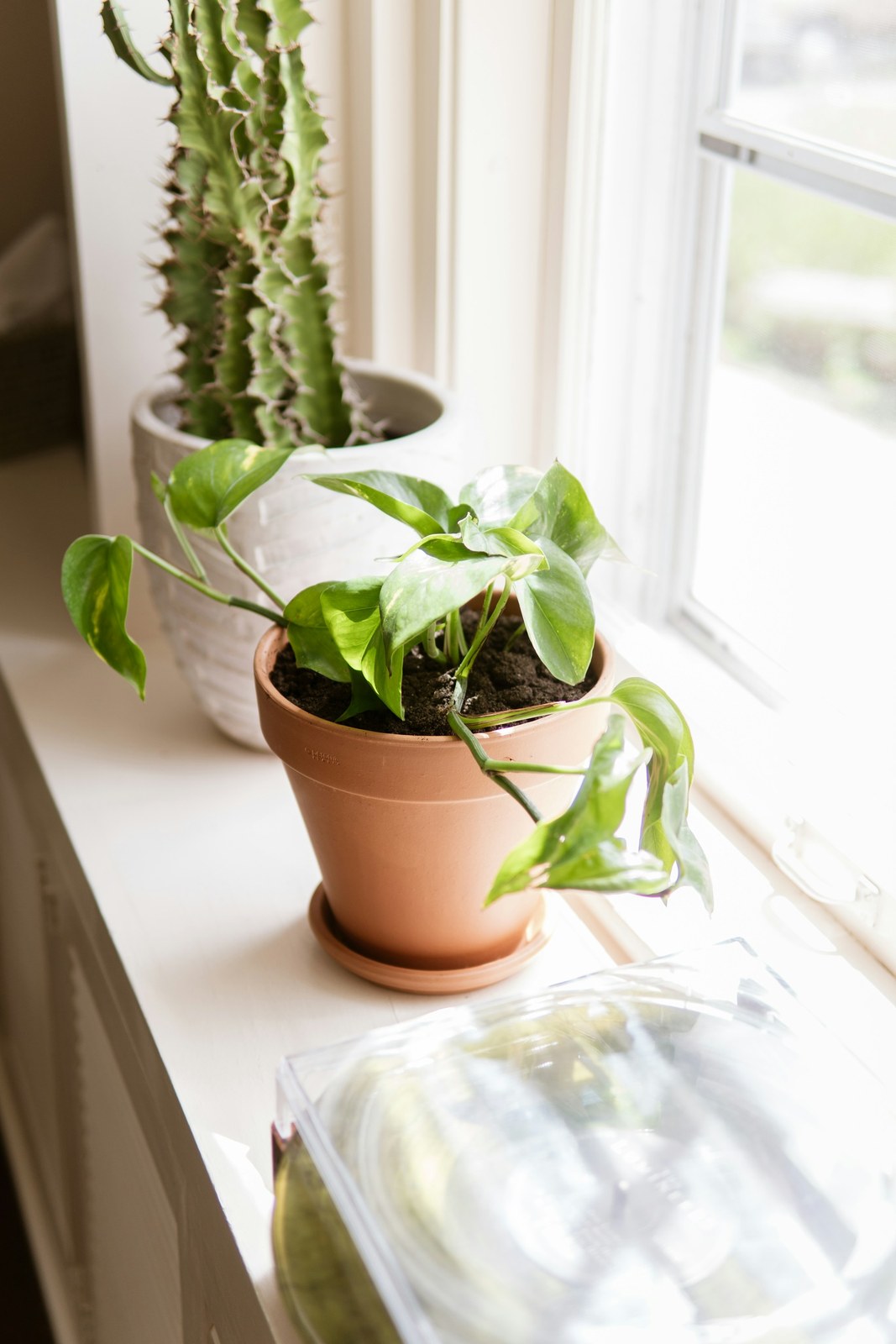
Pick the plant for the light, temperature, and humidity you can already offer. Royal Horticultural Society guidance says to read the label (or look the plant up) and confirm those needs before you pay. Easy-care foliage forgives the odd miss, so start there while you build habits. Choose plants that look balanced and alert. Skip spotted leaves and plants that wilt while the compost is still wet. Cover the plant on a cold ride home.
| Room vibe | Beginner plants | Advice |
|---|---|---|
| Bright window, strong sun | Snake plant, ZZ plant, pothos | Set pots back from hot glass if leaves feel warm midday |
| Bright, no harsh midday blast | Pothos, spider plant, philodendron, peperomia | A sill or stand a few feet from the glass usually works |
| Lower light, still daylight | Snake plant, ZZ plant, cast iron plant, pothos | Keep plants near the brightest wall; skip windowless rooms |
| Humid bathroom with a window | Pothos, spider plant, peperomia | Match humidity-loving plants to a bathroom that still gets daylight from a window |
How do I water without a rigid schedule?
Treat watering as a check based on the soil in front of you. University of Maryland Extension advises testing the soil with your finger to a depth of about two inches and lifting the pot to feel its weight, because a pot with dry mix weighs much less. Dry and loose usually means water. Cool soil that clings to your finger usually means wait. When you do water, soak until runoff leaves the drainage holes, then empty the saucer. Light, pot size, and season all change how fast the mix dries. Decide from the soil in front of you.
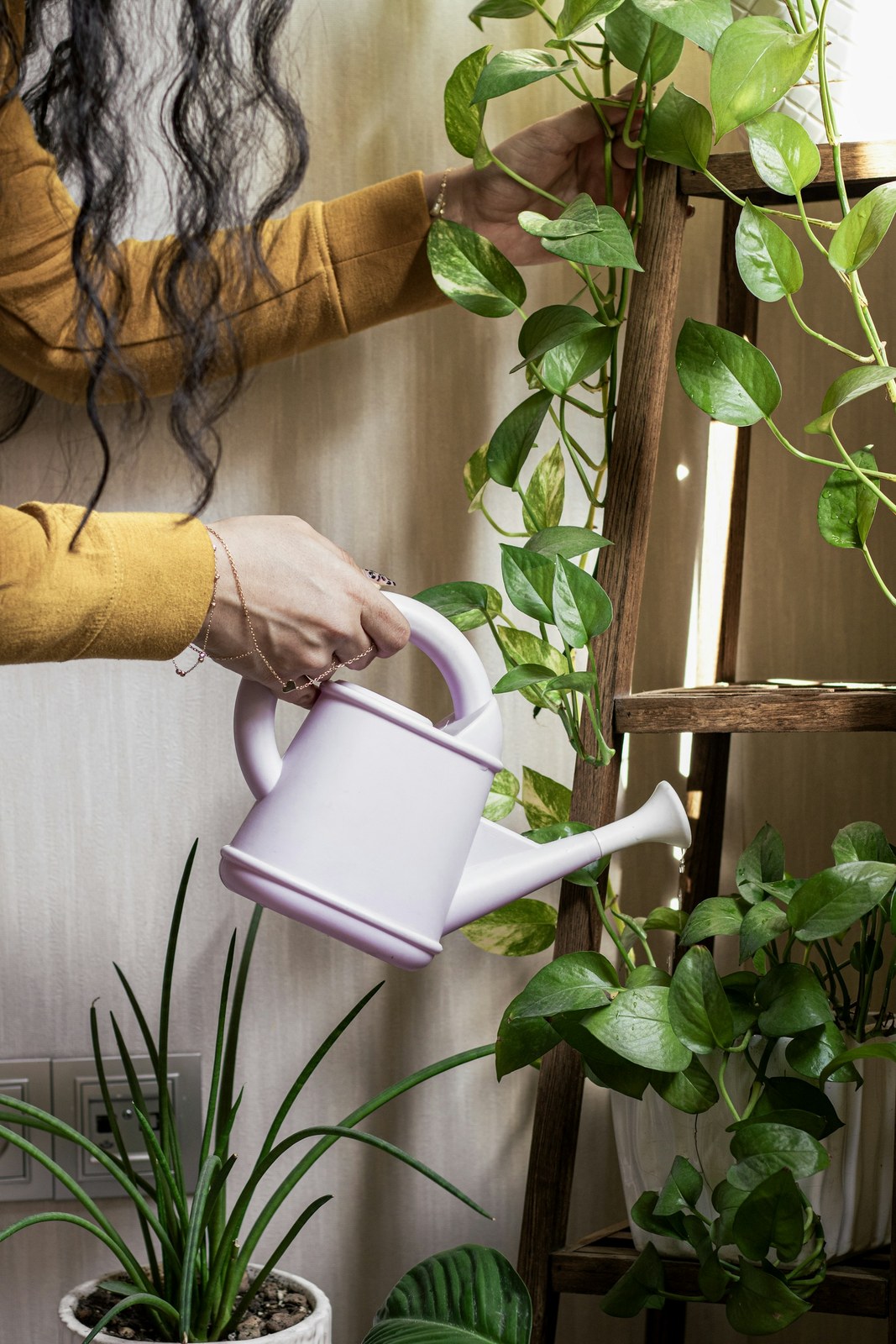
In Grove, the watering task is that check: does this plant need water today. No watering task on today’s list means do not water.
How do I match light to the plant?
Research what your plant wants: full sun, bright indirect light, or shade. The Royal Horticultural Society notes that flowering types often need more light than foliage plants. Winter daylight is weaker, so many plants can sit closer to the window then. Strong summer sun through glass can scorch soft leaves. Easy-care plants still need real daylight. A fully dark room will not keep them healthy. Pale stretch toward the window with fine soil moisture often points to light, so move spots slowly and watch how the plant responds.
Why does drainage matter so much?
Use pots with real drainage holes and a well-draining potting mix made for containers. Garden soil stays too dense indoors. Empty saucers after watering so roots do not sit in runoff. The Royal Horticultural Society and University of Minnesota Extension both stress this. Skip a gravel layer under the mix. Gravel often holds a wet zone above the stones, and water still fails to drain cleanly. Good drainage is why soil checks work. The mix can dry between drinks when water can leave the pot.
Should I quarantine a new plant?
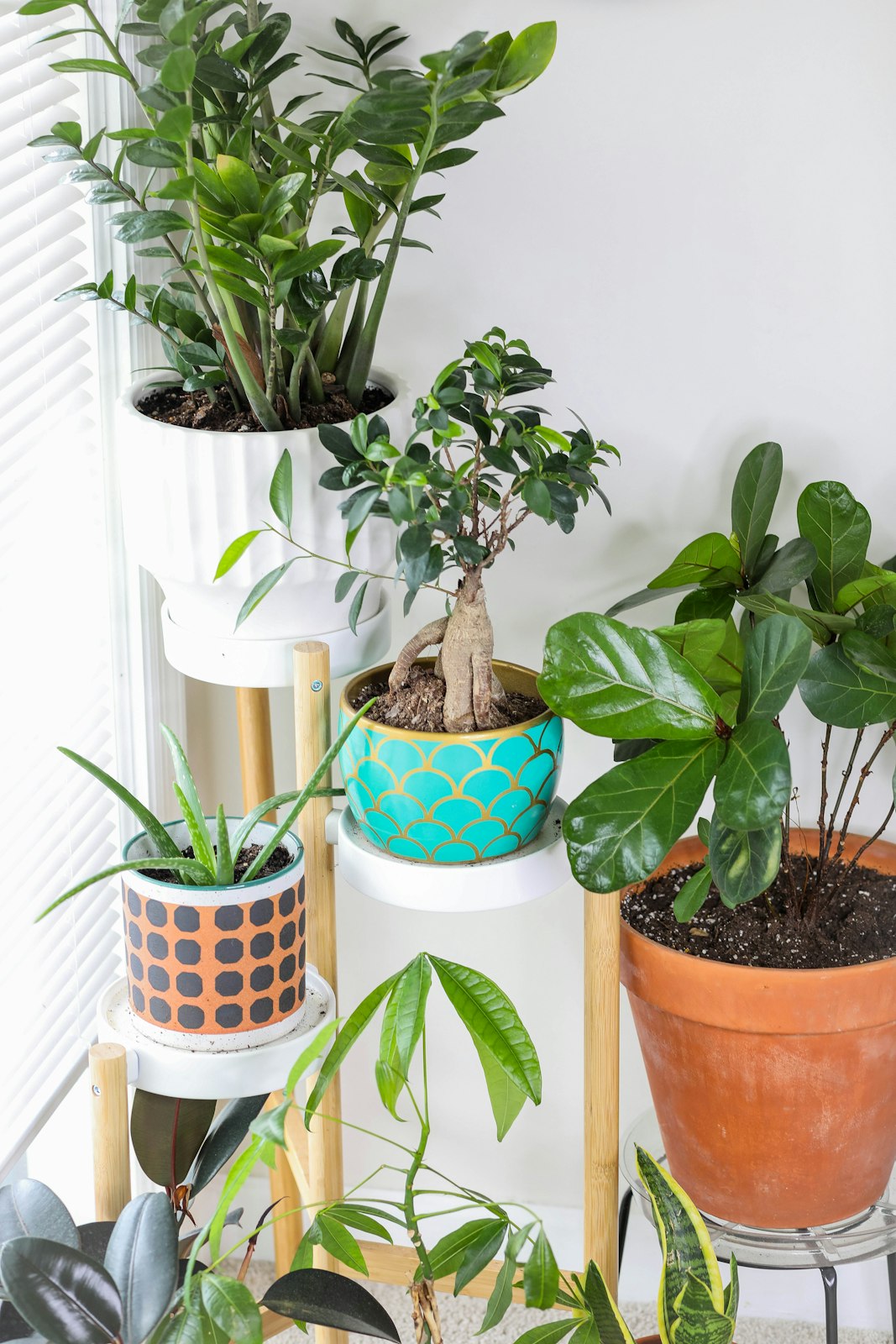
Yes, quarantine helps when you already keep other plants. Colorado State University Extension notes that many pest problems arrive on new purchases or gifts. Hold new plants in a separate area for at least three weeks. Check leaf undersides, stems, and the soil line before they join the shelf. Quarantine is about pests. Keep the same soil-first watering and light match while you wait so the plant stays healthy during isolation.
What if something already looks wrong?
Use the symptom pages when something looks off. One yellow leaf is only a starting clue.
- Soft yellow leaves with wet soil: start with Overwatering, then Root rot if roots look mushy
- Yellow leaves with mixed clues: Yellow leaves
- Tiny flies lifting off damp soil: Fungus gnats
Those guides go deep. This page stays on the umbrella habits that help you avoid those problems.
What beginner habits actually stick?
These habits stick because each one blocks a common failure mode. Soil checks stop calendar overwatering. Light matching prevents pale, leggy decline. Drainage holes and empty saucers keep roots from drowning and cut fungus gnat pressure. Quarantine blocks hitchhiking pests. Starting with healthy, easy-care plants builds confidence before you try harder species. Get light, water, and drainage steady first. Feeding can wait until the plant is settled and growing.
| Habit | Why it helps |
|---|---|
| Check soil before every drink | Stops calendar overwatering |
| Match plant to real light | Prevents pale, leggy decline |
| Use pots with drainage holes | Keeps roots from drowning |
| Empty saucers after watering | Cuts wet-foot stress and fungus gnats |
| Quarantine new plants about 3 weeks | Blocks hitchhiking pests |
| Buy healthy, easy-care first | Builds confidence before hard plants |
Week-one checklist:
- Confirm the plant’s light preference and place the plant there
- Learn one soil check (finger or pot weight)
- Confirm drainage holes and a dumpable saucer
- Note the plant’s name for later lookups
- Isolate the new plant from other plants if you already keep any
Sources
- Royal Horticultural Society, How to grow houseplants
- Royal Horticultural Society, Choosing the best houseplants
- Royal Horticultural Society, Easy care houseplants
- University of Maryland Extension, Watering Indoor Plants
- University of Minnesota Extension, Spring houseplant care
- Colorado State University Extension, Managing Houseplant Pests