Plant myths, checked against research
We love houseplants, and we love the real good they do: brighter moods, calmer rooms, and a pleasant little ritual of care. Over the years, plants have also picked up a few tall tales that get passed from one windowsill to the next. Some of those claims are just that, myths, and we'd rather be honest with you about them. Below are five we hear often, each checked against university, botanical garden, or peer-reviewed sources. For the good things plants really do, see What plants do.
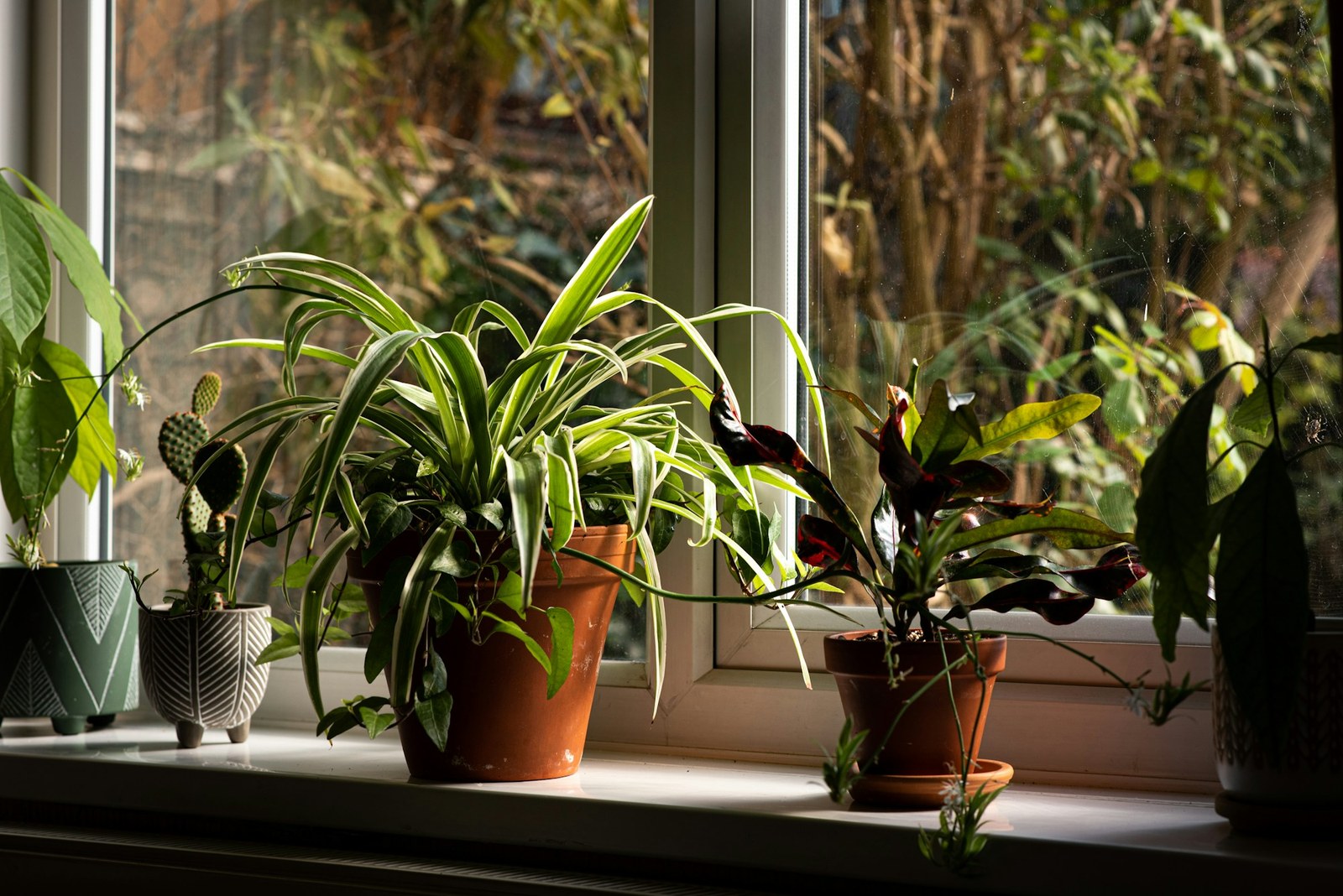
Do houseplants purify the air like a filter?
The 1989 NASA Clean Air Study showed plants can remove some volatile organic compounds in sealed test chambers. A home with normal air exchange is a different setting. Building air exchange dilutes indoor pollutants much faster than a few houseplants can. Cummings & Waring, 2020 found you would need on the order of 10 to 1,000 plants per square meter to match typical ventilation. The American Lung Association concludes houseplants are not an effective air-cleaning strategy for real rooms. Keep plants for reasons that hold up; see What plants do.
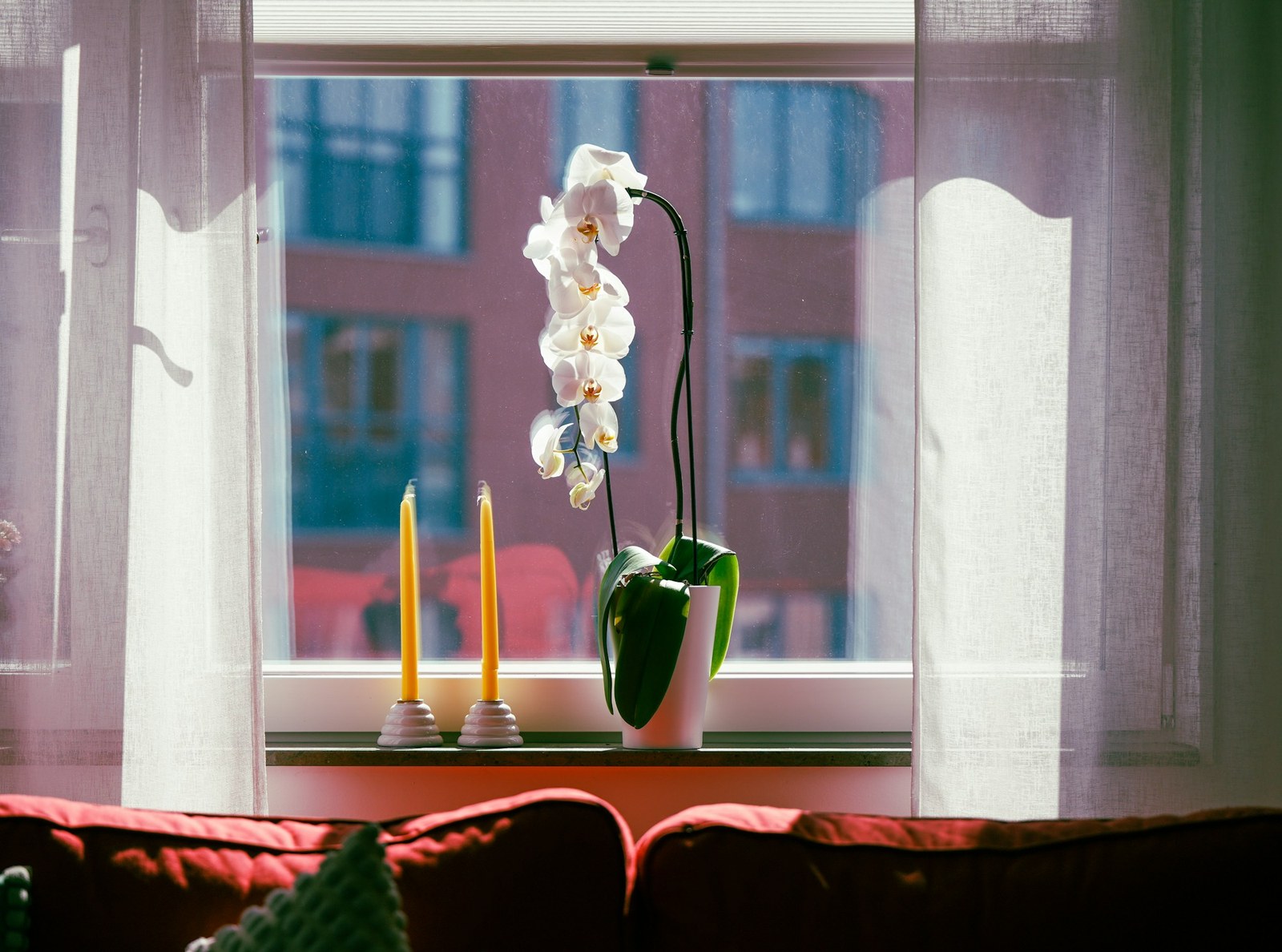
Are ice cubes a good way to water orchids?
Store tags sometimes recommend three ice cubes a week for moth orchids (Phalaenopsis). Missouri Botanical Garden calls that a poor practice for tropical orchids kept indoors. Cold water can stress roots, and a few cubes often fail to wet the whole mix. Prefer room-temperature water run through the pot until the medium is soaked, then empty the saucer. In Grove, treat watering as a check: does this plant need water today.
Source: Missouri Botanical Garden FAQ
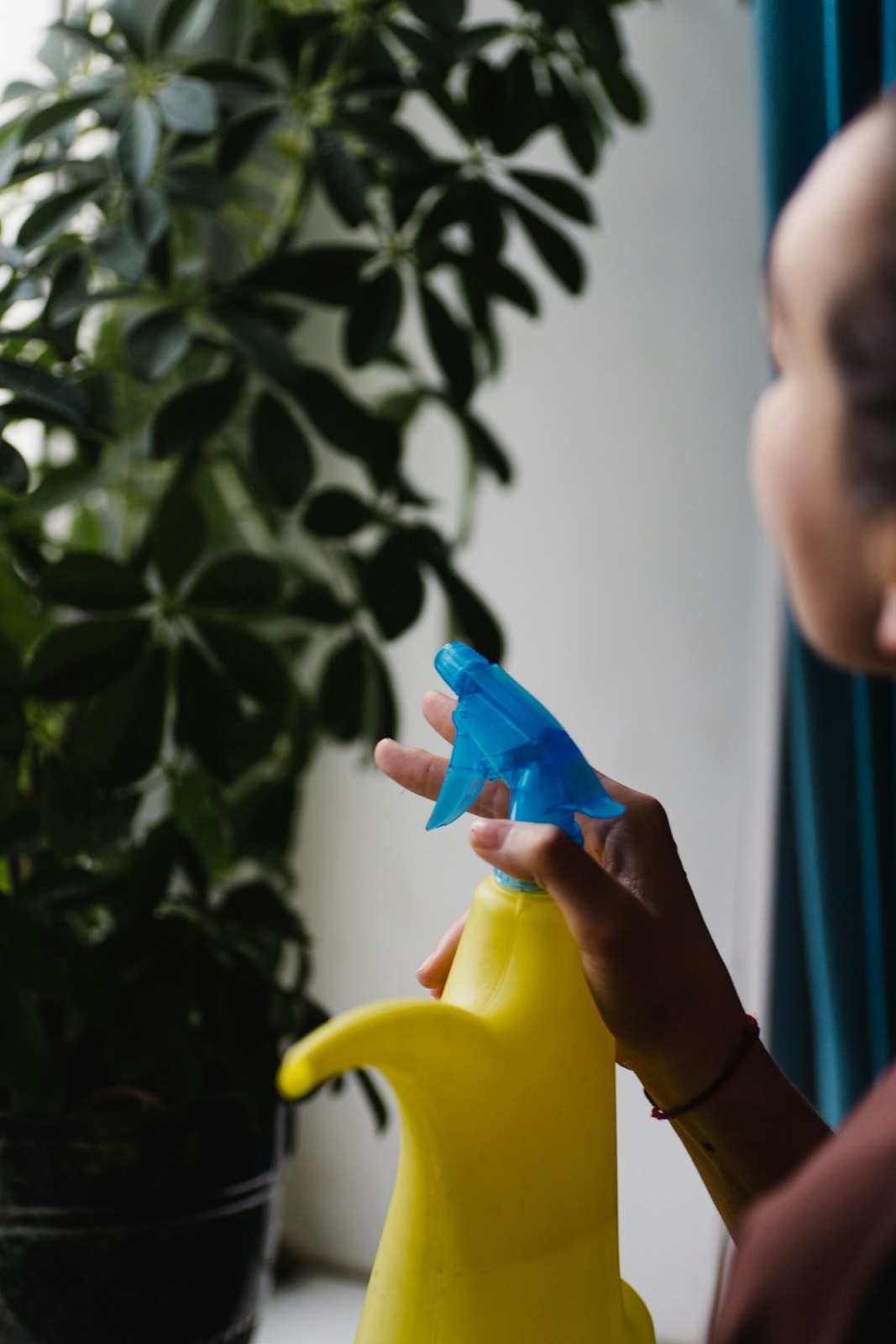
Does misting raise humidity enough for tropicals?
Occasional misting wets leaf surfaces briefly. That brief wetness does not hold room humidity at levels many tropicals prefer. University of Maryland Extension notes that whether misting really increases humidity is questionable. Nebraska Extension adds that lasting change would require misting every few minutes, and wet leaves overnight favor leaf-spot disease. Prefer a room humidifier, grouping plants, pebble trays with the pot above the water line, or species that tolerate your home's normal humidity.
Source: University of Maryland Extension; Nebraska Extension
Do yellow leaves always mean the plant needs water?
Yellow leaves are a stress signal. University of Maryland Extension lists overwatering as the top reason indoor plants fail, and yellowing is often first. Missouri Botanical Garden notes the same symptom can mean too much water or too little. Soft yellow next to a heavy wet pot leans toward excess moisture. Crispy yellow next to a light dry pot leans toward drought. Check soil before you water. In Grove, a watering task is that check.
Source: University of Maryland Extension; Missouri Botanical Garden
Is a bigger pot always better?
Jumping a small plant into a much larger pot leaves unused mix that stays wet longer than the roots can use. Soggy volume raises rot risk. The Royal Horticultural Society advises potting only about 1-2 inches (2.5-5 cm) wider than the current pot. Missouri Botanical Garden gives the same rule of thumb relative to the root ball. When you size up, use fresh mix, drainage holes, and water carefully until new roots fill the extra volume.
Source: Royal Horticultural Society on overpotting; Missouri Botanical Garden
How does this page sit next to What plants do?
Read this article when you want a myth checked against research. Read What plants do when you want the honest case for living with plants day to day.
Sources
- Interior Landscape Plants for Indoor Air Pollution Abatement (NASA-TM-101766 / Clean Air Study) : Wolverton et al., NASA, 1989
- Actually, Houseplants Don't Clean the Air : American Lung Association
- Potted plants do not improve indoor air quality: a review and analysis of reported VOC removal efficiencies : Cummings & Waring, Journal of Exposure Science & Environmental Epidemiology (2020)
- Should I water my orchid plant with ice cubes? : Missouri Botanical Garden
- Temperature and Humidity for Indoor Plants : University of Maryland Extension
- Success with Houseplants: Humidity : Nebraska Extension
- Yellowing Leaves on Indoor Plants : University of Maryland Extension
- How to Water Indoor Plants : Missouri Botanical Garden
- Overpotting : Royal Horticultural Society