Thinking about purchasing your first bonsai?
A bonsai is a real tree or shrub kept small in a shallow pot, and many of the trees sold as bonsai are outdoor trees that need sun, wind and a cold winter. Start with where the tree will live, and the rest of the choice gets much easier. This guide walks through picking a tree that fits your space, the daily water check a small pot asks for, and what feeding, pruning and winter care involve.
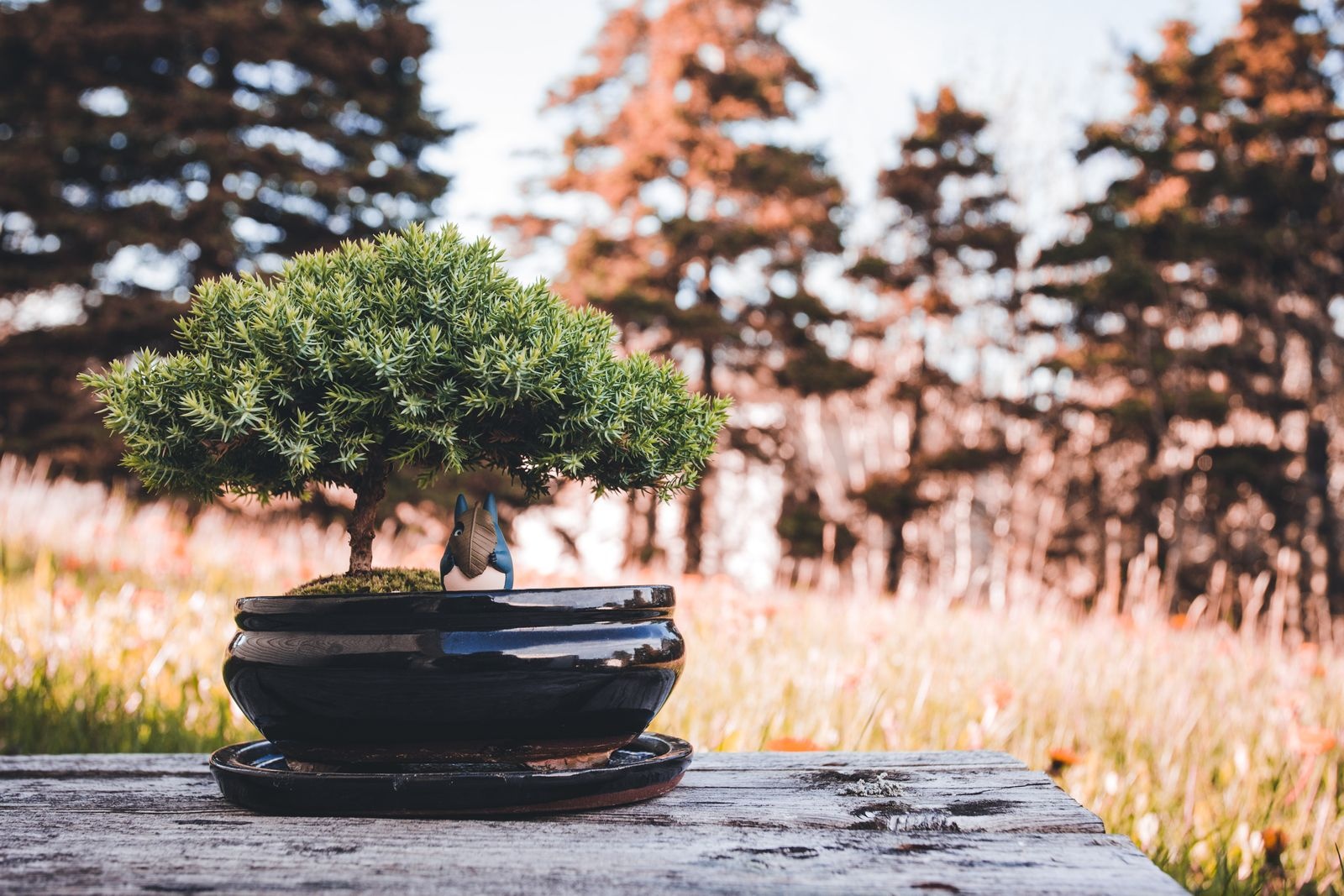
What is a bonsai, really?
Virginia Cooperative Extension at Virginia Tech describes a bonsai as literally a "tree in a pot," shaped to look like an old tree in miniature. The word names a set of techniques that almost any woody plant can undergo. The University of Michigan Matthaei Botanical Gardens explains that bonsai is a Japanese word meaning a tree planted in a pot, and that almost any woody plant can become a bonsai when designed and cared for properly.
Leaves get smaller the longer a tree grows in a shallow container, so species with naturally small leaves or needles look most convincing. Junipers, pines, maples, elms and ficus are all common choices.
The Royal Horticultural Society (RHS) rates bonsai as moderate to difficult and notes that they need attention all year. That is worth knowing before you buy.
Does a bonsai live indoors or outdoors?
This is the single most important question, and the label on a gift bonsai often skips past the answer. Virginia Tech Extension says bonsai made from forest trees must live outdoors, coming inside only for two or three hours at a time for viewing. The Missouri Botanical Garden lists maples, pines, junipers and boxwoods as hardy outdoor plants and says that growing one indoors will most likely fail unless you can copy outdoor conditions.
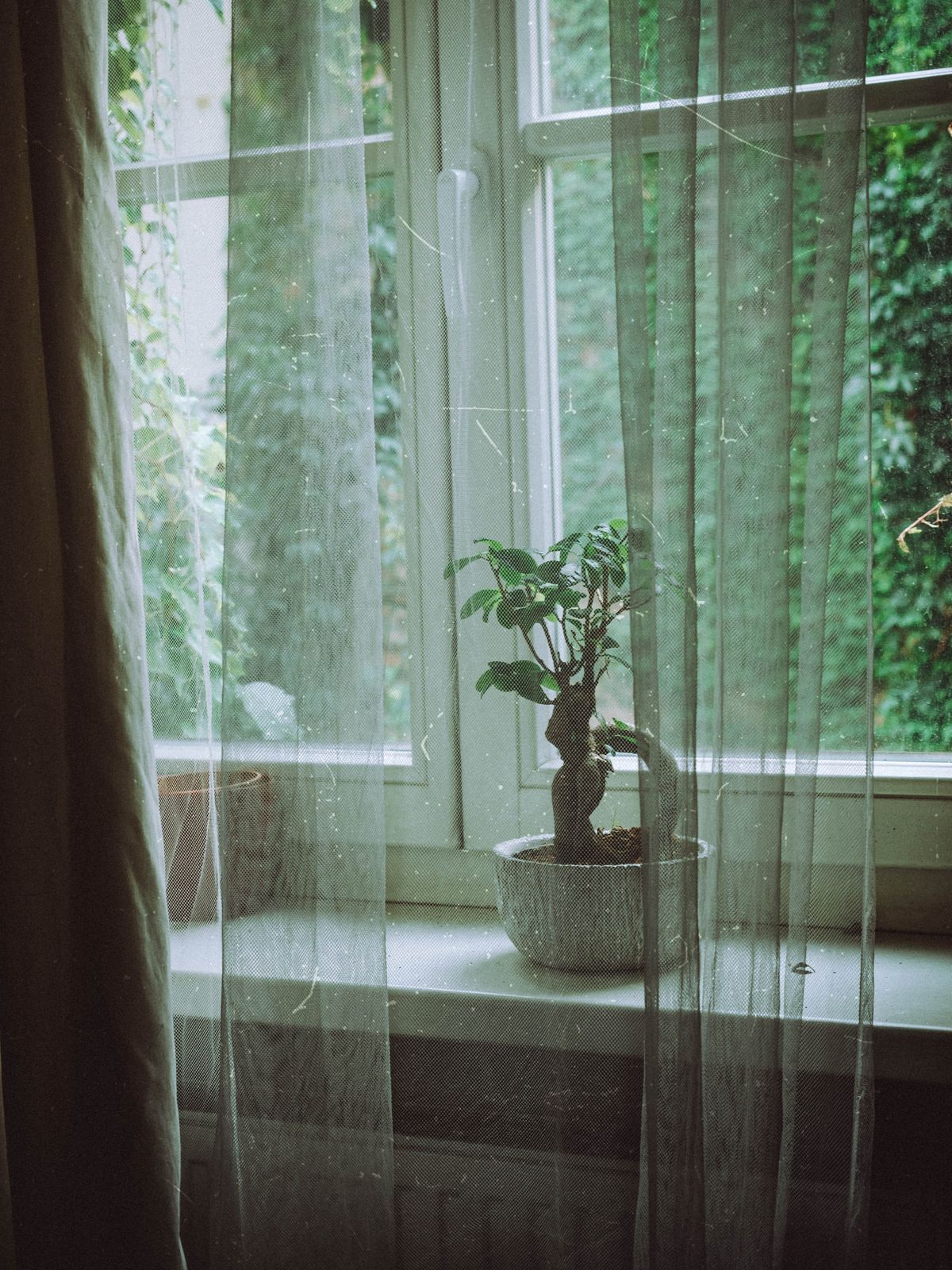
Indoor bonsai are a different group. The RHS describes them as tropical or semi-tropical species that need lots of light, a steady temperature and humidity. They are cared for much like houseplants, and many enjoy a summer outdoors once nights are warm. The RHS names Chinese elm, silver jade (Crassula arborescens), weeping fig and olive among the plants often used. Matthaei calls ficus one of the easiest indoor bonsai and adds dwarf jade (Portulacaria afra), Fukien tea and dwarf umbrella tree.
| Group | Examples | Where it lives |
|---|---|---|
| Outdoor (hardy) | Juniper, pine, maple, boxwood | Outside all year, with brief indoor visits |
| Indoor (tropical) | Ficus, dwarf jade, Fukien tea, dwarf umbrella tree | A bright room, often outdoors in warm months |
A juniper sold as a desk gift is still an outdoor tree.
Which bonsai is easiest for a first try?
The Matthaei Botanical Gardens names ficus as one of the easiest indoor bonsai because it tolerates lower light and humidity than many tropical species. Dwarf jade, Fukien tea and dwarf umbrella tree are other popular indoor choices. The RHS adds Chinese elm, silver jade plant, weeping fig and olive to the indoor list.
If you have outdoor space, Virginia Tech Extension suggests starting with common plants that do well in your area. Nursery stock is a good start because its roots are already used to a container. A local bonsai nursery or club can tell you which trees handle your winters.
Light matters as much as species. Missouri Botanical Garden suggests a south or east facing window for most indoor bonsai, and Matthaei notes that a grow light is often needed indoors. Our guide to choosing your first plant explains how to read the light in your home.
How do I know when my bonsai needs water?
A small pot holds very little water. The RHS notes that bonsai mix dries quickly in warm, windy weather, and that the aim is to keep it just moist. Matthaei puts the routine simply: check the bonsai daily, and water only when it needs water.
To check, look and feel. The surface of the mix lightens as it dries, and the pot feels lighter in your hand. When the top of the mix is starting to dry, water gently until water runs from the drainage holes. Missouri Botanical Garden suggests a fine spray so the soil stays in the pot.
Keep checking in winter. The RHS warns that a dry week in winter can catch you out. On the other side, Virginia Tech Extension says more bonsai are killed by overwatering than by drying out. The check protects you from both. Our overwatering guide walks through the same check for potted plants.
What soil and pot does a bonsai need?
Virginia Tech Extension describes bonsai mixes of clay, pumice and lava particles of even size, with screening over large drainage holes so the mix stays put. The RHS offers a simple home mix of peat-free potting compost, grit and a loam-based compost.
Many trees spend a few seasons in a larger training pot before moving to a shallow bonsai pot. That gives the roots time to become fine and fibrous. The RHS suggests repotting and root pruning every two or three years for many trees, in spring before new growth starts. A mix that stays soggy can lead to root rot, which is another reason drainage comes first.
How and when should I feed a bonsai?
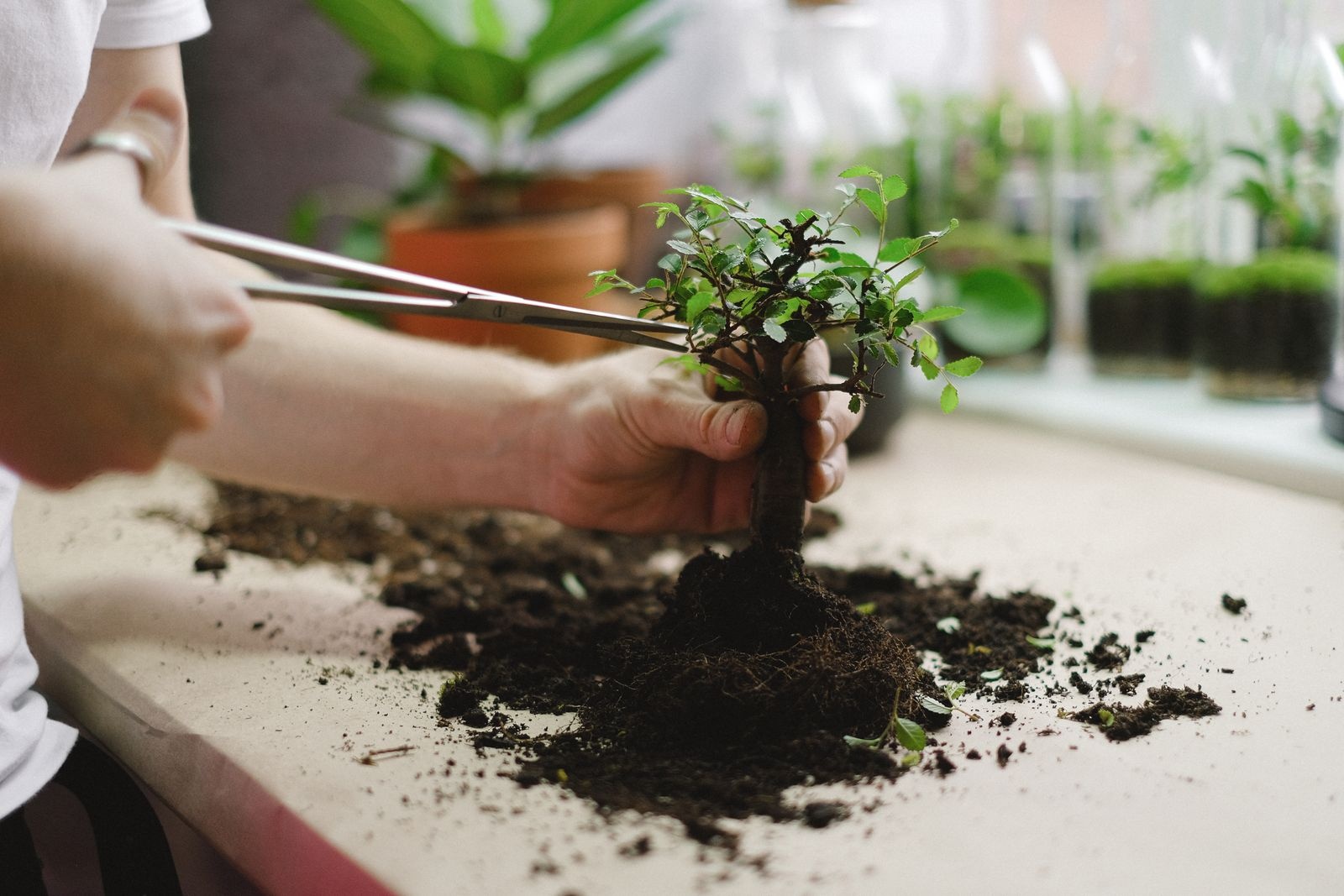
Virginia Tech Extension recommends a houseplant fertilizer diluted to one quarter to one half strength, used before and during active growth. The RHS suggests a balanced liquid feed at a low dose through the growing season and warns that overfeeding leads to growth prone to pests and disease.
Fertilizer bags show three numbers. They stand for nitrogen, phosphorus and potassium, in that order. A balanced feed has similar numbers, such as 20-20-20, which Missouri Botanical Garden mentions for bonsai.
What does pruning and wiring involve?
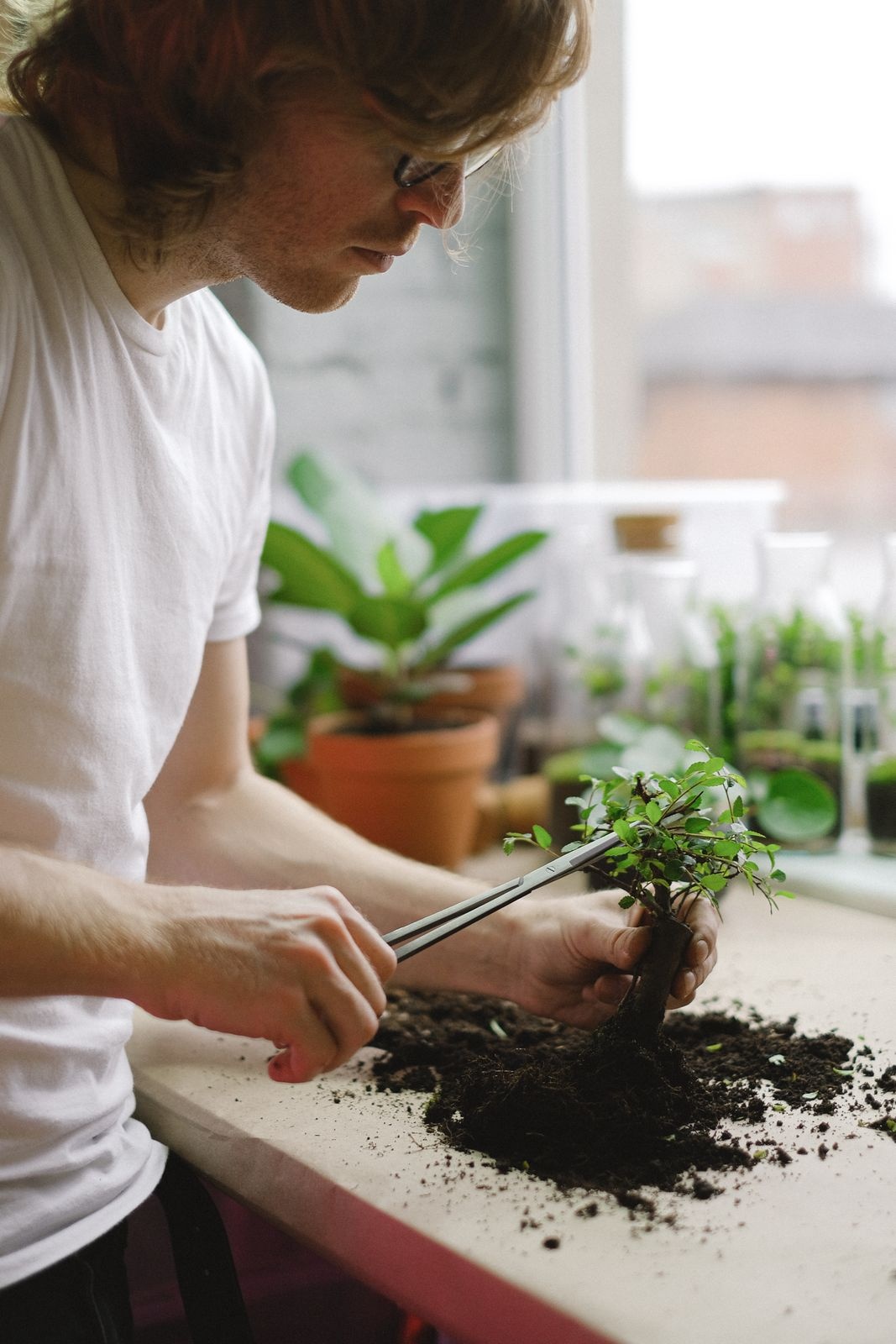
Bonsai are shaped by pruning, wiring and pinching, according to Virginia Tech Extension. Pruning and wiring set the structure, and pinching back soft new growth makes branches bushier. Pruning is less stressful for the tree than wiring, and wire should stay on for no more than one growing season.
Timing depends on the tree. The RHS suggests major work on deciduous trees from late winter to early spring, and major work on most evergreens in autumn or winter. Start small. A few careful trims in your first year teach you how your tree responds.
What happens to an outdoor bonsai in winter?
Hardy trees use winter to rest. Virginia Tech Extension advises protecting bonsai in a cold frame, greenhouse or similar shelter once temperatures drop below 28°F (about minus 2°C), while keeping them cool enough to stay dormant. Slow growth in fall by easing off on water and stopping fertilizer.
Winter trees still need the water check, though the answer is yes much less often. Virginia Tech Extension reminds growers to keep watering trees inside a cold frame.
Is a bonsai a good first plant for me?
A bonsai suits you if you like a short daily check, have the right light or outdoor space for your tree, and enjoy slow, steady progress. A well-matched tree can live a very long time: Virginia Tech Extension points visitors to the National Arboretum, where some bonsai on display are hundreds of years old.
If that sounds like a lot right now, start with one of our beginner plants that still look good and come back to bonsai later. If you like the idea of a small living sculpture with a gentler learning curve, kokedama is another lovely option.
How does Grove handle bonsai?
Grove builds a care plan from the species, how you grow the plant, and whether it lives indoors or outdoors. Bonsai is one of the growing methods you can pick. How you grow a plant changes watering technique and how often you water, feeding, pruning, repotting and the task rhythm. Outdoor plants get latitude-aware seasonality. Feeding names a fertilizer you can shop for and explains the three numbers on the bag. When a watering task appears, it is a check: does this plant need water today.
Sources
- The Art of Bonsai : Virginia Cooperative Extension, Virginia Tech (revised March 2026)
- Bonsai: growing miniature trees : Royal Horticultural Society
- How do I care for a bonsai plant? : Missouri Botanical Garden
- Horticulture at Home: Growing Bonsai Inside : University of Michigan Matthaei Botanical Gardens and Nichols Arboretum (January 2026)