The beauty of kokedama and how to care for a moss ball
A kokedama is a plant growing in a ball of soil wrapped in moss and string, and it turns an ordinary houseplant into a small living sculpture. Moss balls dry faster than pots, so the care comes down to one easy check: lift the ball and feel its weight. This guide covers good plants for a first ball, what you need to make one, and how to water, feed and refresh the ball.
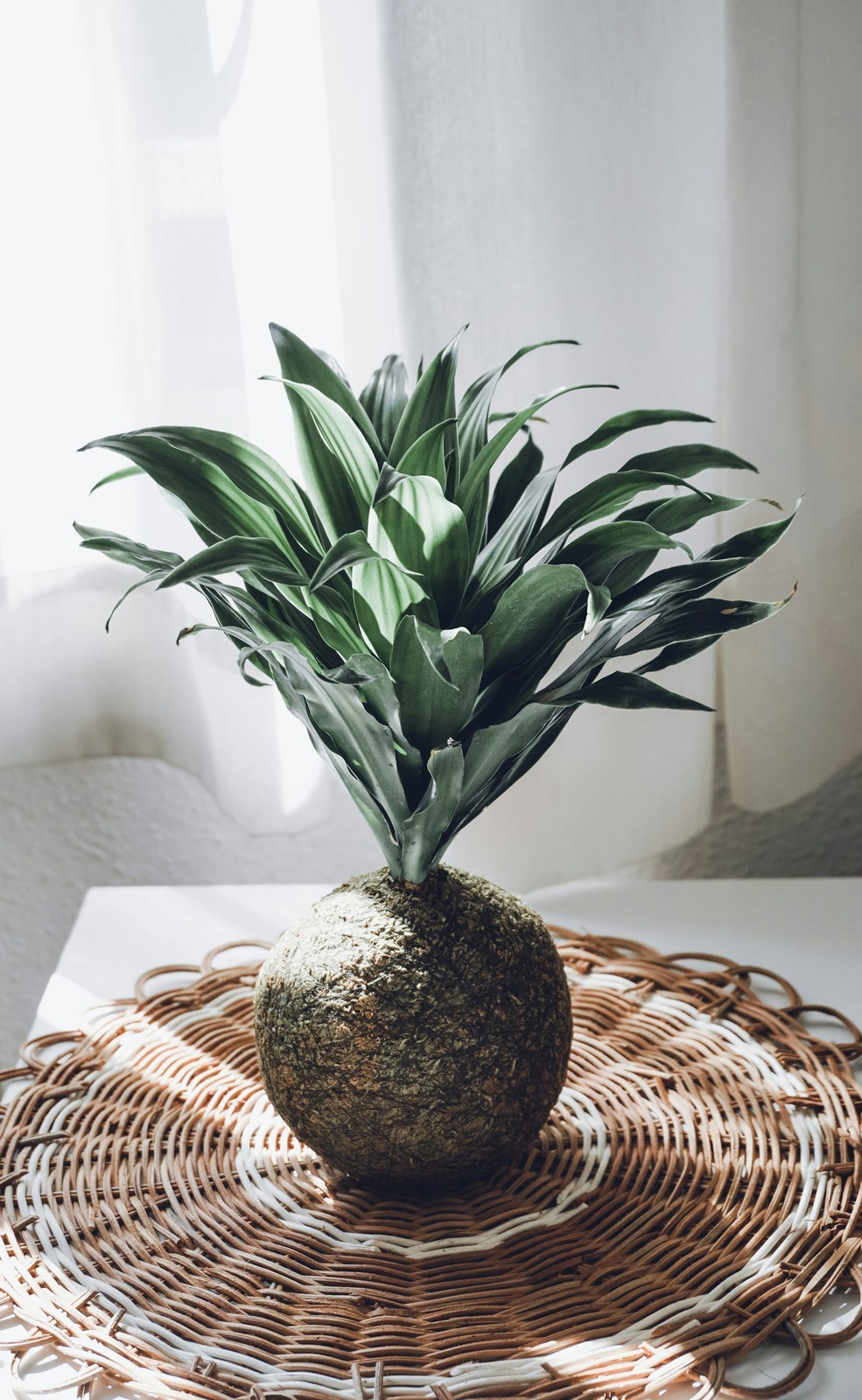
What is a kokedama?
The Missouri Botanical Garden describes kokedama as the Japanese art of growing plants in a moss-covered ball of soil wrapped with string or monofilament fishing line. The Royal Horticultural Society (RHS) calls it a type of Japanese hanging bonsai and suggests it as a fun afternoon project.
There is no pot, so the moss ball is both container and display. You can rest one on a shallow dish, set it on a small stand or hang it on a string where the plant gets the light it likes.
Which plants work well as kokedama?
Missouri Botanical Garden suggests choosing plants with small root systems or slow growth. Its list is grouped by light:
| Light | Plants |
|---|---|
| Shade to bright indirect | Pothos, philodendron, ferns, peperomia, begonia, prayer plant, creeping fig |
| Part sun to full sun | Kalanchoe, aloe, string of beads, wax plant, basil, thyme |
University of Illinois Extension adds dracaena, spider plants and even small orchids, and notes that succulents work too and need less water. If you are new to plants, our list of beginner plants that still look good includes several that make lovely first balls.
What do I need to make one?
Missouri Botanical Garden lists potting soil, peat moss, sphagnum sheet moss, waxed string or fishing line, scissors, a bowl and gloves. University of Illinois Extension uses a mix of about 70% potting mix or peat moss and 30% akadama, a clay-like bonsai soil.
The basic steps:
- Dampen the soil until it holds together when pressed firmly
- Shape a firm ball; Missouri Botanical Garden suggests tossing it in the air a few times to make sure it holds
- Remove the plant from its pot, shake off old soil and set the roots in the center of the ball
- Wrap the ball in damp moss and tie it in place with string, wrapping in all directions
- Leave a long tail of string at the top if you want to hang the ball
String choice matters. The Brooklyn Botanic Garden recommends waxed thread or another durable cord and advises avoiding cotton, jute or hemp, which tend to break down after repeated waterings.
How do I know when my kokedama needs water?
University of Illinois Extension gives two easy signals. Push a finger into the top of the ball near the base of the plant to feel whether the soil is dry, and notice the weight of the ball. If the ball feels light, water. Missouri Botanical Garden uses the same weight test.
After a few soaks you will learn how heavy a freshly watered ball feels, and the check becomes second nature. Between soaks, Illinois Extension suggests misting the moss to keep it from drying out completely.
How do I water one without a mess?
Fill a bowl, bucket or sink with lukewarm water and gently push the ball under so it starts to absorb water. Sources give different soak times:
- Missouri Botanical Garden: 5 to 10 minutes, or until the ball feels heavy
- University of Illinois Extension: 15 to 20 minutes, fully submerged
- Brooklyn Botanic Garden: 20 to 30 minutes
The common thread is weight. Once the ball feels heavy, lift it out, gently squeeze out extra water, and let it drip dry before it goes back on display. A soggy core for days on end is the same problem as a pot that never drains; our overwatering guide explains why roots need air. Constantly damp moss and soil can also attract fungus gnats.
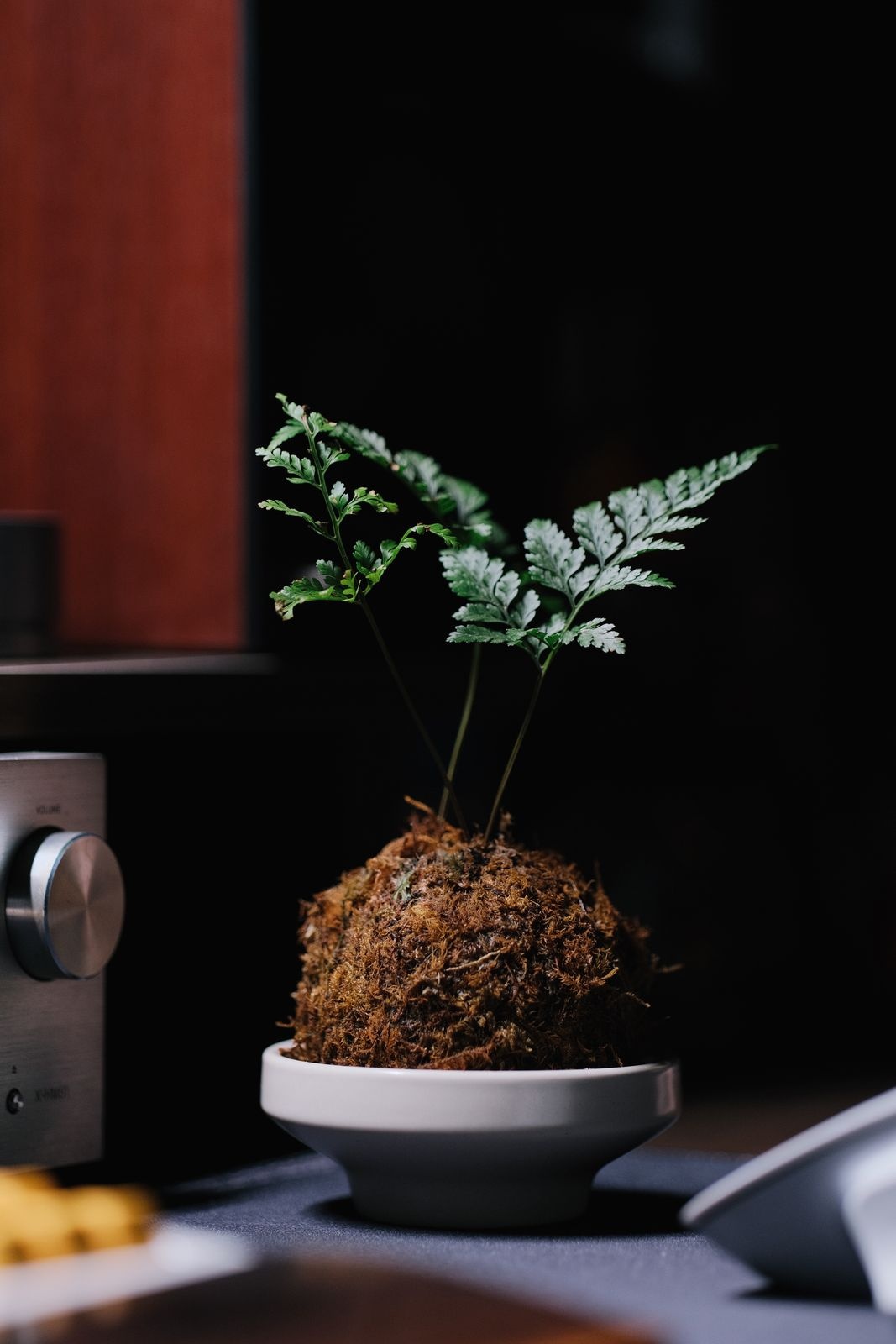
Where should a kokedama live?
University of Illinois Extension says the right light depends on the plant inside, and advises avoiding full sun locations because they dry the moss ball too quickly. Keep the ball away from hot or cold drafts as well. Our guide to choosing your first plant explains how to read the light in each window.
Hanging balls can drip after a soak, so pick a spot where a few drops do no harm or place a tray beneath. Missouri Botanical Garden notes that outdoor kokedama with hardy plants are more challenging because of frequent watering and winter needs, so indoor plants are the easiest start.
How do I feed a kokedama?
The University of Illinois Extension kokedama fact sheet suggests mixing indoor plant fertilizer into the soaking water at half the recommended strength, or adding a slow-release fertilizer to the soil when you make the ball. Missouri Botanical Garden also feeds through the water bowl with a water-soluble fertilizer.
Fertilizer labels list three numbers: nitrogen, phosphorus and potassium. A general houseplant fertilizer at half strength suits most kokedama plants.
What do I do when the plant outgrows its ball?
Missouri Botanical Garden says that if the plant has grown large and looks stressed even with good watering and feeding, it may be time to move to a larger ball. Unwrap the old string, add fresh soil around the root ball, and wrap it again in new moss. Moving the plant into a pot is a perfectly good choice too.
Check the string from time to time as well. Loose or broken string lets the ball slump, and retying keeps everything snug.
Is kokedama right for me?
Kokedama is a joy if you like handling your plants and enjoy the look of a green sphere in the window. It makes a thoughtful gift and a satisfying weekend project. In dry indoor air or a bright spot, expect the ball to need water more often than a pot would.
If you love the idea of a small living sculpture and want a bigger challenge later, read thinking about purchasing your first bonsai.
How does Grove handle kokedama?
Grove builds a care plan from the species, how you grow the plant, and whether it lives indoors or outdoors. Kokedama is one of the methods you can pick. The method changes watering technique and how often you water, feeding, pruning, repotting and the task rhythm. A watering task only shows up when it belongs on today's list, and then it asks one thing: does this plant need water today. You can edit the plan whenever you like.
Sources
- How to Make a Kokedama : Missouri Botanical Garden
- Give houseplants new life with DIY kokedama moss balls : University of Illinois Extension
- Kokedama fact sheet (PDF) : University of Illinois Extension
- DIY Kokedama: Japanese-Style Houseplant Display With Moss Balls : Brooklyn Botanic Garden
- Bonsai: growing miniature trees (kokedama section) : Royal Horticultural Society