Here's what you need to know about hydroponics
Hydroponics grows plants with their roots in water that carries every nutrient they need, and it can give you fresh greens all year on a kitchen counter. The tradeoff is that you take over the job soil usually does, so nutrients, oxygen and light all come from you. Here is how home systems work, what they ask of you, and how to tell whether one fits your home.
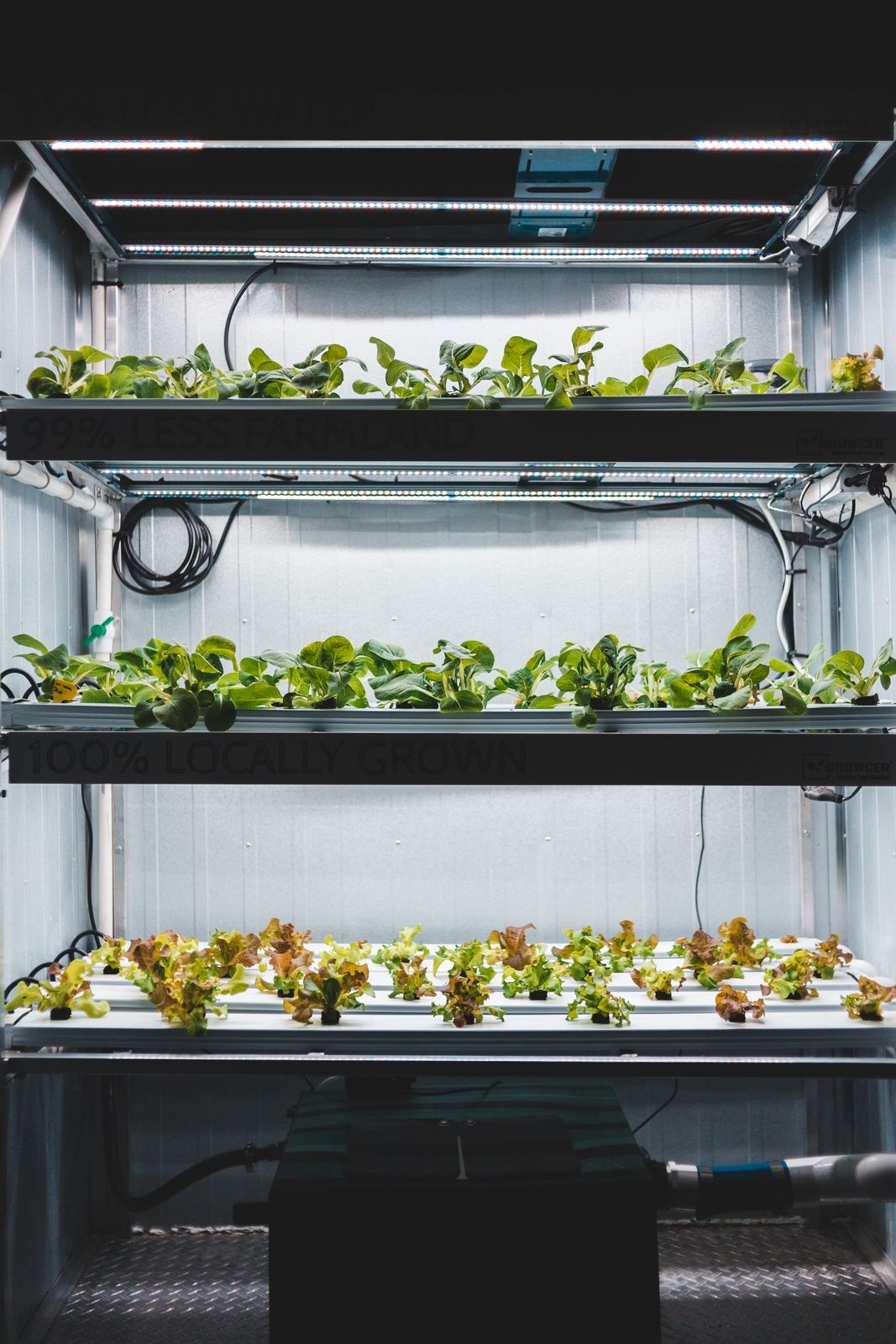
What is hydroponics?
University of New Hampshire (UNH) Extension describes hydroponics as growing plants with water delivering the nutrients that soil would normally hold and release. That simple idea covers a wide range of setups, from a bucket on a balcony to a glowing countertop unit.
Common home systems include:
- Raft or deep water culture: plants sit in holes in a floating raft with roots hanging into the solution
- Nutrient film technique (NFT): a thin stream of solution flows along a channel past the roots and back to a reservoir
- Passive deep water, often called the Kratky method: roots grow down into still solution with an air gap above, and no pump
- Ready-made countertop units with built-in lights and their own fertilizer
University of Minnesota Extension covers the Kratky method in detail, and UNH Extension notes that ready-made units cost more and are easy to set up.
What do plants need in a hydroponic setup?
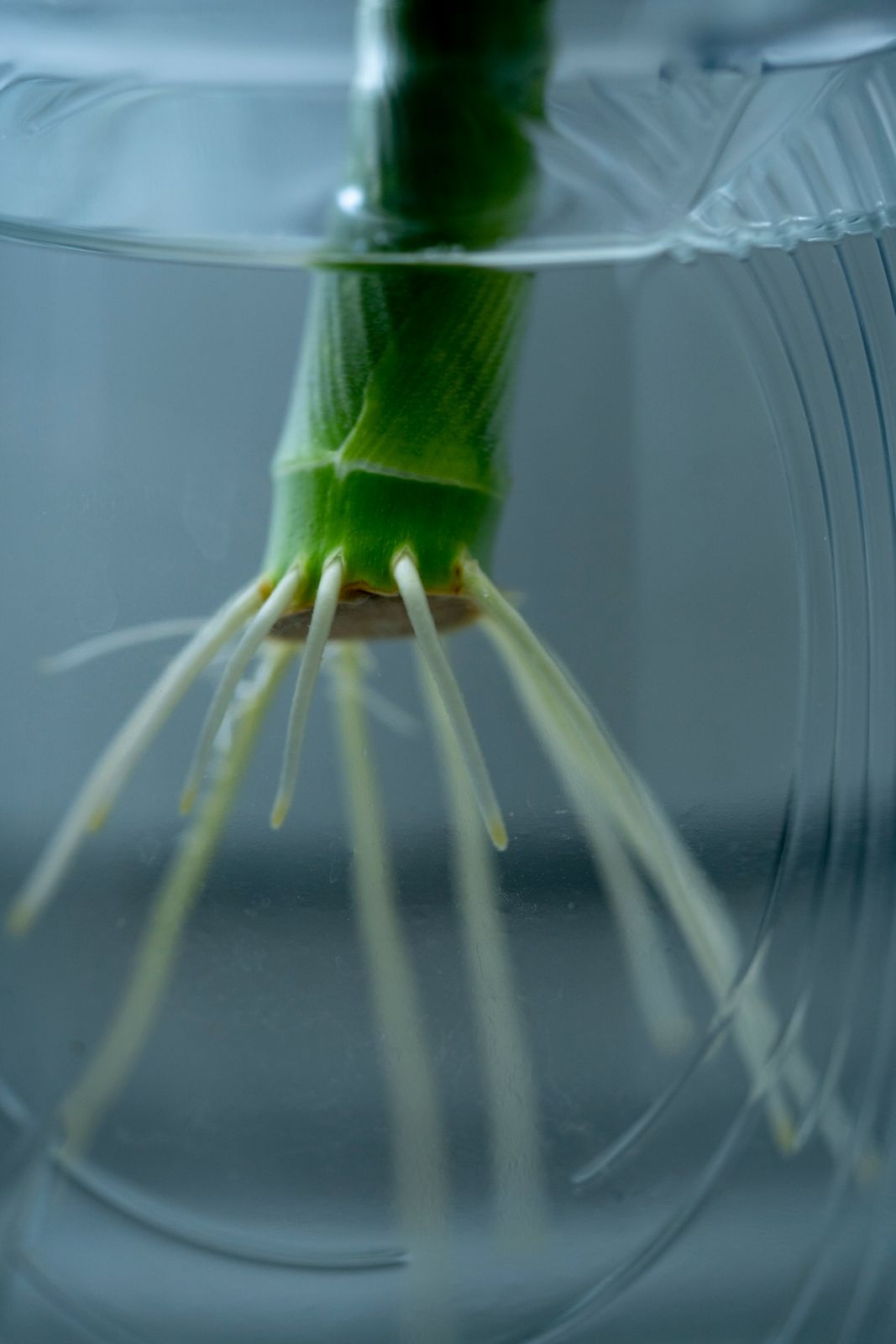
UNH Extension lists five needs every hydroponic system must meet: water, nutrients, light, carbon dioxide and oxygen, and oxygen is the one beginners most often overlook. Roots breathe, and in still water they can run short of oxygen. UNH Extension explains that an "overwatered" plant in soil is really a plant whose roots are short of air, and the same thing happens in a tank.
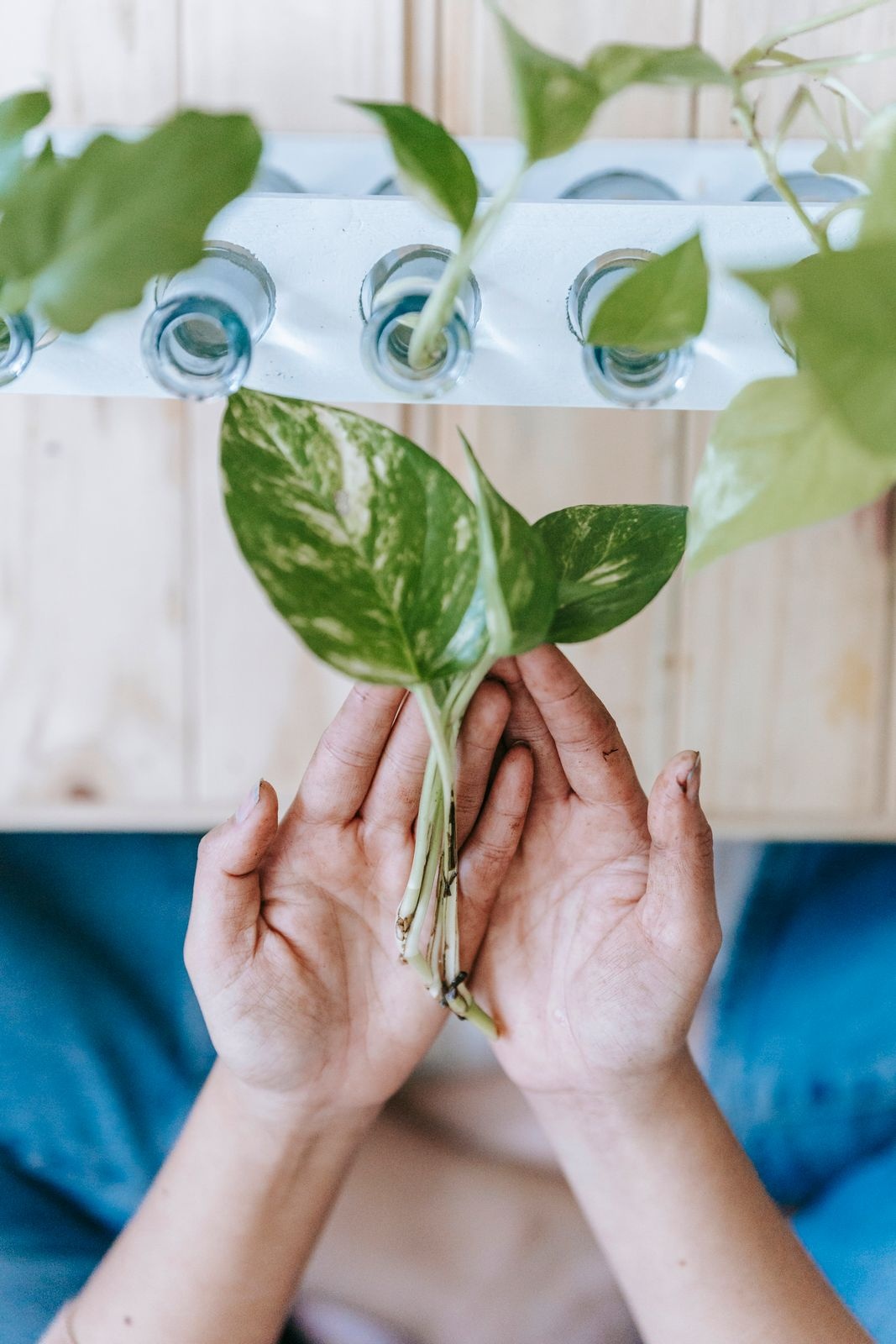
That is why many systems use an aquarium air pump and air stone. In the passive Kratky method, University of Minnesota Extension explains that the air gap above the water supplies oxygen, so once plants are established only one third to one half of the roots should sit under water.
Light is the other big need. UNH Extension notes that even a sunny window gives far less light than outdoors, so most indoor systems need a grow light, especially in winter.
Which plants grow well in home hydroponics?
UNH Extension suggests lettuce, salad greens and some herbs for a sunny window in summer. Fruiting crops such as tomatoes, peppers and cucumbers need much more light, so plan on a strong grow light for those. Microgreens are the easiest of all: the seed carries enough food for the short time they grow, so they need no added fertilizer.
Houseplants can grow in water too. If that is your interest, our pages on semi-hydroponics and keeping plants in water are a better fit than a full hydroponic setup.
How do I feed plants without soil?
Plants need 13 nutrients from their root zone, and in hydroponics all of them come from fertilizer dissolved in water. UNH Extension calls mixing and maintaining this "nutrient solution" the trickiest part of the whole system.
For beginners, UNH Extension suggests a one-part complete fertilizer, the simplest option. Two-part products, often labeled Part A and Part B, keep calcium separate so it does not settle out as solid chunks, and they work out cheaper over time. For leafy greens, pick a formula made for vegetables or for growth.
When the water level drops, top up with mixed nutrient solution. Plain water would slowly dilute the system. Now and then, replace the whole solution, because plants take up nutrients at different rates. Old solution makes good fertilizer for garden beds or lawns; UNH Extension asks growers to keep it out of drains, where it feeds algae in streams and lakes.
Fertilizer labels show three numbers for nitrogen, phosphorus and potassium. In a complete hydroponic fertilizer, those come with the other nutrients plants need too.
Do I need to test pH and electrical conductivity?
pH affects which nutrients a plant can absorb. UNH Extension says a range of 5.5 to 7.0 is fine for home hydroponics, and that fine-tuning beyond that matters more for commercial growers. University of Minnesota Extension suggests testing your tap water first and again after you add fertilizer, since some fertilizers push pH up or down. Inexpensive test strips work for a start.
EC measures how much fertilizer is dissolved in the water. Oklahoma State University Extension explains that EC is a good measure of the salts in a nutrient solution, so a reading shows overall fertilizer strength. UNH Extension says an EC meter can help you decide whether to add nutrients or plain water, and suggests buying one once you have grown for a while.
| Test | What it tells you | When it helps |
|---|---|---|
| pH | How acidic or basic the solution is | At setup and after adding fertilizer |
| EC | Overall fertilizer strength | Once you want finer control |
How do I know when the water needs attention?
Plants pull water up and release it through their leaves, so the level in the system falls. UNH Extension stresses that roots must never dry out and that you will need to watch the water level regularly. A quick look at the reservoir is the hydroponic version of the soil check.
While you are looking, check two more things. Brown or mushy roots are an early sign of trouble, covered below. The solution should stay clear; light reaching nutrient-rich water grows algae, so UNH Extension advises keeping light off the solution wherever possible.
What goes wrong, and how do I spot it early?
Root rot is the big one. UNH Extension notes that organisms such as Pythium and Phytophthora can grow in nutrient solution and infect roots. University of Minnesota Extension found root rots among the most common problems in a survey of hydroponic farms. If plants look stunted, look at the roots. Brown or mushy roots call for better aeration, and a badly infected system needs to be emptied, cleaned and restarted. Our root rot guide shows what healthy and rotting roots look like.
Yellowing is the other early warning. UNH Extension says even yellowing of lower leaves with stunted growth may point to low nitrogen, often because the solution has become too dilute. Our yellow leaves guide helps you read the pattern.
Pests such as aphids and spider mites can still show up indoors. Sometimes the simplest fix is to harvest, clean the system and start fresh.
Is hydroponics right for me?
You will need a container or system, a complete fertilizer, a light for most indoor spots and often an air pump. In return you get quick harvests and a fascinating view of roots at work. UNH Extension notes that home hydroponics can produce greens all year with far less water than a field.
If you mostly want houseplants with less gear, semi-hydroponics may suit you better. If you are new to plants in general, what houseplants actually do for your home is a warm place to start.
How does Grove handle hydroponic plants?
Grove builds a care plan from the species, how you grow the plant, and whether it lives indoors or outdoors. Hydroponic is one of the methods you can pick. The method changes watering technique and how often you water, feeding, pruning, repotting and the task rhythm. Feeding names a fertilizer you can shop for and explains the three numbers on the bag: nitrogen, phosphorus and potassium. If you change how a plant is grown, Grove can rebuild the plan to match.
Sources
- Hydroponics at Home : University of New Hampshire Extension (August 2023)
- Small-scale hydroponics : University of Minnesota Extension
- Electrical Conductivity and pH Guide for Hydroponics : Oklahoma State University Extension