What the heck is semi-hydroponic and is it right for me?
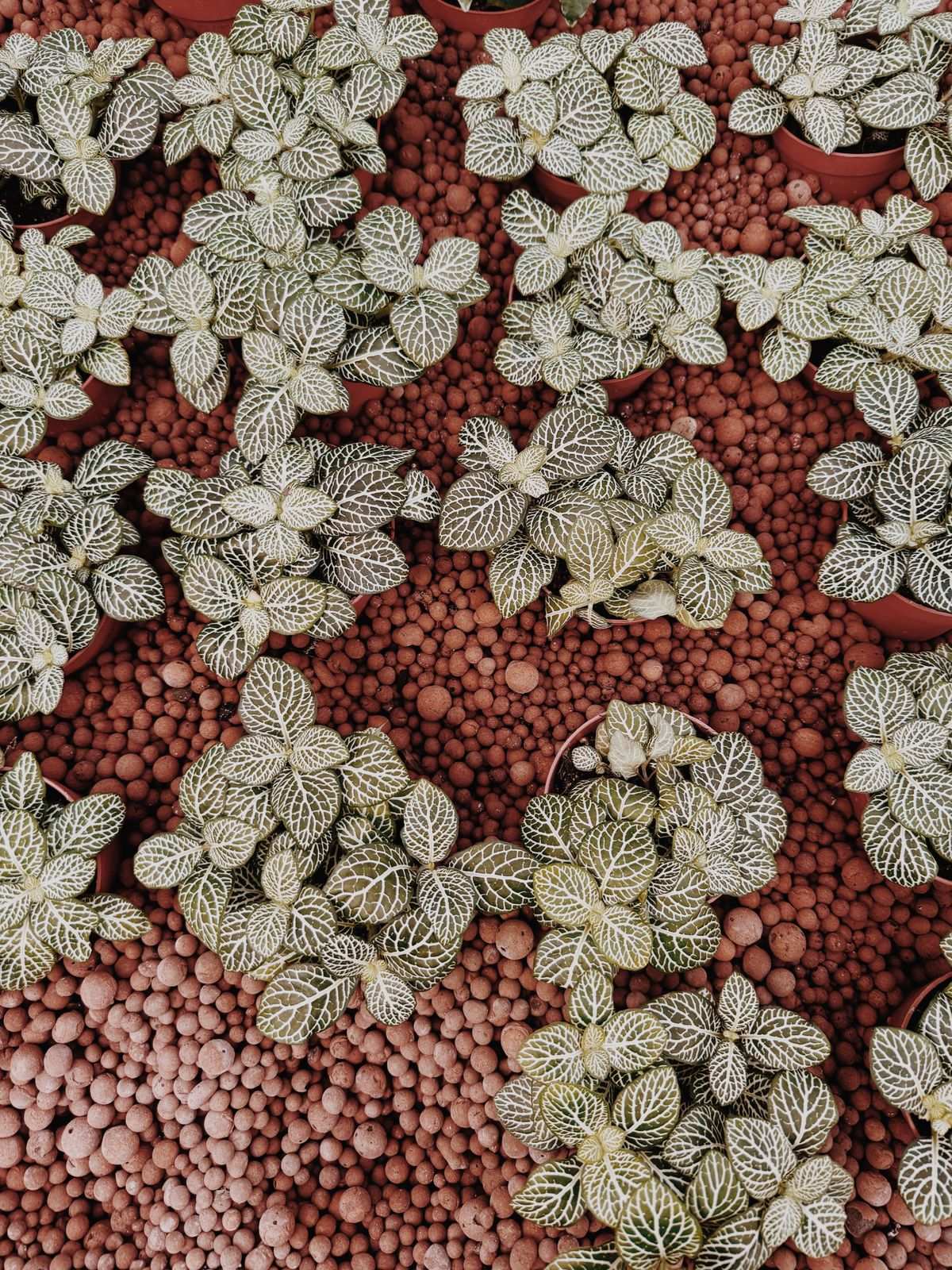
Semi-hydroponic growing swaps soil for porous clay pebbles that wick water up from a shallow reservoir, so roots get steady moisture with air around them. Growers like being able to see the roots and check one water line. It also puts feeding fully in your hands, and some plants take to the method better than others. Here is what the trusted sources say, and where they are still quiet.
What is semi-hydroponic growing?
LECA is made of small fired clay pebbles. University of Minnesota Extension describes them as marble-sized pebbles with large spaces between them, which give more airflow and make root growth easy. The same page notes that they hold only a limited amount of water and can be reused.
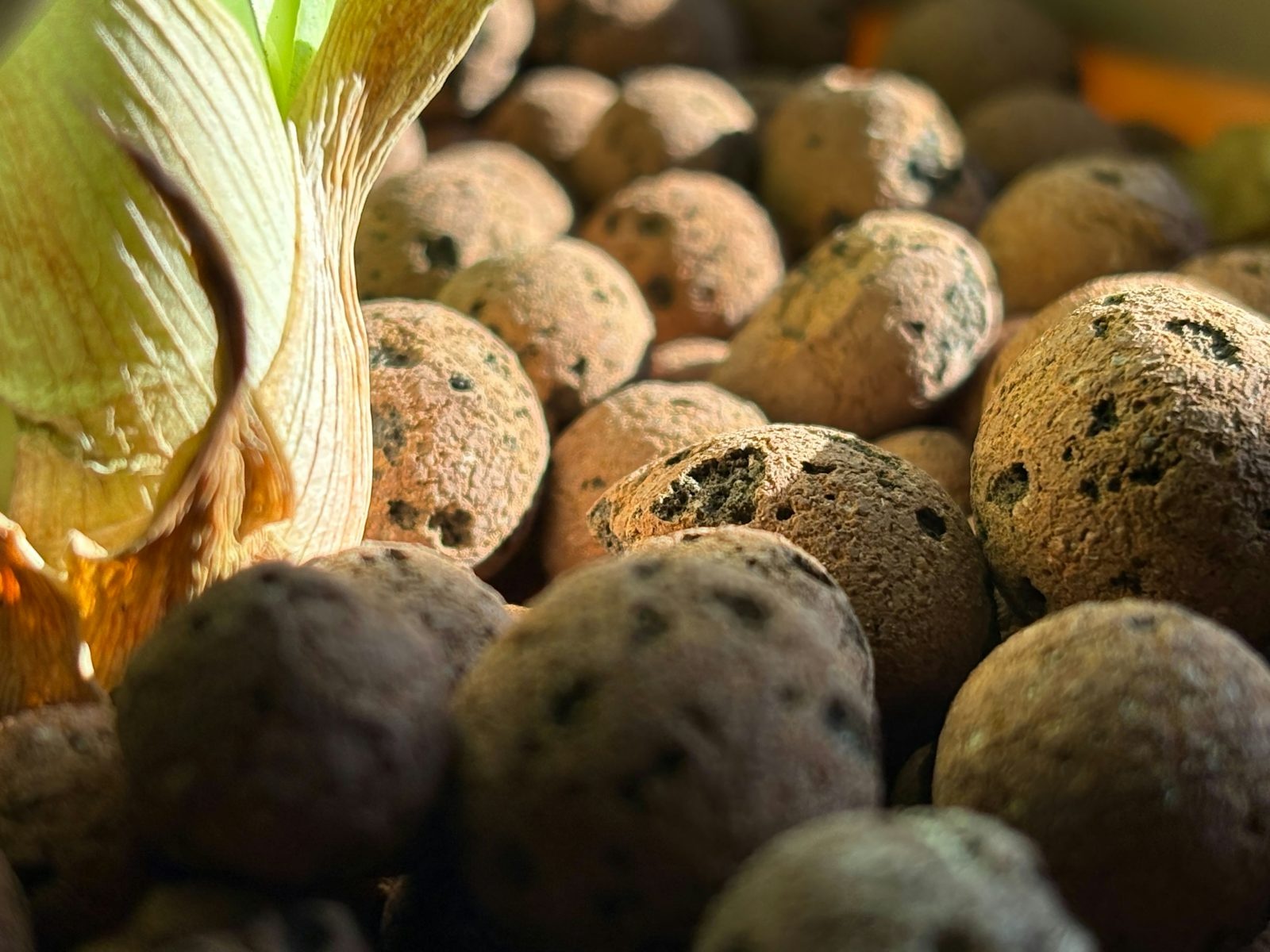
Water moves up through the pebbles by capillary action, the same wicking that makes a sponge draw up liquid. Mississippi State University Extension explains this idea for self-watering containers, where a reservoir in the base keeps moisture steady in the root zone.
The American Orchid Society (AOS) credits grower Ray Barkalow with pioneering semi-hydroponic orchid growing, a technique that has since been adapted in many forms.
How is semi-hydro different from hydroponics?
In full hydroponics, roots hang in nutrient solution and often rely on a pump or air stone for oxygen. In semi-hydro, the pebbles hold the plant up, and the air spaces between them let roots breathe above the water line.
| Feature | Semi-hydro | Hydroponics |
|---|---|---|
| What holds the roots | Clay pebbles in a pot | Net pots, rafts or channels |
| Where water sits | A shallow reservoir at the base | A tank or flowing channel |
| Extra gear | Usually none | Often a pump, air stone and light |
Which plants do well in semi-hydro?
The clearest guidance comes from orchid growers. In an American Orchid Society article, longtime grower Katherine Weitz describes growing orchids for decades in pots that hold a little water at the bottom. Paphiopedilums, phragmipediums and most cattleyas did well for her. Tolumnias did poorly. She adds a useful clue: species described as doing best mounted need to drain quickly and are unlikely to enjoy a reservoir. Those plants belong on a mount, covered on our mounted plants page.
Her mix was fir bark, sponge rock and charcoal, so her advice speaks to the reservoir method in general: try the method on a plant or two first, and let the plants tell you what they like.
How do I start a plant in semi-hydro?
The trusted sources we found do not give a step-by-step method for moving houseplants from soil into LECA, so we keep this part simple. Use a healthy plant. Set it in pebbles in a pot that holds a little water at the base or sits inside a reservoir. Then watch.
Weitz repots often so she can keep an eye on root health, and that is a good model. Healthy roots are the base of everything in this method.
How do I know when to add water?
Weitz judges her pots by weight and sound. Lift the pot: if it feels light, it needs water. If you can hear water sloshing in the pot, wait.
Because LECA holds limited water, as University of Minnesota Extension notes, an empty reservoir matters sooner than dry soil would. Keep the check simple and look before you pour.
What fertilizer does semi-hydro need?
With an inert medium, every nutrient comes from what you add. Choose a complete fertilizer and follow the label for dilution. Fertilizer bags show three numbers for nitrogen, phosphorus and potassium, and a complete product supplies the other nutrients plants need as well.
Salts from tap water and fertilizer build up over time. The AOS guide to watering techniques explains that a thorough watering flushes those salts away. Weitz notes that summer rain soaks did the same job for her pots.
What problems should I watch for?
- Salt buildup: flush with plain water, as the AOS recommends
- Algae: light plus fertilized water grows algae, so University of New Hampshire Extension advises keeping light off nutrient solution where possible
- Soft, dark or mushy roots: see our root rot guide for what to trim and how to restart
Weitz is candid that she has lost plants along the way, and that most orchids adapt well to changes in culture when you pay attention to what they are telling you.
Is semi-hydro right for me?
You might enjoy semi-hydro if you like visible roots, a reusable medium and one easy reservoir check. It asks you to take charge of feeding, and to accept that some plants will prefer soil or a mount.
If you want to compare, our guide to overwatering explains the soil check, and beginner plants that still look good lists sturdy plants for a first pot. Rooting a cutting in a jar is another gentle way to explore growing in water; see propagating and keeping plants in water.
How does Grove handle semi-hydro?
Grove builds a care plan from the species, how you grow the plant, and whether it lives indoors or outdoors. Semi-hydroponic (LECA) is one of the methods you can pick. The method changes watering technique and how often you water, feeding, pruning, repotting and the task rhythm. Feeding names a fertilizer and explains the three numbers on the bag. If you move a plant from soil into pebbles, change the method and Grove can rebuild the plan to match. You can edit all of the plan.
Sources
- Small-scale hydroponics : University of Minnesota Extension
- Subirrigated Containers for the Mississippi Gardener : Mississippi State University Extension
- Semi-hydroponic Orchid Growing : American Orchid Society webinar with Ray Barkalow (2015)
- A New Way to Grow Orchids : Katherine Weitz, American Orchid Society (September 2025)
- Watering: Techniques for Success : American Orchid Society
- Hydroponics at Home : University of New Hampshire Extension (August 2023)