Spider mites and thrips on houseplants: how to spot them, stop them and treat them
Spider mites and thrips are two of the smallest pests you will meet on houseplants, and two of the most frustrating. Both scrape or pierce leaf cells and leave pale, speckled foliage behind. Both respond well to early, steady care. This guide shows you how to tell them apart, why they show up, and which natural and chemical treatments the research supports.
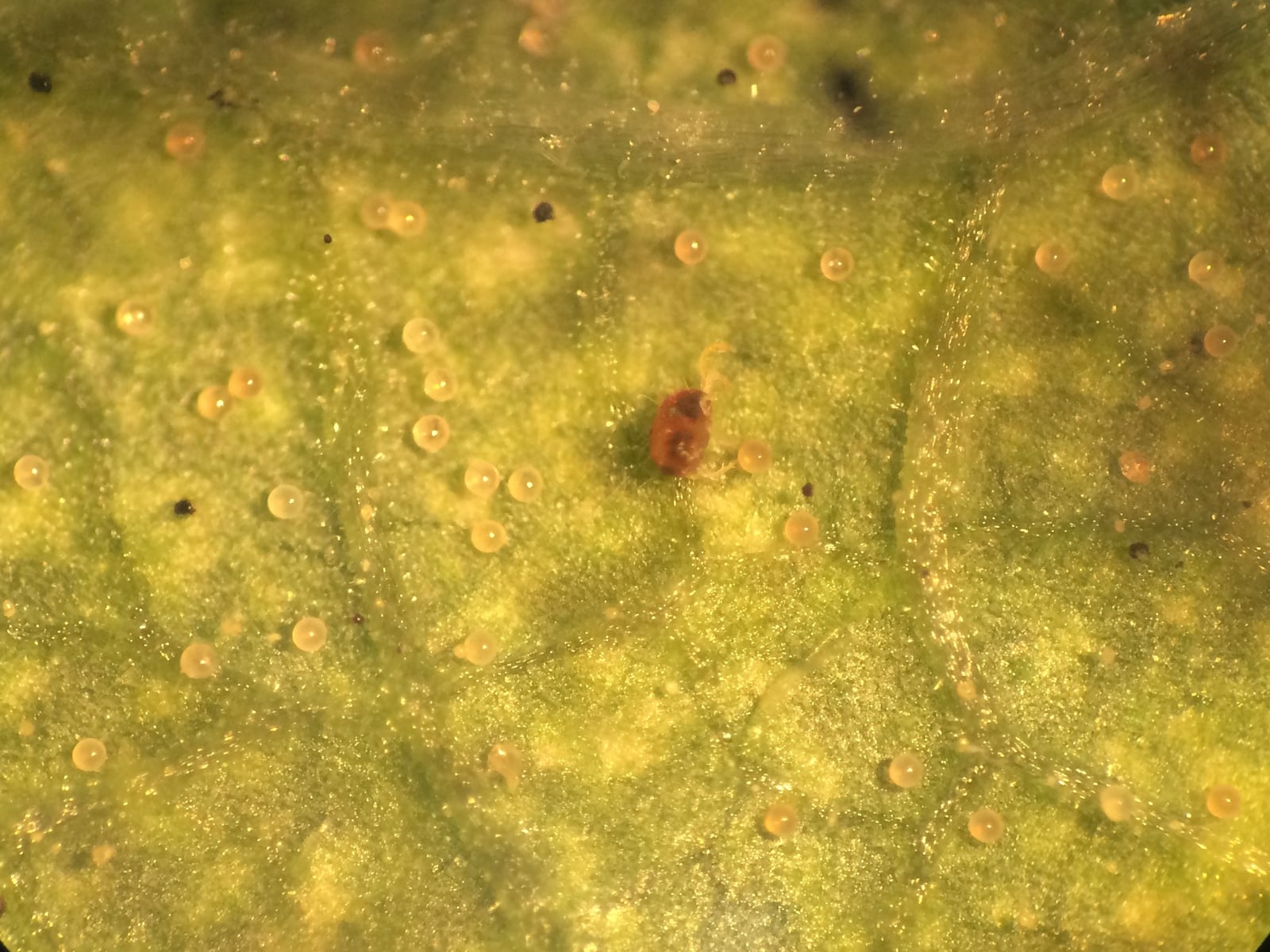
How do I know if it's spider mites or thrips?
The University of California Integrated Pest Management (UC IPM) houseplant guide describes two-spotted spider mites as about 0.02 inch long, living on the undersides of leaves. They are arachnids, relatives of spiders and ticks. The UC IPM spider mite Pest Notes explain that damage first appears as a stippling of light dots, and leaves can take on a bronze color before yellowing and dropping. Webbing is the easiest way to separate spider mites from other tiny pests.
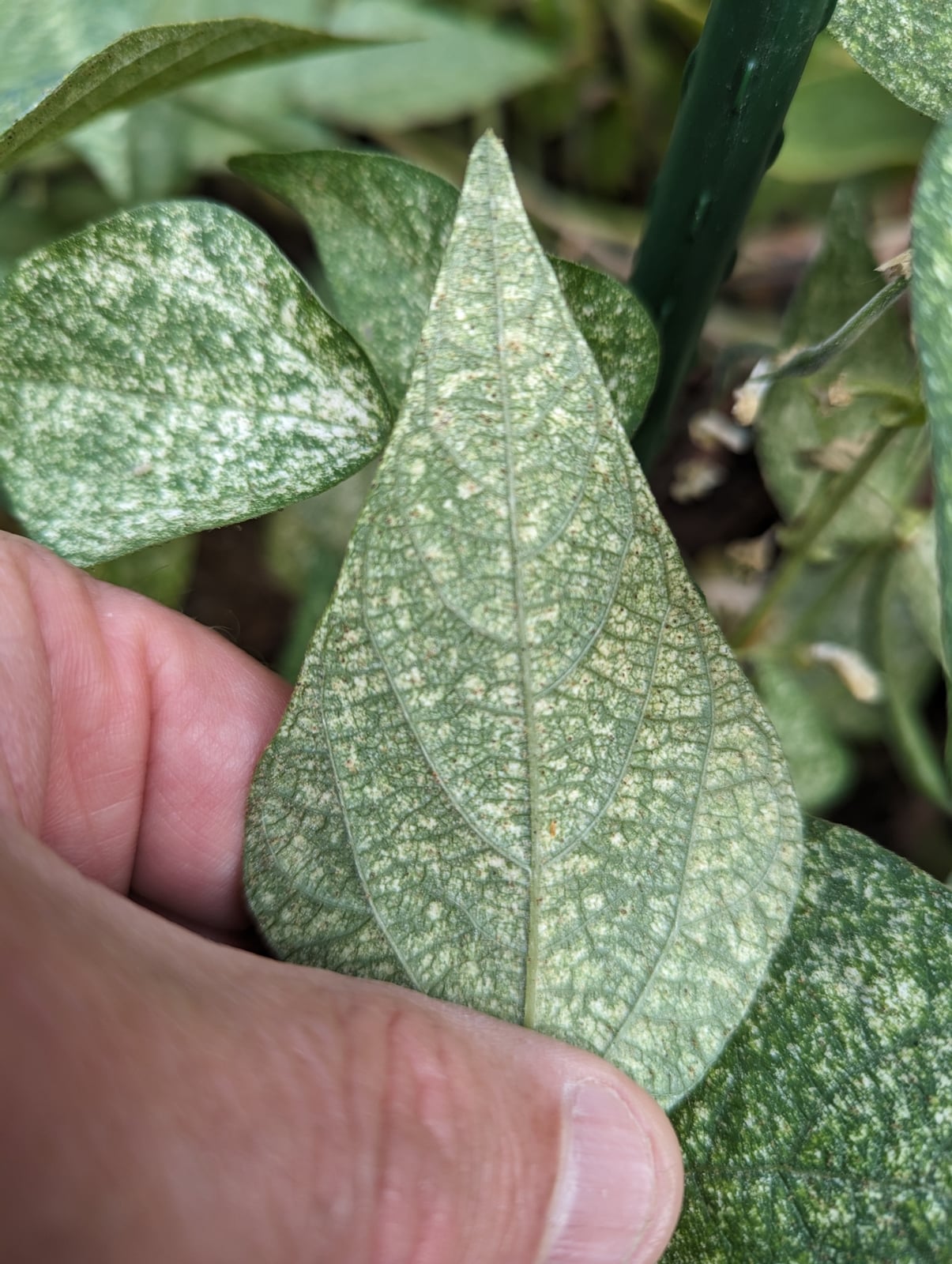
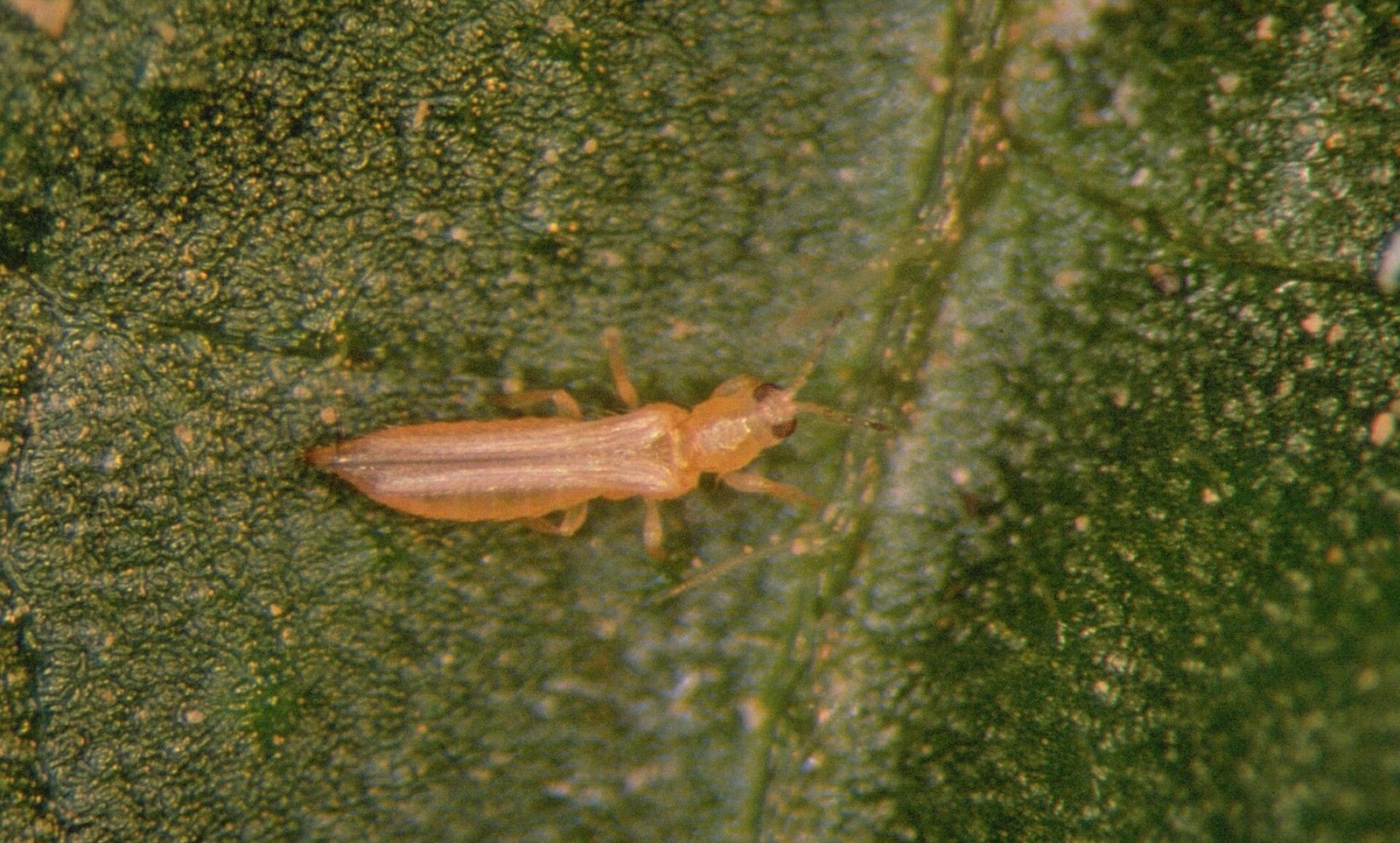
Thrips are slender insects under 1/8 inch long with fringed wings, according to UC IPM. Their feeding leaves stippling plus silvery gray patches and shiny black dots of excrement. The Missouri Botanical Garden adds that leaves may develop silvery streaks and growing points can become contorted.
| Pest | Size and look | Where it hides | Damage signs | Quick test |
|---|---|---|---|---|
| Spider mites | About 0.02 inch, oval, eight legs | Undersides of leaves, in fine webbing | Pale stippling, bronzing, webbing | Tap a leaf over white paper and watch for moving specks |
| Thrips | Under 1/8 inch, slender, fringed wings | Buds, flowers and folded new leaves | Silvery patches, black specks, distorted growth | Shake foliage over white paper or check a sticky trap |
Seeing tiny white dots? If they are fuzzy, sit in cottony clusters where leaves meet the stem and leave sticky honeydew behind, look for mealybugs. UC IPM lists them with spider mites among common houseplant pests, and our yellow leaves guide matches each sign to its pest.
The Missouri Botanical Garden spider mite page describes the paper test: tap a leaf over white paper and look for specks like dust or pepper that start to move. The UC IPM thrips Pest Notes suggest the same shake test, plus blue or yellow sticky traps to catch flying adults.
Why do houseplants get spider mites and thrips?
UC IPM notes that spider mite damage is usually worst in hot, dusty conditions and on water-stressed plants. Heated homes in winter fit that description well, which is why mites flare up in the colder months. Our winter care guide covers dry indoor air.
Indoors, pests also lack the predators and rain that keep them in check outside. Common ways they arrive:
- On a new plant from a store or a friend
- On cut flowers, since thrips often feed hidden in buds and blooms
- On plants returning from a summer outdoors
- From a neighboring infested plant
The Royal Horticultural Society (RHS) thrips page advises checking the flowers of new flowering houseplants and avoiding any with thrips or pale flecking on the petals.
How do I prevent them?
Prevention is mostly good habits:
- Inspect leaf undersides, buds and stems before a new plant joins the others
- Keep new arrivals apart from your collection for a few weeks
- Rinse or wipe leaves to remove dust, which mites favor
- Check the soil before watering so plants never sit thirsty for long, using our guide to checking whether your plant needs water
- Hang yellow or blue sticky cards near susceptible plants to spot thrips early
- Avoid extra nitrogen fertilizer, which UC IPM says can increase thrips numbers
How do I treat spider mites and thrips naturally?
Water is the first tool. UC IPM recommends washing leaf surfaces and reducing dust, and the spider mite Pest Notes suggest spraying water on the undersides of leaves to knock mites off. In a home, that means a lukewarm shower or a sink rinse, with the pot tilted so the soil stays put.
Natural steps that help:
- Rinse the whole plant, paying attention to leaf undersides, and repeat as long as pests appear
- Prune heavily infested leaves and stems, as UC IPM recommends
- Remove spent flowers that can harbor thrips
- Keep the plant isolated until several checks in a row come up clean
Predatory mites are the main biological control. The RHS glasshouse red spider mite page lists Phytoseiulus persimilis for spider mites, sold by mail order, and the RHS thrips page lists Amblyseius species for thrips. UC IPM gives a guideline of one predator for every 10 spider mites. Predators work best in a plant room, sunroom or large collection where they can find prey. UC IPM notes that spinosad and some pyrethroids and organophosphates harm predatory mites, so keep those sprays away from plants where you release them.
Which chemical treatments work indoors?
UC IPM's houseplant guide advises choosing a product labeled for indoor use on your plant and your pest, spraying outdoors if possible, and trying soap or oil before other insecticides. The University of Maine (UMaine) Extension houseplant pest bulletin adds that if the plant and pest are missing from the label, the product should stay on the shelf.
- Insecticidal soaps (potassium salts of fatty acids): Colorado State University (CSU) Extension explains that soaps kill on contact, spider mites are among the most susceptible pests, and there is no residual action, so repeat sprays every four to seven days may be needed for mites. Some plants are sensitive, so test a small area a day or two before a full spray
- Horticultural oils, including neem oil: UC IPM accepts petroleum or plant-based oils for mites. Skip spraying water-stressed plants or in hot conditions. The National Pesticide Information Center (NPIC) neem fact sheet rates neem oil practically non-toxic to mammals but reports harmful reactions in cats treated with neem oil, so keep cats away from treated plants
- Spinosad: UC IPM thrips Pest Notes say spinosad is generally more effective against thrips than soaps or oils. It can harm bees and predatory mites when sprayed and for about a day afterward, so UC IPM advises against spraying plants that are in flower. See the NPIC spinosad fact sheet
- Pyrethrins: UC IPM says these give temporary thrips control. The NPIC pyrethrins fact sheet notes they are highly toxic to fish, so keep sprays well away from aquariums
- Systemic imidacloprid: UMaine notes these come as houseplant spikes and should never be combined with beneficial insects. UC IPM says imidacloprid commonly fails against thrips, and treats systemics as a last resort. Keep spikes and granules away from pets
Pet and indoor safety for every product: read the whole label, ventilate the room, keep cats, dogs and children away until the spray dries, and cover or move aquariums before spraying nearby.
Which home remedies are myths?
- Dish soap works as well as insecticidal soap: CSU Extension says home remedies made from household liquid soaps or cleaning products should not be used as pesticides. UMaine suggests only a weak bath of two teaspoons of mild dish detergent per gallon of water, kept out of the soil, to wash dust and some insects off the leaves
- Misting the room stops spider mites: A light mist in the air raises humidity for only minutes, according to Penn State Extension. UC IPM instead advises spraying or misting the undersides of the leaves directly, at least once a day on infested plants, to knock mites off
- Imidacloprid fixes thrips: UC IPM says imidacloprid commonly fails to control thrips and is generally not recommended for them
- Broad-spectrum sprays clear mites fast: UC IPM warns that some pyrethroids and organophosphates kill mite predators and can trigger mite outbreaks
- Cinnamon or garlic powder on the soil kills mites: Spider mites feed on the leaves, out of reach of anything on the soil. UC IPM does list labeled sprays made with garlic extract or cinnamon oil among mite products, and like soaps and oils they only work when they coat the leaf undersides
When is it time to give up on a plant?
UMaine Extension suggests discarding heavily infested plants and considering that option before reaching for a toxic product. UC IPM says a persistent or worsening mite problem may be best solved by discarding the plant to stop the spread. If a few clean stems remain, take cuttings from healthy growth, rinse them well, and keep them isolated while they root. Bag the old plant before carrying it through the house, and wipe down the shelf and nearby pots.
How does Grove help?
Grove builds a care plan from your plant's species and how you grow the plant. The watering task asks whether the plant needs water today, which keeps plants from swinging into the drought stress that mites love, while our overwatering page explains why the check also guards against soggy soil. If leaves look speckled or silvery, run a health check and compare what you see with the table above. For flying pests around the soil, see our fungus gnat guide, and for yellowing that may have another cause, our yellow leaves guide.
Spider mite and thrips FAQ
Can spider mites and thrips spread to my other plants?
Yes. Both move from plant to plant, and thrips can fly. Isolate the affected plant right away and check its neighbors.
How long does treatment take?
UC IPM notes spider mites can go from egg to adult in about two weeks at 75°F, so plan on repeated rinses or sprays over several weeks until checks come up clean.
Are spider mites dangerous to people or pets?
Spider mites and thrips feed on plants. The bigger safety question is the product you use, so follow the label and keep pets away until leaves dry.
Why do they keep coming back?
Eggs and hidden insects survive a single treatment. Keep rinsing, keep the plant isolated and remove heavily damaged growth.
Do sticky traps get rid of thrips?
The RHS says blue sticky traps can catch thrips and help reduce numbers. Treat them as an early warning and a support to washing and spraying.
Sources
- Houseplant Problems, Pest Notes: Spider Mites and Pest Notes: Thrips : University of California Statewide Integrated Pest Management Program
- Spider mites and Thrips : Missouri Botanical Garden
- Thrips and Glasshouse red spider mite : Royal Horticultural Society
- Bulletin 2613, Controlling Insects and Disease in Houseplants : University of Maine Cooperative Extension
- Insect Control: Soaps and Detergents : Colorado State University Extension
- Neem Oil, Spinosad and Pyrethrins : National Pesticide Information Center
- Humidity and Houseplants : Penn State Extension