Does my plant need water? How to check soil, pot weight and leaves
The most useful plant skill is also the simplest: check before you water. A plant's thirst changes with the light, the season, the pot and the soil mix, so the only reliable answer comes from the plant itself. This guide shows you the checks extension horticulturists recommend, how to read each one, and how to water well once the answer is yes.
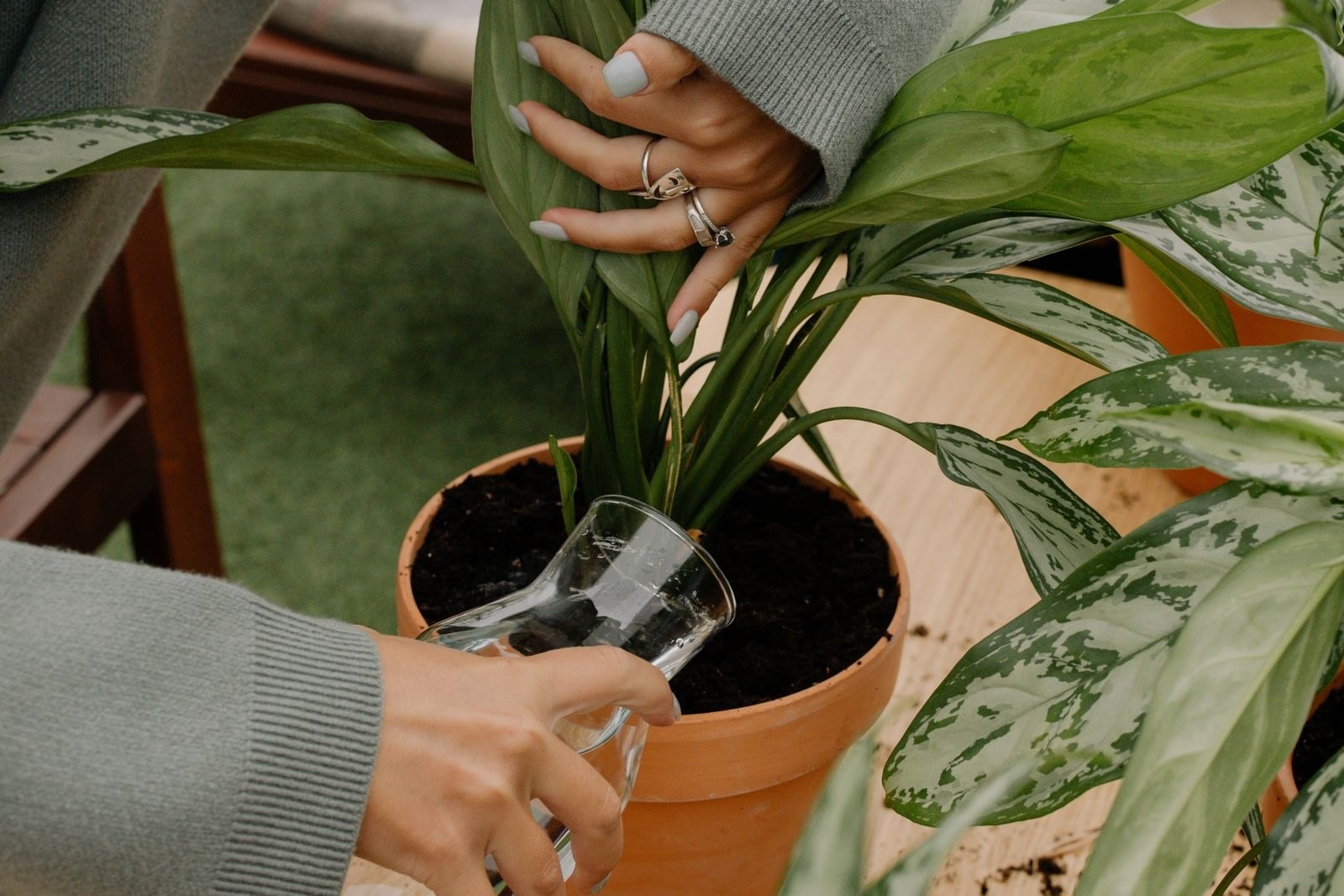
Why is checking better than a watering schedule?
University of Illinois Extension says watering on a fixed schedule usually fails, because each plant dries at its own pace. A fern in a small plastic pot on a sunny sill and a snake plant in a big clay pot across the room will never be thirsty on the same day.
Virginia Tech's SPES-804 publication agrees: most houseplants need monitoring and no rigid schedule. The checks below take seconds once they become part of your routine.
How do I check the soil with my finger?
The finger test is the check you will use most. Illinois Extension suggests feeling the soil to about 2 inches deep. The University of California (UC) Master Gardener blog uses the top inch as a guide: leafy plants can dry until barely moist, and succulents until that top inch feels mostly dry.
Pot size changes the depth. The University of Arizona Extension suggests checking the top inch in containers 8 to 10 inches across and the top half inch in smaller pots. Oregon State University Extension offers an easy measure: push your finger in to the second knuckle.
How to read the result:
- Dry and crumbly at that depth: water now
- Cool, damp or sticky: wait and check again later
- Soil clinging to your finger: still moist
The UC blog adds a visual clue too, since dry potting mix turns lighter in color.
How does pot weight tell me?
The UC Master Gardener blog suggests lifting the pot right after a thorough watering so you know how heavy it feels when wet. When the same pot feels noticeably lighter, the mix has dried. Oregon State Extension recommends lifting the pot as an alternative to the finger test, and Virginia Tech Extension uses a lift after watering to spot potting mix that stayed dry.
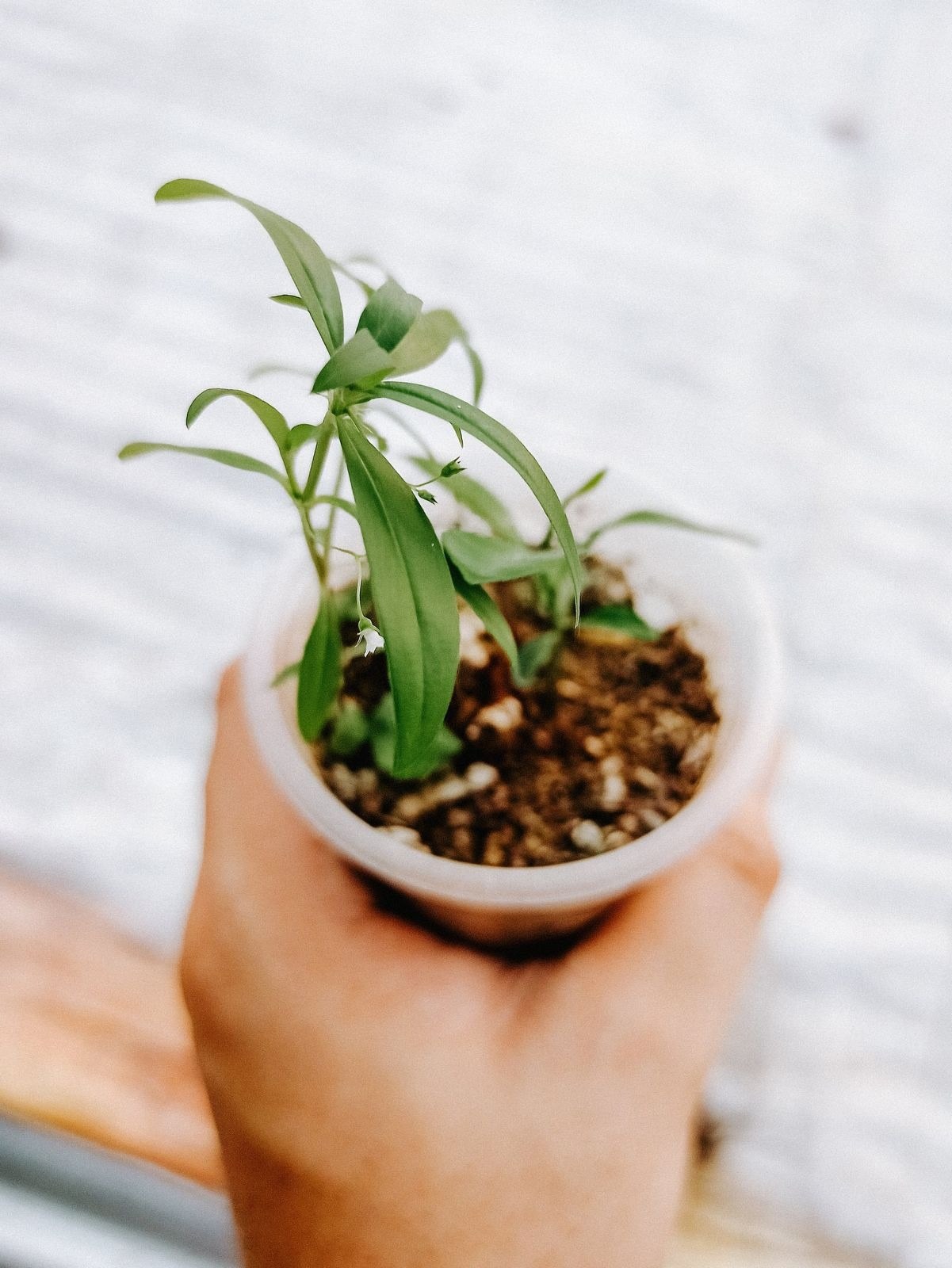
Pot weight works best for small and medium pots and for hanging baskets you can tip up with one hand. It also reads the whole root ball, including the bottom where a finger cannot reach.
What do the leaves tell me, and when do they mislead?
A thirsty plant often droops, but leaves are a late and mixed signal. Our drooping plant guide walks through wet versus dry causes in more depth. Clemson Cooperative Extension Home and Garden Information Center (HGIC) lists lack of water, excess water, root rot, too much fertilizer and salt buildup as common causes of wilting.
University of Maryland (UMD) Extension makes the same point: root rot can make a plant wilt while the soil is wet. If the leaves droop and the soil is damp, skip the water and check the roots with our root rot guide. Yellow lower leaves have several causes, covered in our yellow leaves guide.
Do moisture meters and chopsticks work?
The University of Vermont Extension recommends the chopstick test. Push a plain wooden chopstick deep into the potting mix and pull it out. If soil sticks to the wood, the mix is still moist and the plant can wait. If no soil sticks, the plant is ready for water.
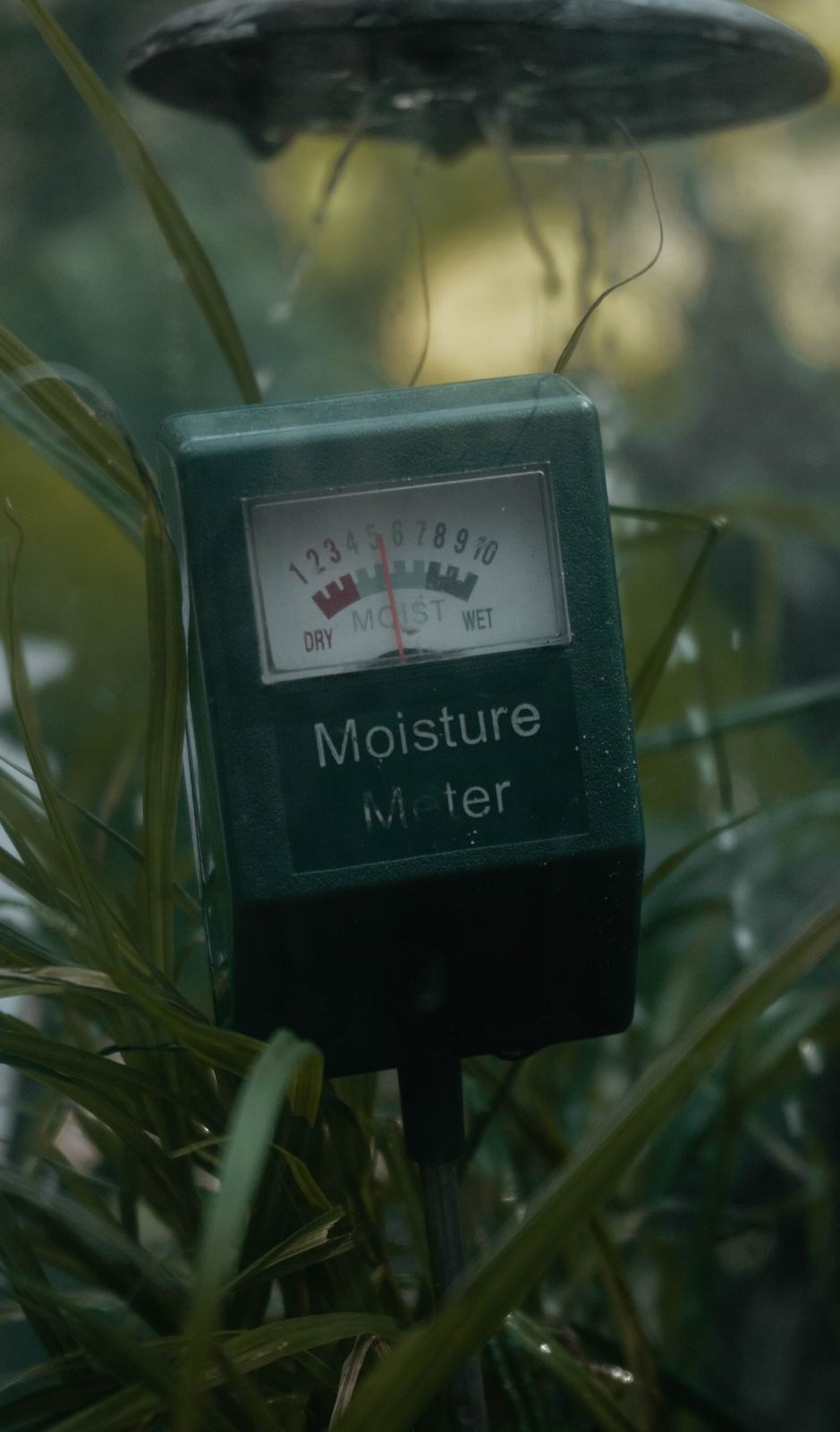
Moisture meters are popular, and Arizona Extension says they give a general idea of moisture in the center and lower part of the pot. Illinois Extension cautions that a meter probe can be useful but may not always be reliable. Use a meter as a second opinion alongside your finger.
Which check should I use?
| Check | How to do it | Says water | Says wait | Best for |
|---|---|---|---|---|
| Finger | Push a finger in 1 to 2 inches | Dry and crumbly | Cool or damp | Most pots |
| Pot weight | Lift and compare with wet weight | Feels light | Feels heavy | Small pots and hanging baskets |
| Chopstick | Push wood deep into the mix and pull out | Comes out clean | Soil sticks to the wood | Deep and large pots |
| Moisture meter | Insert the probe toward the roots | Reads dry | Reads moist or wet | Any pot, alongside a finger check |
| Leaves | Look for drooping or soft leaves | Drooping with dry soil | Drooping with wet soil | Any pot, as a first clue |
How do pot, mix and light change the check?
Illinois Extension notes that clay pots dry faster than plastic because water evaporates through their walls. Arizona Extension adds that a top layer of bark mulch slows drying, which helps in dry rooms and means you should push past the mulch when you check.
Very dry potting mix can turn water repellent. Virginia Tech Extension notes that quick, heavy drainage and a pot that still feels light after watering are signs the mix did not soak up water. If that happens, add more water slowly until it stops draining, check for dry spots and repeat until the whole root zone is moist. UMD Extension suggests setting a badly dried pot in a basin of water about halfway up the pot for 1 to 2 hours to rehydrate the mix.
Light and season change the pace too. A plant in a bright window in summer may dry out in days, while the same plant in winter can stay moist much longer. Our winter care guide explains why checking matters even more in the darker months.
How do I water once the check says yes?
When the check says yes, water thoroughly. The UC blog recommends watering until some drains out of the bottom, which shows the water reached the whole root zone, and warns that drained water holds salts the pot can soak back up. Empty the saucer or cachepot after a few minutes so the roots never sit in standing water. Illinois Extension recommends room temperature water.
Then wait for the next check to say yes. A thorough watering followed by a proper dry down keeps roots healthy and helps prevent root rot and fungus gnats.
Which watering myths should I ignore?
- Watering on the same day each week: UMD Extension calls this a common mistake, since plant needs change with the season
- Ice cubes as a watering method: The Conversation lists ice cube watering among misguided social media plant trends
- Trusting a meter reading alone: Illinois Extension notes meters may not always be reliable
How does Grove's watering task work?
Grove builds each plant's care plan from its species and how you grow the plant. The watering task asks you to check the plant before watering, and the methods above are how you answer. To see how the task protects against soggy soil, read our page on overwatering. New to plants? Our first plant guide is a friendly place to start.
Watering check FAQ
Is a dry surface enough to water?
Usually no. The surface dries first, so feel 1 to 2 inches down or lift the pot before you water.
Should I water a drooping plant right away?
Check the soil first. Droop with dry soil means water; droop with wet soil points to root trouble.
How do I check succulents and cacti?
Let the top inch of mix feel mostly dry, as the UC blog suggests, and use a chopstick or pot weight to read the lower soil.
Does winter change the check?
The check stays the same, and the answer changes. Plants use less water in low light, so the soil stays moist longer. See our winter care guide.
Sources
- Watering houseplants : University of Illinois Extension
- Properly Watering Container Houseplants, SPES-804 : Virginia Cooperative Extension, Virginia Tech
- Watering your houseplants : University of California Agriculture and Natural Resources, Backyard Gardener blog
- Indoor Plant Selection and Care : University of Arizona Cooperative Extension
- Set houseplants up for success : Oregon State University Extension
- Houseplant Diseases and Disorders : Clemson Cooperative Extension Home and Garden Information Center
- Winter Indoor Plant Problems : University of Maryland Extension
- Houseplant Care During Winter Months : University of Vermont Extension
- 4 misguided plant health trends on social media : The Conversation