Why is my plant drooping? Too wet or too dry, and how to tell
A drooping plant looks alarming, and the first instinct is to grab the watering can. Sometimes that is exactly right. Other times the soil is already wet and more water makes things worse. This guide shows you how to tell the two apart in a couple of minutes and what to do in each case.
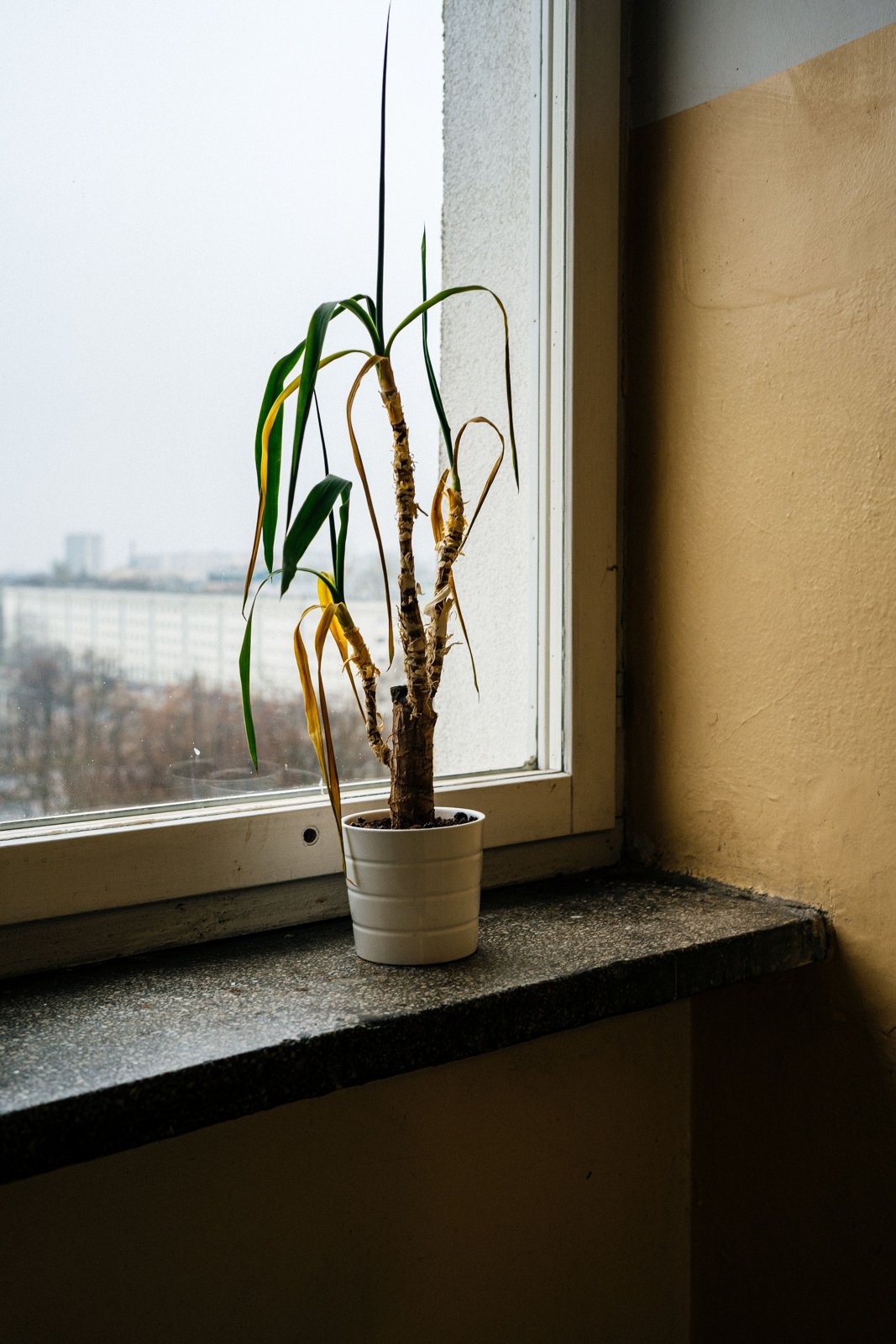
Why do plants droop?
The Clemson University Home and Garden Information Center (HGIC) houseplant fact sheet lists "a lack of water, excess water, root rot, too much fertilizer, and/or a salt buildup" as common causes of wilting. It explains that "Overwatering will cause the roots to die from a lack of oxygen."
The University of California Integrated Pest Management (UC IPM) houseplant guide says wilting "is usually caused by underwatering or excessive light but may also be due to root decay from soil pathogens, often associated with overwatering or poor drainage." Its advice is short and useful: "Inspect root systems whenever wilting occurs."
University of Illinois Extension sums up the trap: "Wilting plants often indicate they need water, but sometimes it can be a symptom of over-watering."
How do I tell too wet from too dry?
| Clue | Dry soil droop | Wet soil droop |
|---|---|---|
| Soil feel | Dry and crumbly two inches down | Damp or soggy two inches down |
| Pot weight | Noticeably light | Heavy |
| Soil edge | Shrunk away from the pot sides | Sitting tight, may stay dark and wet |
| Leaves | Limp, may turn crisp at the edges | Limp, often yellowing |
| Stem base | Firm | May be soft or dark |
| Smell | Earthy | May smell sour or rotten |
| After a thorough watering | Usually lifts again | Stays limp, because damaged roots cannot move water |
Illinois Extension recommends testing "the soil with your finger to a depth of two inches." The University of Maryland (UMD) Extension page on winter indoor plant problems describes dry soil that "has shrunk away from the pot sides" and explains that "Root rots may also paradoxically cause wilting even when the soil is wet because the roots are so damaged that they cannot transport water to the leaves." UC IPM adds that "Soft stem bases usually are indicative of overwatering." For more ways to read the soil, see does my plant need water? Grove builds each plant's care plan from its species and how you grow the plant.
What do I do if the soil is dry?
Illinois Extension says to "soak the soil thoroughly and allow the excess water to drain through to the saucer. Then empty the saucer."
Very dry mix can shed water. UMD's fix for soil that has pulled away from the pot: place the pot "in a sink or bucket of warm tap water so that the pot is halfway submerged. Allow the pot to remain for an hour or two so that the soil will slowly reabsorb moisture."
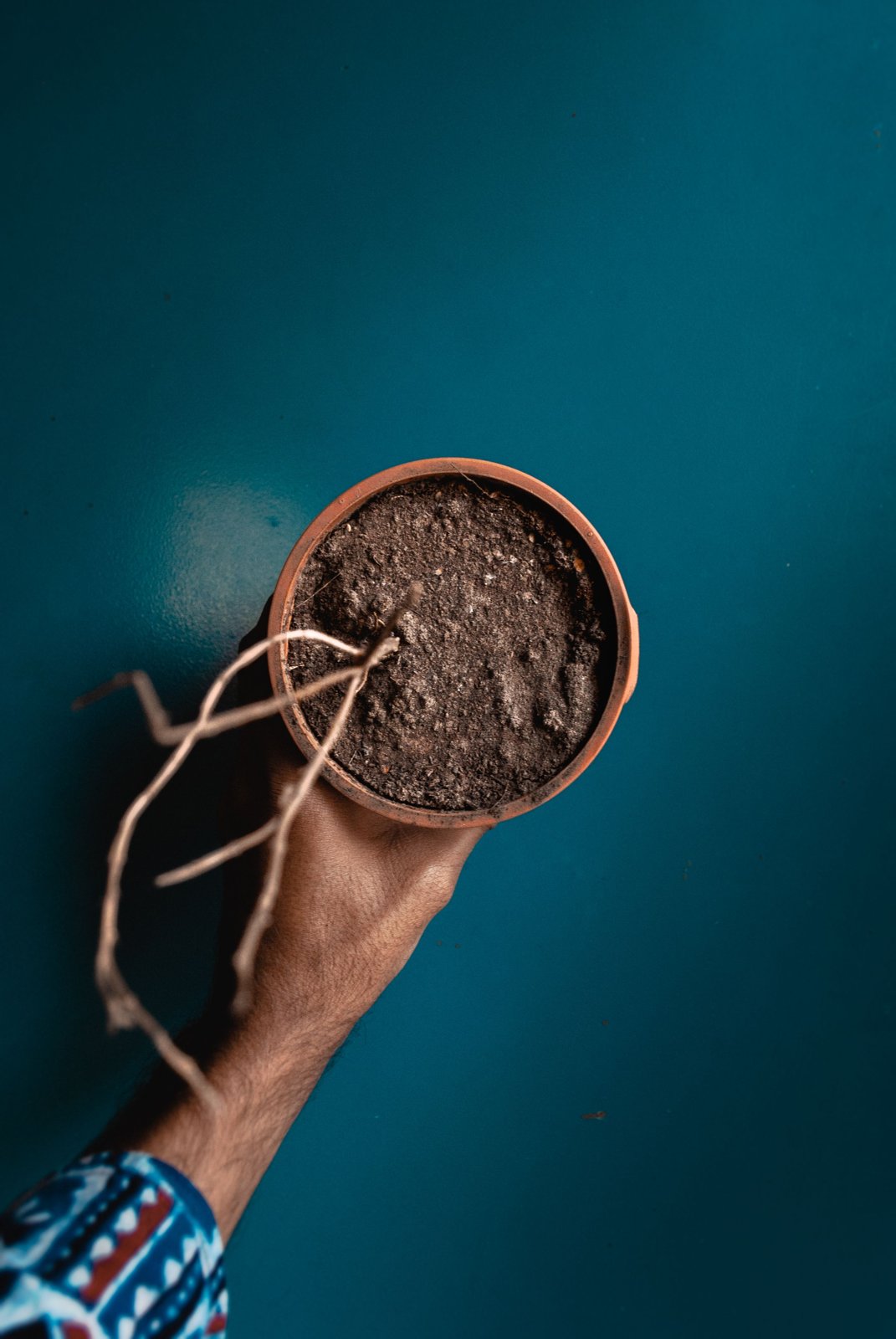
Then let the plant settle in bright, indirect light. Leaves that dried to a crisp will not recover, and you can trim them once new growth appears. If browned tips are the main leftover, see brown leaf tips and crispy edges.
What do I do if the soil is wet?
Stop watering and empty any water in the saucer or cachepot. Illinois Extension warns, "Do not allow the pot to sit in a saucer of water." Slide the plant out and look at the roots. UC IPM says "Healthy roots should be white," and dark, soft tips often mean rot. If the roots look healthy, let the soil dry and improve drainage, as Clemson advises: "Provide drainage, and reduce watering." If the roots are dark and mushy, follow our root rot guide. Our overwatering guide covers wet-soil habits in more depth.
What if the soil is neither too wet nor too dry?
Clemson describes a pot-bound plant as one that "has filled its pot with roots. There is not enough soil to hold the water for all those roots, so the plant wilts. Correct this problem by repotting in a larger pot." It adds that "Fertilizer and minerals from hard water will accumulate in the soil and cause root damage and wilting. Repot in fresh soil."
UC IPM lists "Sudden change in light, temperature, or relative humidity" among the causes of leaf drop and sudden wilting. A plant that just came home from the store, moved rooms or sat near a heater or cold window can droop for that reason alone. Keep its care steady and give it time.
Could pests or disease cause the droop?
Root rot is covered in full, with natural and chemical treatment options, on our root rot page. Heavy sap-feeding pests can also weaken a plant; see spider mites and thrips for those treatments.
UC IPM describes systemic bacterial diseases that "can cause wilting and general yellowing of plants," with cankers or rots that are "soft and mushy in appearance and may have an unpleasant odor." Its guidance is direct: "discarding infected plants is often the best approach. Pesticide sprays are not effective because the pathogens are distributed throughout the plant, deep within all its tissues."
Treatments for drooping itself are the natural fixes above: correct watering, soaking dry mix, repotting and leaching salts. No chemical product treats drooping. If you confirm root rot or pests, use the sourced treatment sections on those pages.
Which drooping myths should I ignore?
Myth: drooping always means the plant needs water. Illinois Extension and UMD both note that wilting can come from overwatering, when damaged roots stop moving water. Always check the soil first.
Myth: a drooping plant needs a dose of fertilizer. Clemson lists "too much fertilizer" among the causes of wilting and says fertilizer salts "will accumulate in the soil and cause root damage and wilting." Hold off on feeding until the plant is upright and growing again.
How long until a drooping plant perks up?
Our sources do not give exact recovery times, so watch the plant itself. If a plant in dry soil stays limp after a full soak and drain, check the roots. If you have found and fixed a wet-soil problem, judge progress by firm new growth over the following weeks.
Drooping plant FAQ
My plant droops every afternoon and recovers at night. Is that a problem?
UC IPM lists excessive light as a cause of wilting. A plant that wilts in strong afternoon sun may need more shade or a check of the soil at that time of day.
Should I mist a drooping plant?
Misting does not reach the roots. Check the soil and water or dry it out as needed.
Can I use bottom watering to revive a dry plant?
Yes. UMD's half-submerged soak works well for dry mix that has shrunk from the pot, and Illinois Extension describes sub-irrigation as another watering method.
Sources
- Houseplant Diseases and Disorders : Clemson University Home and Garden Information Center
- Houseplant Problems : University of California Statewide Integrated Pest Management Program
- Watering houseplants : University of Illinois Extension
- Winter Indoor Plant Problems : University of Maryland Extension