Brown leaf tips and crispy edges: what causes them and how to fix them
Brown, papery tips are one of the most common complaints about houseplants, and one of the least dangerous. The plant is usually healthy at its core and reacting to something in its surroundings: dry air, uneven watering, built-up salts or the water itself. This guide walks through each cause, shows you how to tell them apart and explains what to change so new leaves stay green.
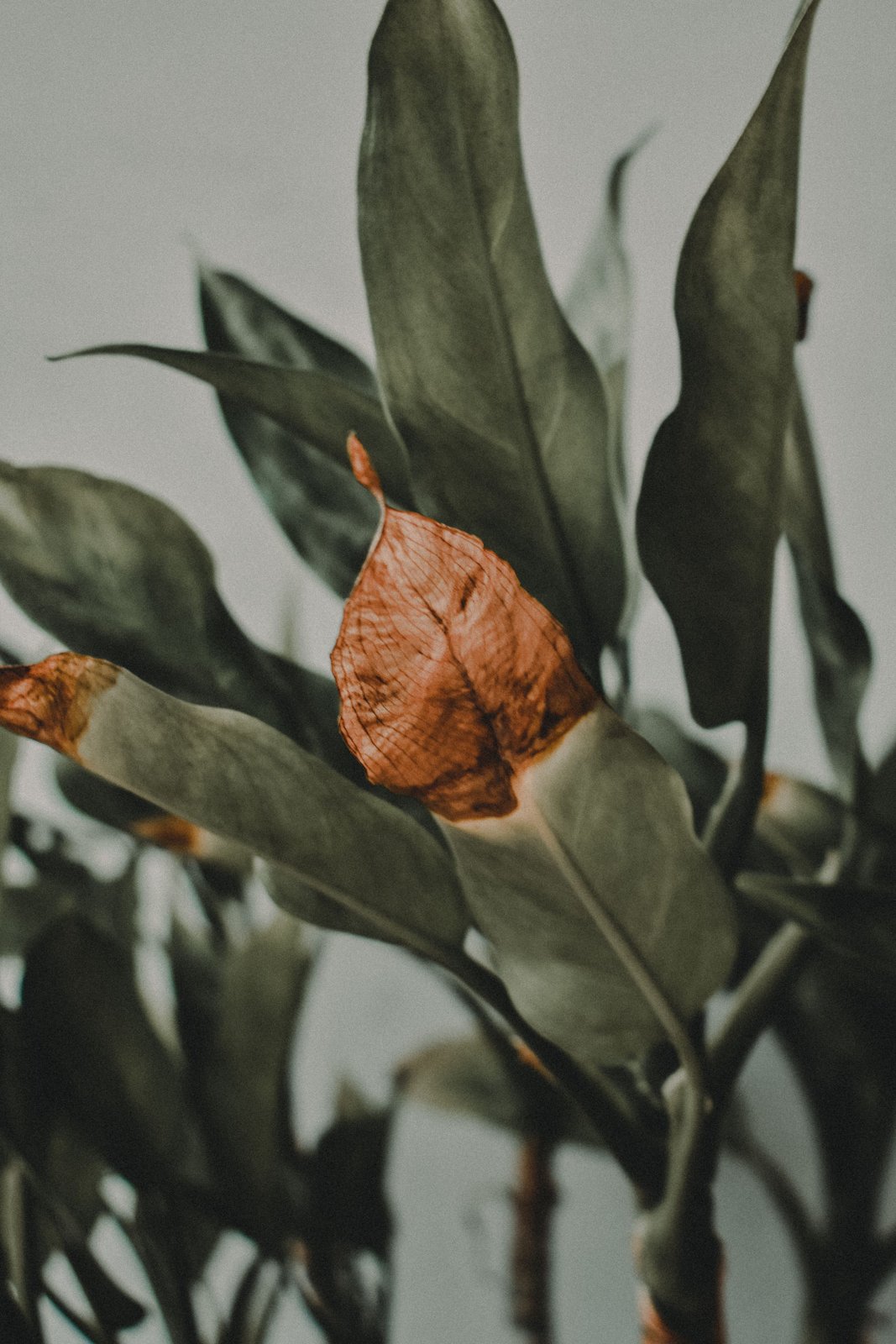
What causes brown tips and crispy edges?
Iowa State University Extension puts it plainly: "The most likely cause is low humidity." It adds three more suspects: inconsistent watering, excess salts from fertilizer, and "too much chlorine and other chemicals in the water, such as fluoride."
The University of California Integrated Pest Management (UC IPM) houseplant guide gives a similar list. It says brown tips or margins "are usually caused by overfertilization, salt buildup, or excessively dry or wet soil, but they may also result from too much sun or heat through a window, low relative humidity, or a drafty setting."
So the brown edge is a symptom with several possible causes. The sections below take them one at a time.
Is dry air browning my leaves?
Iowa State notes that home humidity "is often low, especially during the winter months." Its suggested fixes are a humidifier, a pebble tray, a terrarium, or grouping plants together "to allow their collective foliage to hold in more humidity." The University of Vermont (UVM) Extension winter care article and the Washington State University (WSU) Extension winter houseplant guide also cover raising humidity for houseplants in winter.
Penn State Extension adds a limit: "If the humidity in your home is comfortable enough for you, your plants should tolerate it throughout the winter. It is best to concentrate your efforts on key elements that are easier to control, such as light exposure and watering." If your air feels fine and only one plant browns, look at the other causes before buying a humidifier.
For more on heating season, see our winter care guide.
Is salt or fertilizer buildup to blame?
The Clemson University Home and Garden Information Center (HGIC) houseplant diseases and disorders fact sheet describes the clue: "White to grey crusty deposits on the soil surface or rim of pots is a sign of salt buildup." It also warns not to confuse this with "the white or yellow mold-like growth of saprophytic soil fungi."
Clemson lists these steps to decrease salt buildup:
- Use rainwater when possible
- Drench plants with water periodically to leach some of the salts from the potting soil
- Empty the water from the saucer under the plant
- Do not over-fertilize
- Remove salt crusts from the soil surface and add fresh soil to the pot
- Repot plants periodically in new potting soil
Iowa State agrees on fertilizer: excess salts "can build up in the soil when too much fertilizer is applied," so fertilize appropriately to prevent further browning.
Could uneven watering be the cause?
Iowa State says inconsistent watering, "in particular allowing plants to dry out too long between waterings, will cause leaf edges and tips to turn brown." UC IPM lists both "excessively dry or wet soil" as causes.
The fix is watering by the soil and the plant, never by the date. Our guide on how to tell if your plant needs water covers the finger test, pot weight and moisture meters. Grove builds each plant's care plan from its species and how you grow the plant. If the soil stays wet and the browning comes with soft stems or a sour smell, read about root rot.
Could my tap water be the problem?
The PNW handbook article on fluorine toxicity explains that "Many municipal water sources inject fluorine (at 1 ppm) as an additive to prevent tooth decay. Use of this water for irrigation can result in toxicity symptoms on sensitive plants." Fluoride "will move in the transpiration stream from roots or through stomata and accumulate in leaf margins," and typical injury on broadleaf plants is "marginal and tip necrosis that spread inward."
The handbook names Dracaena, Tahitian bridal veil and the spider plant among sensitive indoor foliage plants, and says both Dracaena deremensis and corn plant (D. fragrans) "are very sensitive to fluoride toxicity." Its remedies: avoid fluoridated water, high phosphate fertilizers and low soil pH, and know that "Treating fluoridated water with reverse osmosis, condensation, or charcoal can reduce this problem as well."
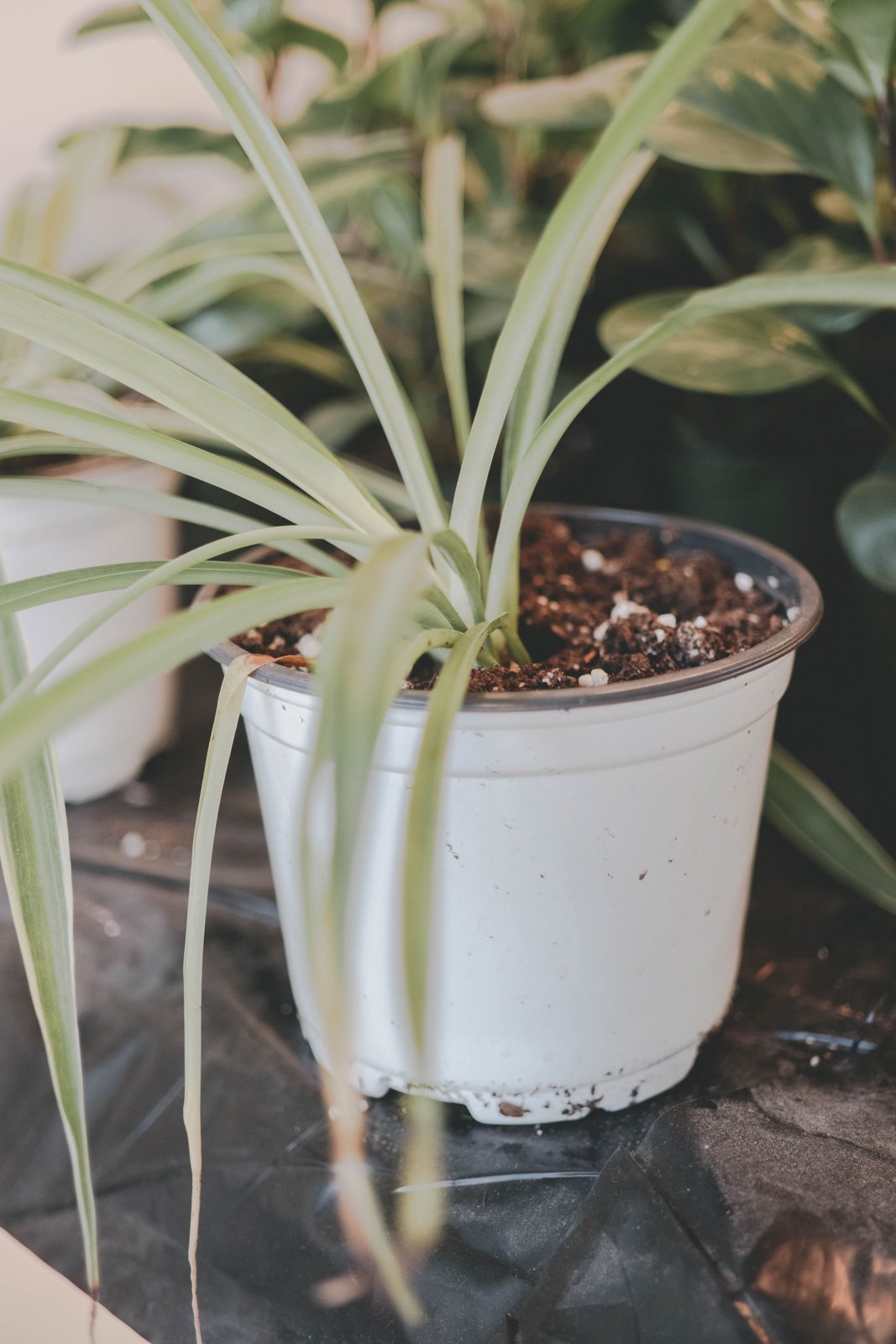
What about letting tap water stand? Clemson says some houseplants are sensitive to fluoride or chlorine and suggests letting water "stand at room temperature for 24 hours before use." The PNW handbook's fluoride remedies are reverse osmosis, condensation or charcoal treatment, or a different water source. Iowa State advises: "Use a different water source if this issue is suspected."
How do I match the brown to the cause?
| Cause | Where the brown shows | Other clues | Fix |
|---|---|---|---|
| Dry air | Tips first, on many plants at once | Heating on, crisp leaves, worse in winter | Humidifier, group plants, pebble tray |
| Salt or fertilizer buildup | Tips and margins | White or gray crust on soil or pot rim | Flush the pot, empty the saucer, feed less |
| Uneven watering | Tips and edges | Soil often bone dry, or often soggy | Water by soil feel and pot weight |
| Fluoride in tap water | Margins and tips, spreading inward | Sensitive plant, browning returns on new leaves | Rainwater, filtered or treated water |
| Sun or heat through glass | Patches on the side facing the window | Plant sits close to a bright, hot window | Move back from the glass or filter the light |
| Drafts | Edges on the side facing the draft | Near a door, vent or heater | Move the plant out of the airflow |
Sources for the table: Iowa State, UC IPM, Clemson HGIC and the PNW handbook.
Which plants brown most easily?
Iowa State says brown tips "are common on some species like spider plant and dracaena," and names "spider plant, ti plant, dracaena, prayer plant, and calathea" as species sensitive to chemicals in water.
| Plant | Main sensitivity | What to check first | Source |
|---|---|---|---|
| Spider plant | Fluoride and other water chemicals | Your water source | PNW handbook, Iowa State |
| Corn plant and other dracaenas | Fluoride | Your water source | PNW handbook, Iowa State |
| Ti plant | Water chemicals | Your water source | Iowa State |
| Prayer plant | Water chemicals | Your water source, then humidity | Iowa State |
| Calathea | Water chemicals | Your water source, then humidity | Iowa State |
| Tahitian bridal veil | Fluoride | Your water source | PNW handbook |
Should I cut off brown tips?
Iowa State says trimming the brown portions off with scissors "can improve appearance, but new browning will occur if the root cause is not addressed."
Could pests or disease be involved?
Clemson lists insect feeding among the causes of brown tips and margins. If you see fine pale dots or webbing under the leaves, read our guide to spider mites and thrips. If the brown appears as separate spots in the middle of the leaf, often with a yellow ring, see leaf spot. If the leaves are turning yellow, start with our yellow leaves guide.
Natural treatments for environmental browning are the fixes above: more humidity, flushing salts, a gentler water source and trimming for looks. Chemical treatments have no role for this kind of browning. No spray reverses salt damage or dry air, so save fungicides and insecticides for a confirmed pest or disease and follow the treatment sections on those pages.
Brown leaf FAQ
Will brown tips turn green again?
No. Trimming improves appearance, and Iowa State notes that new browning will occur if the root cause is not addressed.
Why do only the oldest leaves have brown tips?
Older leaves have had the most time to collect fluoride and salts. The PNW handbook describes fluoride as "an accumulative poison in plant foliage" and notes that accumulation "may be gradual over time."
Should I mist my plant to stop brown tips?
Penn State Extension says a rise in humidity after misting "only lasts until the water evaporates," which "can happen in a matter of minutes." A humidifier or grouping plants does more.
Is rainwater better for sensitive plants?
Clemson suggests rainwater when possible to reduce salt buildup, and the PNW handbook lists reverse osmosis, condensation and charcoal treatment for fluoride.
Can brown tips come from too much sun?
Yes. UC IPM lists "too much sun or heat through a window" among the causes.
Sources
- Why does my houseplant have brown leaf tips and edges? : Iowa State University Extension and Outreach
- Houseplant Problems : University of California Statewide Integrated Pest Management Program
- Houseplant Diseases and Disorders : Clemson University Home and Garden Information Center
- Fluorine Toxicity in Plants : Pacific Northwest Plant Disease Management Handbook
- Humidity and Houseplants : Penn State Extension
- Houseplant Care During Winter Months : University of Vermont Extension
- Winter Houseplant Care : Washington State University Extension