Winter houseplant care: light, water checks, dry air and drafts
Winter is a quiet season for most houseplants. Days are short, the sun sits low, and heated air turns dry. Your plants slow down to match, and a few small changes at home keep them comfortable until spring. This guide walks through light, water, humidity, cold drafts, winter pests and what changes from region to region across the United States and Canada.
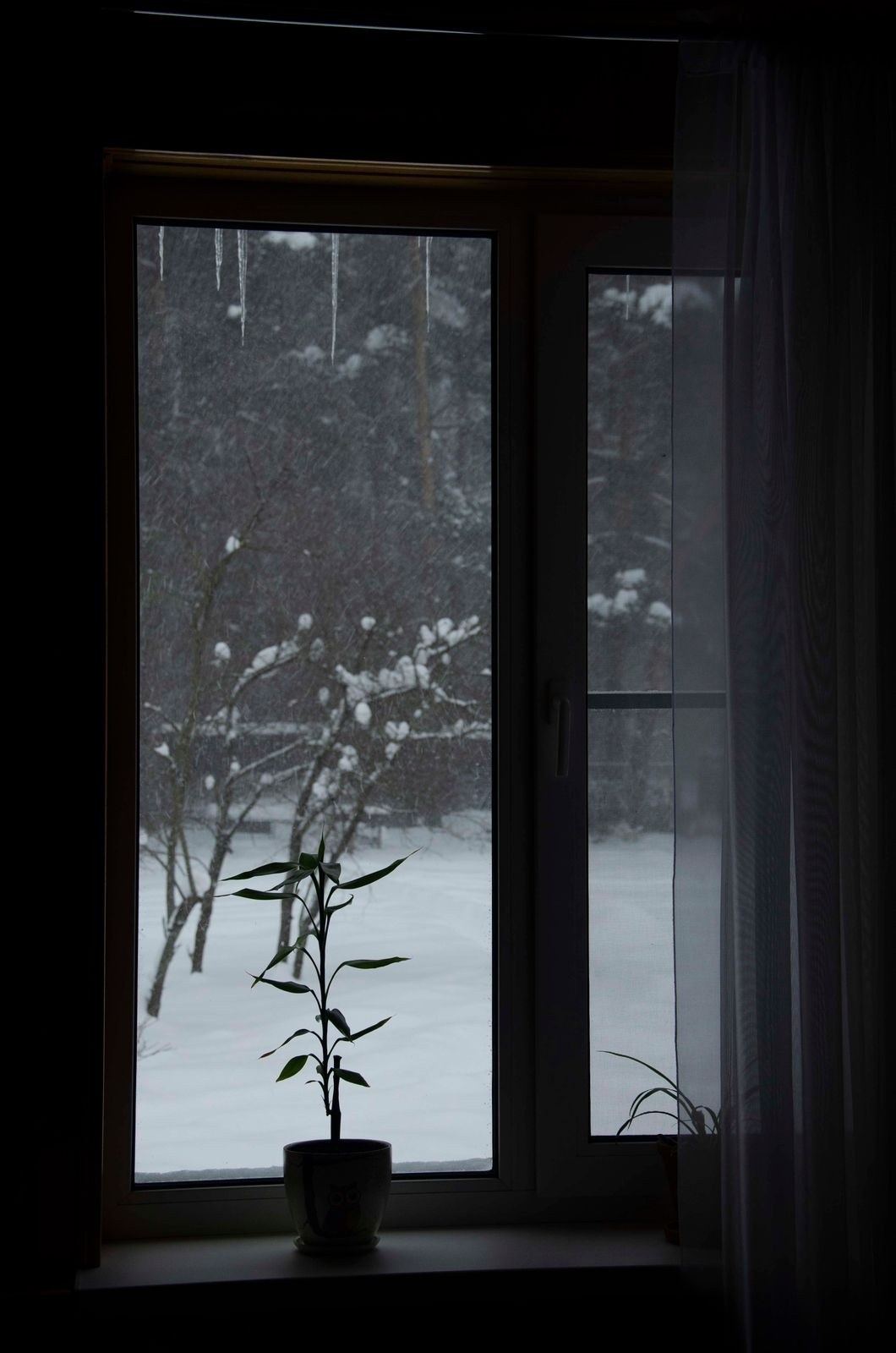
What changes for houseplants in winter?
University of Vermont (UVM) Extension explains that shorter days and weaker sun push many houseplants into quiescence, a resting state where growth slows almost to a stop.
University of Illinois Extension Garden Scoop calls light the biggest limit indoors in winter. A plant making less food drinks less, grows less and has little use for fertilizer.
How do I check for water in winter?
Illinois Extension reports that more houseplants die from overwatering in winter than from too little water. Feel the top 1 to 2 inches of soil before you water. When that layer feels dry, water; when it still feels cool and damp, wait and check again later.
University of Maryland (UMD) Extension names the habit of watering on a fixed day as a common winter mistake. Its advice is to let most of the soil dry until it feels like a freshly wrung out dish towel. UMD also points out that root rot can make a plant wilt while the soil is still wet, so a droopy plant in damp soil needs a look at the roots and no extra water.
For every way to check, from finger to pot weight to moisture meters, see our guide to telling when your plant needs water.
How do I give plants enough light on short days?
Illinois Extension notes that the low winter sun changes how light enters your home. WSU Extension suggests a simple hand shadow test: hold your hand above the plant around midday, and if it does not cast a clear shadow, the light is too low.
For plants that need more than a window can give, a grow light helps. The WSU Pacific Northwest Gardener's Handbook recommends light emitting diode (LED) fixtures and no more than 16 hours of light a day, since plants also need a dark period.
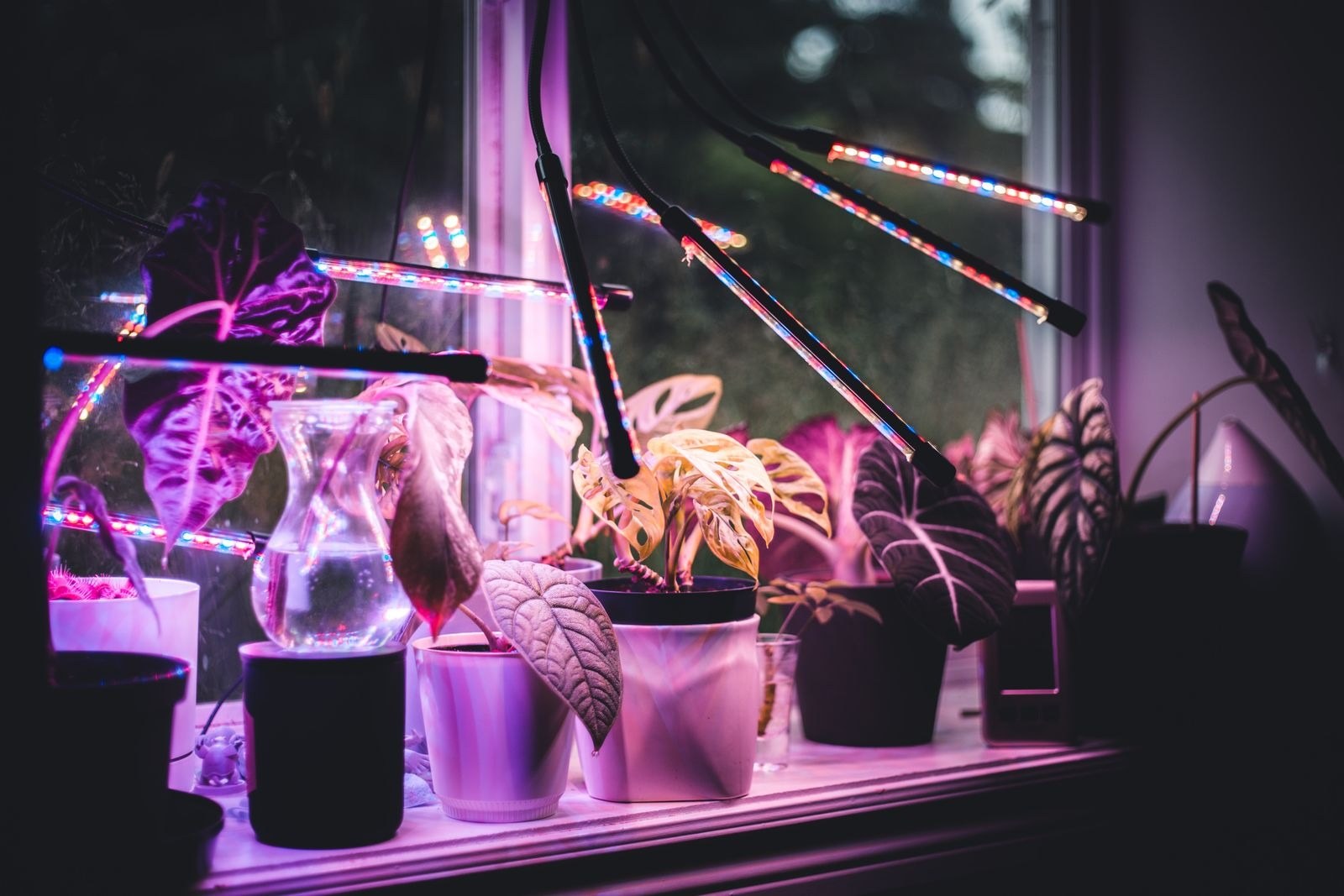
How short do the days get? These are daylight hours on December 21, calculated with the formula behind the National Oceanic and Atmospheric Administration (NOAA) Solar Calculator.
| City | Region | Daylight on Dec 21 |
|---|---|---|
| Miami | Southeast and Gulf | 10 h 31 min |
| Houston | Southeast and Gulf | 10 h 14 min |
| Atlanta | Southeast and Gulf | 9 h 55 min |
| Phoenix | Dry West | 9 h 56 min |
| Denver | Dry West | 9 h 21 min |
| Chicago | Northeast and Midwest | 9 h 07 min |
| Boston | Northeast and Midwest | 9 h 04 min |
| Toronto | Northeast and Midwest | 8 h 55 min |
| Seattle | Pacific Northwest | 8 h 25 min |
| Edmonton | Canada and far north | 7 h 28 min |
| Anchorage | Canada and far north | 5 h 27 min |
What does dry heated air do, and how do I help?
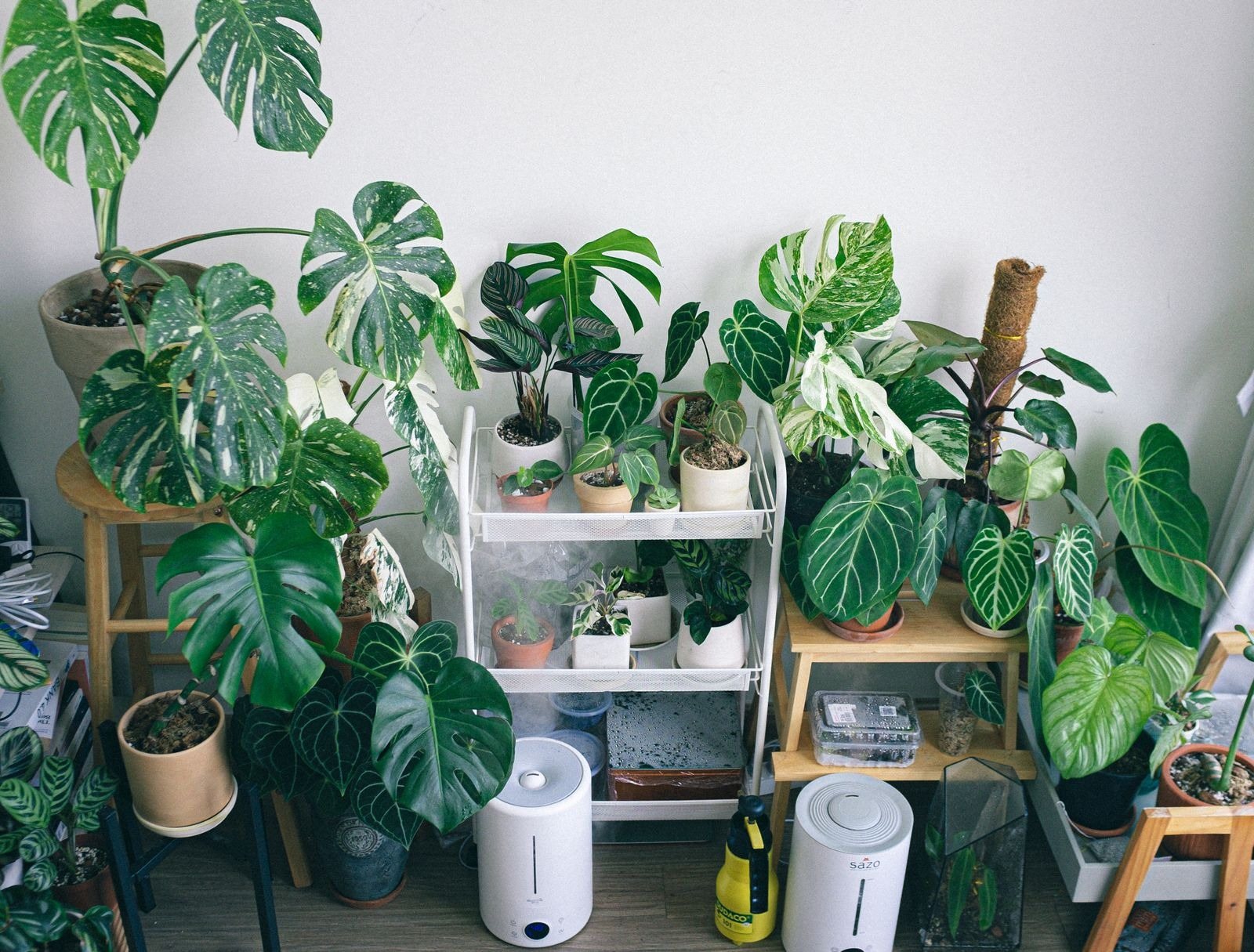
Illinois Extension says indoor relative humidity can fall below 20% in a heated home, while most houseplants prefer 40 to 50%. Penn State Extension cites the American Society of Heating, Refrigerating and Air-Conditioning Engineers (ASHRAE) range of 30 to 60% for people, and adds that if the air feels comfortable to you, most houseplants will cope. Penn State also notes that misting raises humidity for only minutes.
What helps:
- A room humidifier near your plants, the most effective fix
- Grouping plants together so they share the moisture they release (UVM, WSU)
- Pebble trays filled with water that stays below the bottom of the pot
- Keeping plants away from woodstoves and heat registers (UVM)
How do I protect plants from cold glass, drafts and heat vents?
Oregon State University (OSU) Extension recommends keeping leaves from touching cold glass and moving plants away from heating vents and fireplaces. The University of California Integrated Pest Management (UC IPM) program explains that many tropical houseplants suffer chilling injury below 50°F.
On very cold nights, slide plants back from the window or close a curtain between plants and glass. The University of Arizona Extension suggests shades, curtains or a little more distance from the window to protect plants from cold drafts at night, and advises never placing plants near heat registers or fireplaces.
Holiday poinsettias are a good example: they drop leaves after a cold draft or a blast of heat from a vent. Our poinsettia care card covers where to put one and how to keep it going after the holidays.
Is my plant dormant or dying?
UVM Extension notes that alocasias and caladiums may lose their leaves in winter and sprout again in spring.
To tell rest from real trouble, check:
- Stems and crown feel firm, with no soft or mushy spots
- Roots look white or tan and smell earthy when you slide the plant from the pot
- The soil dries out between waterings
Brown, mushy roots with a sour smell point to root rot, covered in our root rot guide.
Which pests show up in winter, and how do I treat them?
The UC IPM spider mite guide explains that mites thrive on dusty, water stressed plants in hot, dry conditions, which describes many heated homes. Look for fine speckling on leaves and thin webbing under them. Fungus gnats breed in damp soil, so overwatering invites them; our fungus gnat guide covers them in depth. Our spider mite and thrips guide covers mites and thrips in depth.
Natural remedies
- Rinse leaves in the shower or wipe them with a damp cloth to knock mites off
- Isolate an infested plant from the rest
- Quarantine new plants for a few weeks before they join the group
- Let the top of the soil dry out to break the fungus gnat cycle
- Use products with Bacillus thuringiensis subspecies israelensis (Bti), a naturally occurring bacterium that UC IPM notes can control fungus gnat larvae
Chemical remedies
- Insecticidal soaps (potassium salts of fatty acids) kill mites and soft bodied insects on contact, as described by Colorado State University (CSU) Extension
- Neem oil works mainly through azadirachtin, which repels insects and disrupts their feeding and growth; the National Pesticide Information Center (NPIC) neem fact sheet rates it practically non-toxic to mammals but reports harmful reactions in cats treated with neem oil, so keep cats away from treated plants
- Spinosad products control thrips, leafminers and spider mites, according to the NPIC spinosad fact sheet, which rates spinosad low in toxicity to people and other mammals
- Pyrethrins come from chrysanthemum flowers and are toxic to insects; the NPIC pyrethrins fact sheet notes they are highly toxic to honey bees and that dogs given very large doses showed drooling and tremors, so follow the label closely around pets
Always follow the product label. Spray outdoors or in a garage when weather allows, test on a few leaves first, and keep pets and children away until the leaves are dry. UC IPM advises choosing a product labeled for indoor use on your plant and your pest, and saving pesticides for when other steps have failed.
Should I fertilize or repot in winter?
UVM Extension recommends skipping fertilizer and repotting in winter. Illinois Extension Good Growing agrees and suggests waiting until spring to feed again.
What changes where I live?
The United States Department of Agriculture (USDA) Plant Hardiness Zone Map shows the average coldest winter temperature outdoors. Indoors, your zone matters mainly for cold glass, drafts and plants that spend summer outside. Illinois Extension suggests bringing those plants in once nights stay below 55°F.
Southeast and Gulf. Winters are mild and days stay longest, but cold snaps still arrive. University of Florida Institute of Food and Agricultural Sciences (UF/IFAS) Solutions for Your Life warns that a sudden freeze after warm weather does the most damage and that cold injury to container plants is common. The UF/IFAS Pinellas County Extension blog suggests moving sensitive container plants indoors when nights reach the low 40s, even when no freeze is forecast.
Pacific Northwest. Seattle's winter days are the shortest of the lower 48 cities in the daylight table above, about 8 hours 25 minutes on December 21, and Portland gets about 8 hours 42 minutes (NOAA). OSU Extension notes that "South-facing windows get the most intense sun," while "North-facing windows provide low light." The WSU Pacific Northwest Gardener's Handbook adds that eastern and western exposures "receive about 60% of the intensity of a southern exposure," and northern exposures 20%. It also says "You can compensate for low light intensity by increasing the light duration," which is where a grow light on a timer helps. In winter, OSU advises watering lightly "only when the potting mix is dry." For dark homes, OSU lists pothos, snake plant and lucky bamboo for low light.
Region guides:
- Northeast and Midwest, with a section for Canada and the far north
- Dry West, covering the desert Southwest and Mountain West
For Canadian homes, Health Canada recommends keeping indoor humidity between 30 and 50% and notes that high humidity can lead to mold, so aim for that range when you run a humidifier for your plants.
How does Grove help in winter?
Grove builds a care plan from your plant's species and how you grow the plant. The watering task is a check that asks whether the plant needs water today, so a slower winter plant gets more answers of wait.
Winter care FAQ
Should I water less in winter?
Most plants need water less often in winter, and the soil check tells you when. Feel the soil first and water when the top inch or two is dry.
Can I use ice cubes to water in winter?
The Conversation lists ice cube watering among misguided plant health trends on social media. Illinois Extension recommends room temperature water.
Sources
- Houseplant Care During Winter Months : University of Vermont Extension
- How to overwinter house plants : University of Illinois Extension, Garden Scoop
- Tips for moving houseplants indoors and overwinter care : University of Illinois Extension, Good Growing
- Watering houseplants : University of Illinois Extension
- Winter Indoor Plant Problems : University of Maryland Extension
- Winter Houseplant Care : Washington State University Extension
- Chapter 14: Houseplants : Washington State University Extension, Pacific Northwest Gardener's Handbook
- Solar Calculator : National Oceanic and Atmospheric Administration Global Monitoring Laboratory
- Humidity and Houseplants : Penn State Extension
- Set houseplants up for success : Oregon State University Extension
- Indoor Plant Selection and Care : University of Arizona Cooperative Extension
- Houseplant Problems and Spider Mites : University of California Statewide Integrated Pest Management Program
- Insect Control: Soaps and Detergents : Colorado State University Extension
- Neem Oil, Spinosad and Pyrethrins : National Pesticide Information Center
- USDA Plant Hardiness Zone Map : United States Department of Agriculture Agricultural Research Service
- Winter Plant Protection : University of Florida IFAS Solutions for Your Life
- Don't Let Your Plants Catch a Chill : UF/IFAS Extension Pinellas County
- Healthy home guide : Health Canada
- 4 misguided plant health trends on social media : The Conversation