Best plants for kokedama: what grows well in a moss ball
The best kokedama plants are small houseplants that cope with drying out a little between drinks. Ferns, dracaena, philodendron and pothos are the most recommended, with spider plant, peperomia, begonia, anthurium and small orchids close behind, and small succulents for brighter spots. Pick for the light you have, and check pet safety before you choose: the friendliest picks for homes with cats or dogs are spider plant, Boston fern, peperomia, African violet and moth orchids.
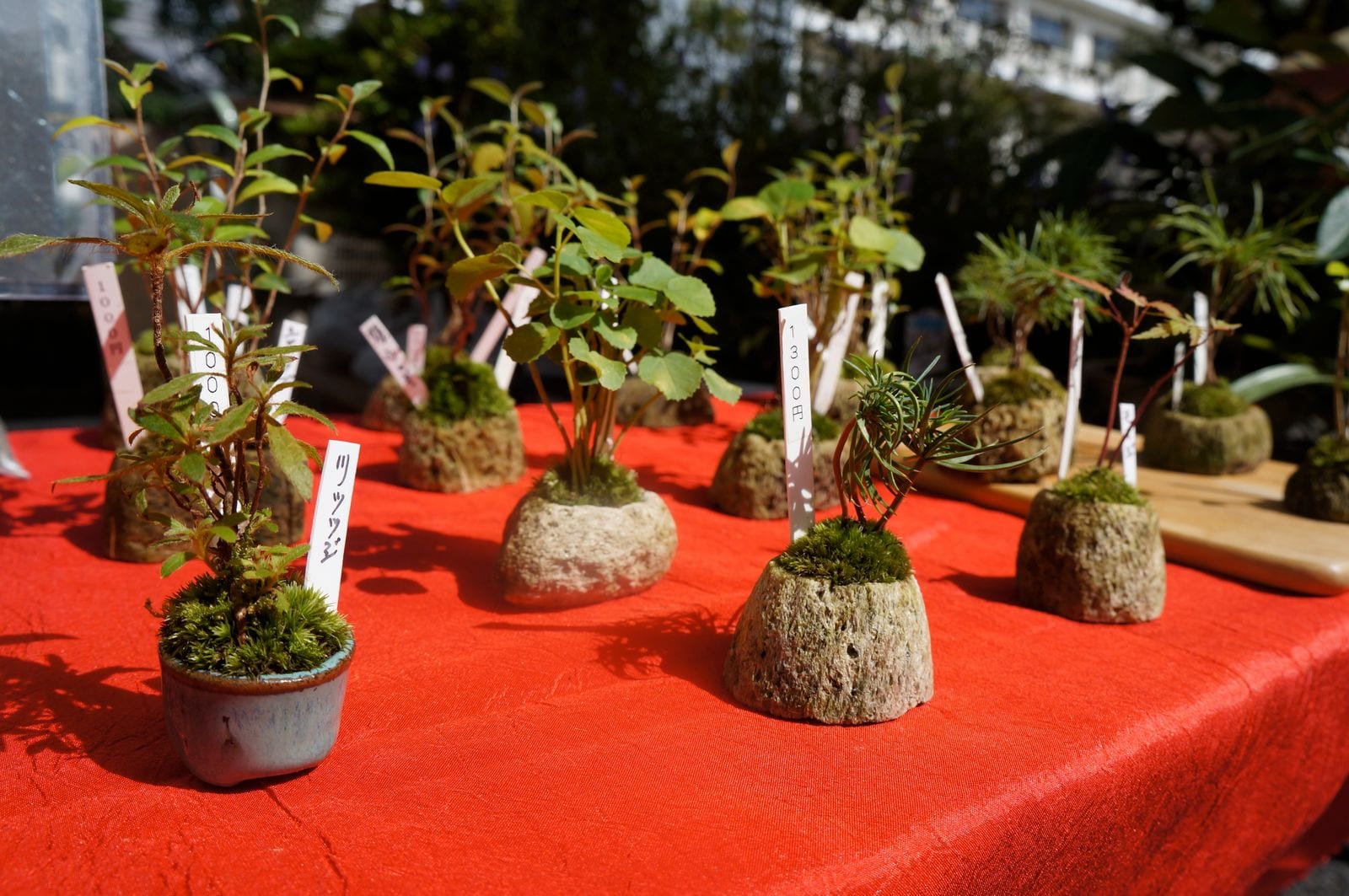
What makes a plant good for kokedama?
Read moreShow less
A moss ball dries from every side, so the guides look for plants that forgive that. University of Illinois Extension and Penn State Extension both pick plants that can grow in drier conditions. Missouri Botanical Garden suggests plants with small root systems or slow growth, since the ball holds only a little soil.
Light matters as much as the plant. Brooklyn Botanic Garden says almost any houseplant works if it suits the light in your space, and Illinois and UF/IFAS give the same advice. Our guide to reading the light in your home helps you match the two.
Which kokedama plants do well in lower light?
These are the plants the guides put in their shade or lower-light groups, and how many of the organizations we checked name each one:
| Plant | Named by | Pets |
|---|---|---|
| Ferns | Illinois, Brooklyn, UF/IFAS, Missouri | Boston fern safe; asparagus fern toxic |
| Dracaena | Illinois, Brooklyn, UF/IFAS, Missouri | Toxic |
| Pothos | Brooklyn, Penn State, Missouri | Toxic |
| Philodendron | Illinois, Brooklyn, Missouri | Toxic |
| Begonia | UF/IFAS, Missouri | Toxic |
| African violet | UF/IFAS, Missouri | Safe |
| Peperomia | Missouri | Safe |
| Prayer plant | Missouri | Not rated (see the pet table) |
| Creeping fig | Missouri | Toxic |
Brooklyn Botanic Garden singles out pothos and philodendron for a dark apartment. They are also the two the UF/IFAS kokedama activity tells you to avoid where pets or children might chew them, because both are toxic. In a home with pets, a Boston fern, peperomia or African violet does the same job safely.
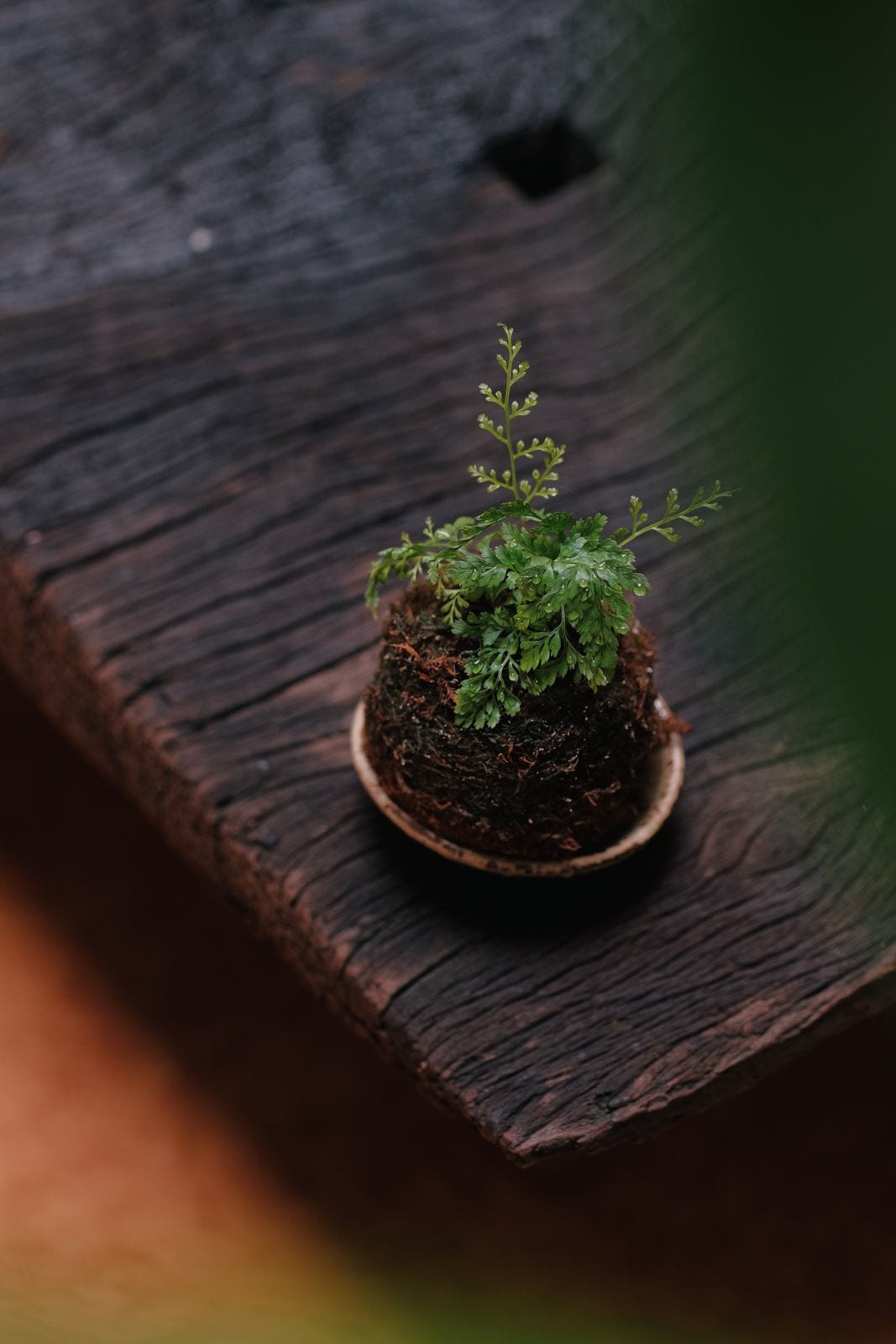
Which kokedama plants like bright light or some sun?
Missouri Botanical Garden lists a group for part sun to sun: kalanchoe, aloe, string of beads, wax plant (hoya), Christmas cactus, burro's tail and herbs such as basil and thyme. Illinois Extension and Penn State add succulents in general, and Illinois notes they need less water than leafy plants. Illinois also names spider plants among its picks.
| Plant | Named by | Pets |
|---|---|---|
| Small succulents | Illinois, Penn State, Missouri | Depends on the plant (see the pet table) |
| Spider plant | Illinois | Safe |
| Wax plant (Hoya) | Missouri | Safe |
| Christmas cactus | Missouri | Safe |
| Burro's tail | Missouri | Safe |
| Kalanchoe | Missouri | Toxic |
| Aloe | Missouri | Toxic |
| String of beads | Missouri | Toxic |
| Basil and thyme | Missouri | Safe |
There is a catch for sun lovers. Illinois Extension warns that full sun dries a moss ball too quickly, so even these do better in bright light with only gentle direct sun. Check the ball's weight more often in a bright window.
Can I make a kokedama with an orchid?
Read moreShow less
Orchid roots want air, so the build is different. Longwood Gardens wraps the roots around a small pouch of orchid mix, covers them in damp sphagnum moss, then adds sheet moss and twine, and it says orchids do best without akadama. Our how to make a kokedama guide walks through it.
Neither source names the kind of orchid. The moth orchid (Phalaenopsis) is the most common houseplant orchid, and the ASPCA lists it as non-toxic to cats and dogs. Our orchid section covers its care.
Can I use bulbs or seasonal plants?
Read moreShow less
Penn State Extension makes amaryllis kokedama for the holidays and warns that a soggy moss ball pressed against the bulb can rot it, so water should reach the roots and leave the bulb dry. It adds that a bulb in a moss ball won't grow as tall or as strong as one in a pot. The UF/IFAS spring activity sets tulip and hyacinth kokedama in glass vases.
UF/IFAS notes that these bulbs and cyclamen contain toxins and shouldn't be eaten. The ASPCA lists amaryllis and cyclamen as toxic to cats and dogs, so treat a bulb kokedama as a display kept well out of reach.
Which kokedama plants are safe for cats and dogs?
"Safe for cats and dogs" means the ASPCA lists the plant as non-toxic. When the ASPCA has no listing, NC State Extension's listing counts, and any reputable toxic listing makes a plant toxic. Every plant this page names:
| Plant | Cats and dogs |
|---|---|
| Spider plant | Safe for cats and dogs (ASPCA) |
| Boston fern | Safe for cats and dogs (ASPCA) |
| Peperomia (several species) | Safe for cats and dogs (ASPCA) |
| African violet | Safe for cats and dogs (ASPCA) |
| Wax plant (Hoya carnosa) | Safe for cats and dogs (ASPCA) |
| Moth orchid (Phalaenopsis) | Safe for cats and dogs (ASPCA) |
| Christmas cactus | Safe for cats and dogs (ASPCA) |
| Burro's tail | Safe for cats and dogs (ASPCA) |
| Norfolk Island pine | Safe for cats and dogs (ASPCA) |
| Basil and thyme | Safe for cats and dogs (ASPCA) |
| Pothos | Toxic (ASPCA) |
| Philodendron | Toxic (ASPCA) |
| Peace lily | Toxic (ASPCA) |
| Anthurium | Toxic (ASPCA) |
| Dracaena | Toxic (ASPCA) |
| Begonia | Toxic (ASPCA) |
| Cyclamen | Toxic (ASPCA) |
| Amaryllis | Toxic (ASPCA) |
| Creeping fig | Toxic (ASPCA, all Ficus; NC State) |
| Kalanchoe | Toxic (ASPCA) |
| Aloe | Toxic (ASPCA) |
| String of beads | Toxic (NC State) |
Two plants named in kokedama guides aren't rated here. The ASPCA files its prayer plant entry under Calathea insignis, and its Jacob's ladder entry is Smilax herbacea, a different plant from the garden Jacob's ladder, so neither listing settles the plant you'd buy. Ferns are a mixed group too: asparagus fern, which UF/IFAS uses, is toxic to cats and dogs. Our pet-safe plants guide has more choices.
If your pet chewed a plant and seems unwell, call your veterinarian or the ASPCA Animal Poison Control Center at (888) 426-4435 (a consultation fee may apply).
Which plants make a poor kokedama?
Read moreShow less
Missouri Botanical Garden's advice to choose small or slow-growing roots also says what to skip: a plant that will fill the ball fast needs a bigger ball or a pot sooner. Missouri also finds kokedama with outdoor plants harder, because of frequent watering and winter care.
Goldcrest cypress is a common question. The RHS and NC State Extension describe it as a tree for full sun, while Illinois Extension warns that full sun dries a moss ball too quickly. None of the kokedama guides we checked uses it. The ASPCA doesn't list it, and NC State notes its needles are slightly toxic to livestock, so it gets no pet-safe label.
How does Grove help with kokedama plants?
Read moreShow less
Grove builds each plant's care plan from its species, how you grow the plant, and whether it lives indoors or outdoors. Kokedama is one of the methods you can pick, and the species still shapes the plan: a succulent ball gets fewer watering checks than a fern ball. Not sure what you have? A photo gives a first suggestion you can correct.
Frequently asked questions (FAQ)
Can a spider plant be a kokedama?
Yes. Illinois Extension names spider plants among its kokedama picks, and the ASPCA lists the spider plant as non-toxic to cats and dogs, which makes it one of the safest choices for a home with pets.
Is anthurium good for kokedama?
Brooklyn Botanic Garden counts anthurium among its favorites, and the UF/IFAS spring activity uses it too. The ASPCA lists anthurium as toxic to cats and dogs, so hang it out of reach.
What about a peace lily?
Brooklyn Botanic Garden likes peace lilies as kokedama, while the UF/IFAS activity tells you to avoid them where pets or children might chew, because they are toxic. Both are right: it works as a plant, so the choice depends on who shares your home.
Can I use herbs?
Missouri Botanical Garden lists basil, thyme and other herbs for a sunny kokedama. Herbs want more light than most houseplants, so a bright window matters, and the ball will need checking often.
Sources
- Give houseplants new life with DIY kokedama moss balls and Kokedama fact sheet (PDF) : University of Illinois Extension
- DIY Kokedama: Japanese-Style Houseplant Display With Moss Balls : Brooklyn Botanic Garden
- The Art of Kokedama : Penn State Extension
- Earth Day Hanging Kokedama (PDF) and Spring Kokedama in Vases (PDF) : UF/IFAS Therapeutic Horticulture
- The Art of Kokedama, orchid activity (PDF) : Longwood Gardens
- How to Make a Kokedama : Missouri Botanical Garden
- Hesperocyparis macrocarpa 'Goldcrest' : Royal Horticultural Society
- Hesperocyparis macrocarpa, Ficus pumila and Curio rowleyanus : NC State Extension Plant Toolbox
- Toxic and Non-Toxic Plant List and the plant pages linked in the table : ASPCA