Plant care card
Chrysanthemum
Chrysanthemum × morifolium · Crisantemo
Also called mum, garden mum, florist mum or potted mum
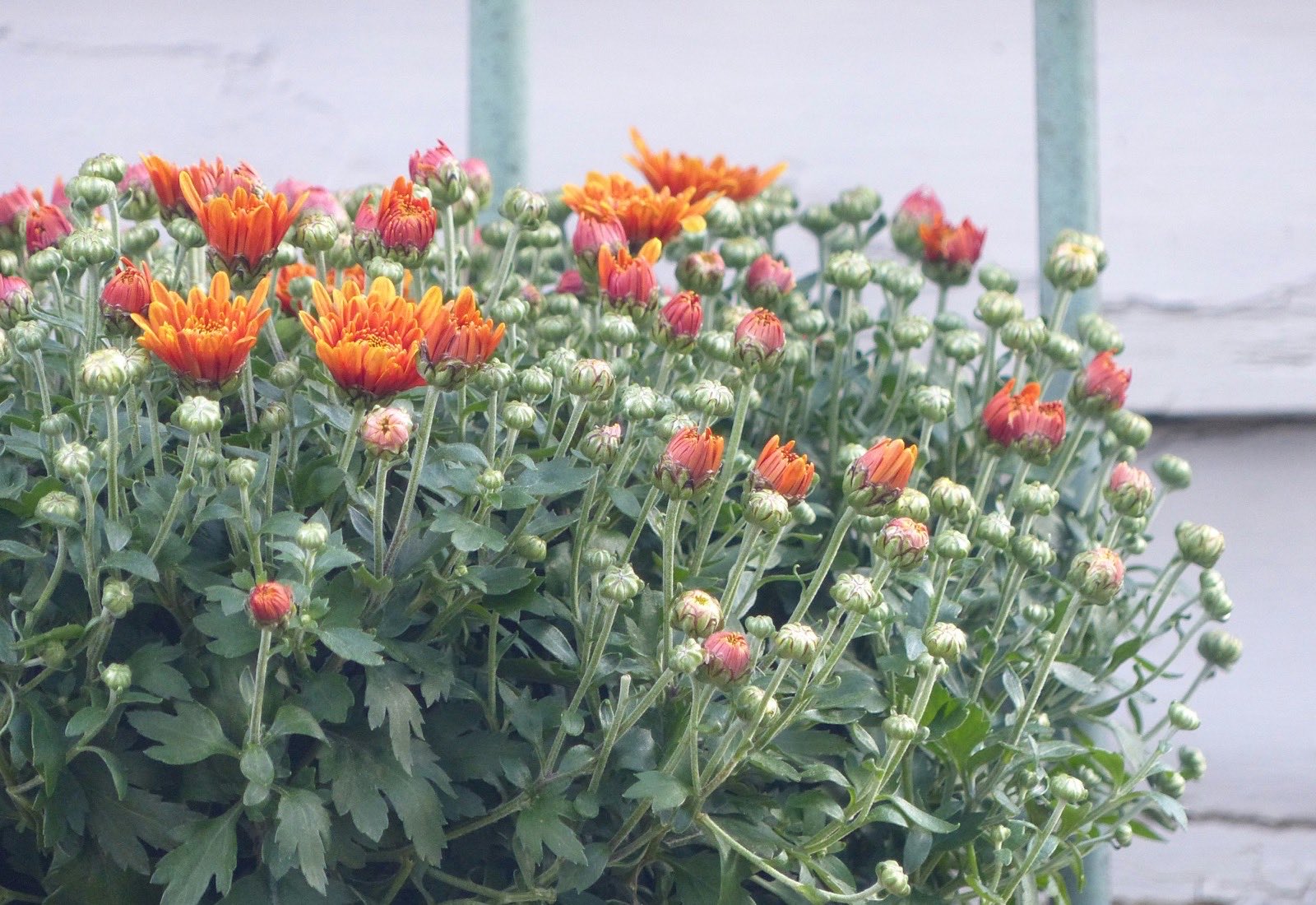
Photo by Liz Joseph on Unsplash
A potted mum stays pretty for weeks if you give it bright light, keep it cool, and keep the soil moist so it never wilts. Mums drink a lot, and a dry pot droops fast. Most gift mums are florist mums, grown for one show of flowers. Garden mums are tougher and can come back each fall in USDA zones 5 to 9, especially when planted early.
Toxic to cats, dogs and horses · Moderate
Vomiting, diarrhea, drooling, loss of coordination and skin irritation. NC State rates the poison severity as low; the ASPCA also lists loss of coordination. Children: low severity. Can upset the stomach if eaten; the leaves can cause a mild skin rash in sensitive people.
Pet poison line: ASPCA (888) 426-4435
Good for: fall color on porches and patios, a few weeks of indoor color · Think twice if: pets chew plants, you expect a gift mum to come back next year.
Needs at a glance
- Light3 of 4 · Bright lightA bright window indoors; full sun, 6+ hours, outdoors
- Water3 of 3 · Keep moistWater when the surface feels dry, and never let it wilt
- Humidity1 of 3 · AverageA normal home is fine; avoid hot, dry spots near heaters
- Soil when pottedRich, well-drained mixHigh in organic matter, never soggy
Indoors: best at 60 to 70°F (16 to 21°C). Keep it above 32°F (0°C) and away from drafts and heat vents.
How the rating adds up
0 = easiest · 1 = moderate · 2 = hardest
- Missed waterings2 of 2 · HardestWilts fast when the soil dries
- Light flexibility2 of 2 · HardestNeeds bright light; full sun outdoors
- Humidity0 of 2 · EasiestNo extra humidity needed
- Pests and disease1 of 2 · ModerateAphids, spider mites; mildew and leaf spots
- Sensitivity to change1 of 2 · ModerateHeat and dry air shorten bloom; frost kills buds
Growing outdoors
All year: USDA zones 5 to 9, where the coldest winter nights average −20°F (−29°C) or warmer.
Elsewhere: summer outside in full sun, 6+ hours. Bring it in before nights drop below 32°F (0°C).
- In the ground (garden mums)
- Containers
- Borders and beds
- Deer resistant
Sources: NC State, UNH, Clemson, UGA, Penn State, Iowa State, Wisconsin, ASPCA, Virginia Tech, USDA zone map and USDA PLANTS. Full list below.
Verified · How we rate plants
Are mums poisonous to cats, dogs and children?
Yes. The ASPCA lists chrysanthemums as toxic to cats, dogs and horses. Eating the plant can cause vomiting, diarrhea, drooling and loss of coordination, and contact can irritate the skin. NC State Extension rates the poison severity low; the card says moderate because the ASPCA's list includes loss of coordination. In people, eating it can upset the stomach, and handling the leaves can give sensitive people a mild rash. Keep it where pets and small children can't chew it. If a pet eats some and seems unwell, call your vet or the ASPCA Animal Poison Control Center at (888) 426-4435.
How often should I water a potted mum?
Often. Mums use a lot of water, and the soil needs to stay moist so the plant doesn't wilt. Check the pot often, and water when the surface feels dry, until water runs out the bottom. If the pot sits in foil or a decorative cover, take it out to water in the sink, let it drain, then put it back, so the roots never sit in water.
How much light does a mum need?
Indoors, set it near a bright window, out of hot direct sun, to make the flowers last. Outdoors, mums want full sun, at least 6 hours a day. In shade they get leggy and bloom poorly. Keep porch mums away from bright night lights too, since light during the long nights of fall can delay new buds.
What temperature does a potted mum like?
Cool. Indoors, 60 to 70°F (16 to 21°C) keeps the flowers going longest, and nights around 60 to 65°F help most. Keep it away from heaters, since hot, dry air shortens bloom time. On a porch, bring it in before nights drop below 32°F (0°C): frost kills florist mums and their buds.
Why is my mum wilting or turning brown?
Thirst is the usual reason for wilting: mums need a lot of water, so check the soil first and water if it's dry. Fine yellow speckles, dusty-looking leaves or webbing point to spider mites, which build up in hot, dry weather. Curled new growth and sticky leaves point to aphids. And a florist mum simply finishes after 3 to 4 weeks of bloom, so fading flowers at that point are normal. Picking off spent blooms keeps it looking tidy.
UNH, Clemson, UGA, Penn State
Is my mum a florist mum or a garden mum?
They're the same species, bred for different jobs. Florist mums (pot mums) are greenhouse varieties sold in bloom all year, often as gifts. Most large-flowered mums are greenhouse grown. They aren't bred for cold, so frost kills them. Garden mums are sold in fall and are perennials that can survive winter. Florist mums also need longer nights to bloom, so outdoors in the north, frost often arrives before their buds open.
Can I plant my mum in the ground after it blooms?
A garden mum, yes, and earlier is better. Planting in spring gives the best odds. If you plant in fall, do it by late August or early September, since a mum that's busy blooming makes few roots. Leave the old stems standing over winter, and add 3 to 4 inches of straw or pine needles after the first hard frost. A florist mum rarely survives: Iowa State and Utah State say most die in their first winter outdoors. Enjoy it for its few weeks of color, then compost it. A garden mum still in its pot can spend winter in an unheated garage or basement corner that doesn't freeze, then go in the ground in spring.
Illinois, Virginia Tech, Iowa State, Utah State, Wisconsin, UGA
Should I deadhead or pinch my mum?
Deadhead a blooming mum: snipping off faded flowers keeps it tidy and helps the rest of the show last. Pinching is for garden mums in spring. When new shoots reach about 6 inches, pinch off the top half inch or so, and repeat 2 or 3 times for a bushier plant with more flowers. Stop by early July, because later pinches remove the fall flower buds.
Can mums grow outdoors all year?
Garden mums can, in USDA zones 5 to 9, where the coldest winter nights average −20°F (−29°C) or warmer. Hardiness varies by cultivar, and shallow roots can heave out of the ground in freeze and thaw cycles, so winter mulch matters in the colder zones. Florist mums are not cold hardy anywhere frost reaches them. Garden mums spread over the years: divide them in spring every year or few years to keep them blooming well. Deer and rabbits tend to leave them alone.
NC State, Clemson, Virginia Tech, Iowa State, Illinois, USDA zone map
How Grove helps
Grove sets a watering check based on how dry the soil is, so whoever is home catches a dry pot before the mum wilts. You can add deadheading as a weekly task and assign it, and for a garden mum, set spring pinching reminders that stop in early July.
Sources
- NC State Extension Gardener Plant Toolbox: Chrysanthemum × morifolium
- UNH Extension: Care of Flowering Gift Plants in the Home
- Clemson HGIC: Chrysanthemums, How to Grow Garden Mums in South Carolina
- UGA Extension Circular 951: Care of Holiday and Gift Plants (2026)
- Penn State Extension Master Gardeners: November Birth Flower, Chrysanthemum (2021)
- Iowa State Extension: I received a potted, flowering mum as a gift. How do I care for it? (2024)
- UW-Madison Extension: Mum's the Word for Fall Flowers (2025)
- Clemson HGIC 2101: Chrysanthemum Diseases and Insect Pests
- Iowa State Extension: Growing Chrysanthemums in Iowa (2025)
- ASPCA Animal Poison Control: Chrysanthemum
- Virginia Cooperative Extension: Overwintering Mums
- USDA ARS Plant Hardiness Zone Map (2023)
- USDA PLANTS Database: Chrysanthemum ×morifolium (CHMO14)
- Iowa State Extension: Can I plant a florist mum outdoors? (2024)
- University of Illinois Extension: Why do my mums always die? (2021)
- NC State Extension, Lee County: Mum's the Word (2022, updated 2025)
- Penn State Extension: Chrysanthemum Care
- Utah State University Extension: Growing Chrysanthemums in the Home Garden