Thanksgiving host and hostess gifts: 8 plants that outlast the pie
Eight plants for the host, with the pet-safe ones marked.
By the Grove Plant Care team · Updated November 8, 2026
A pie gets eaten and a bottle gets opened, but a plant is still on the windowsill in spring, which makes it a host gift with staying power. Look for one that's safe for the host's pets, already in bloom or close to it, and easy enough to keep going after the dishes are done.
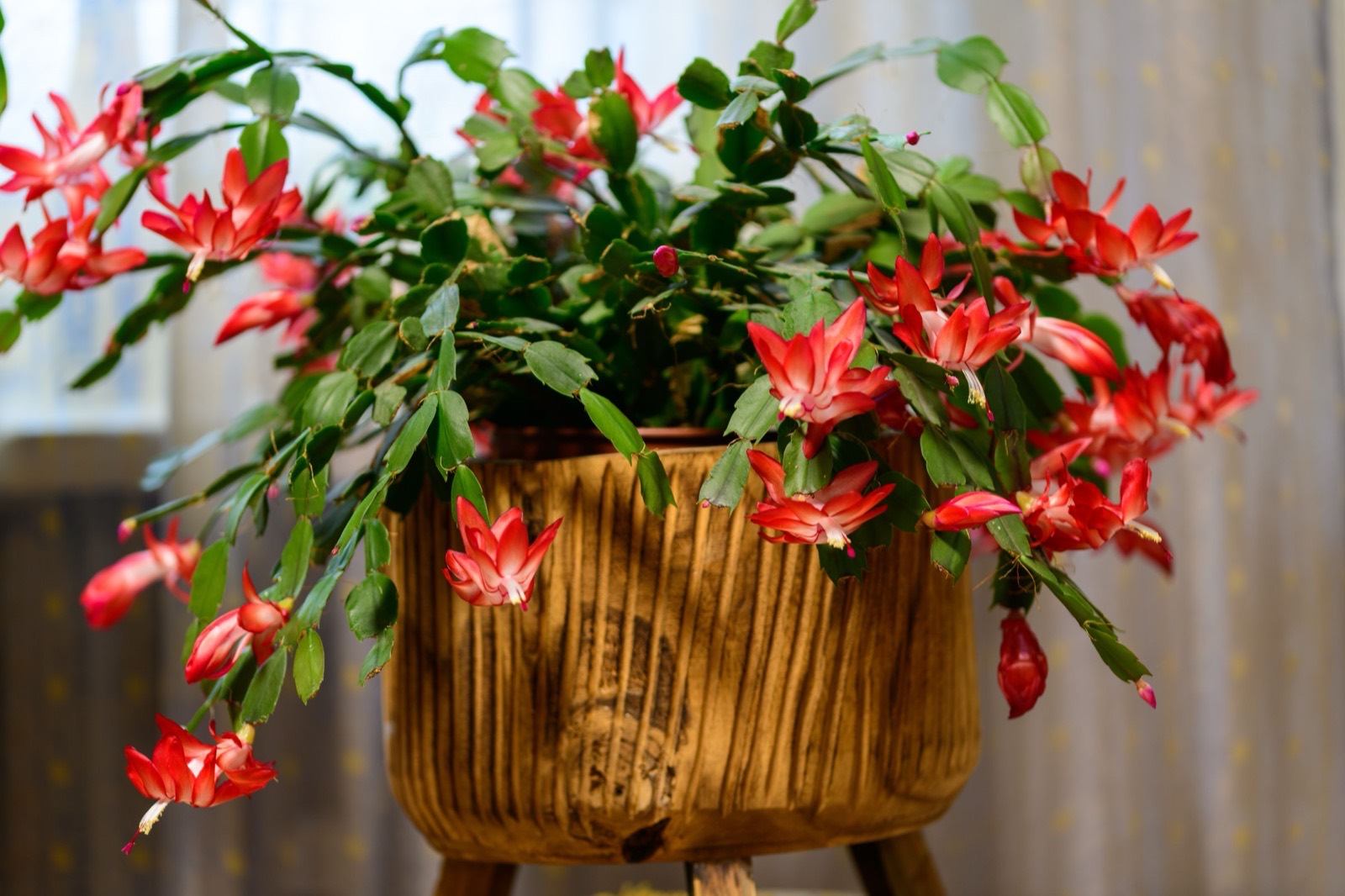
The only plant here named for the holiday, and it is usually in bloom right on cue. Give it long, dark nights in early fall and it can bloom again next November.
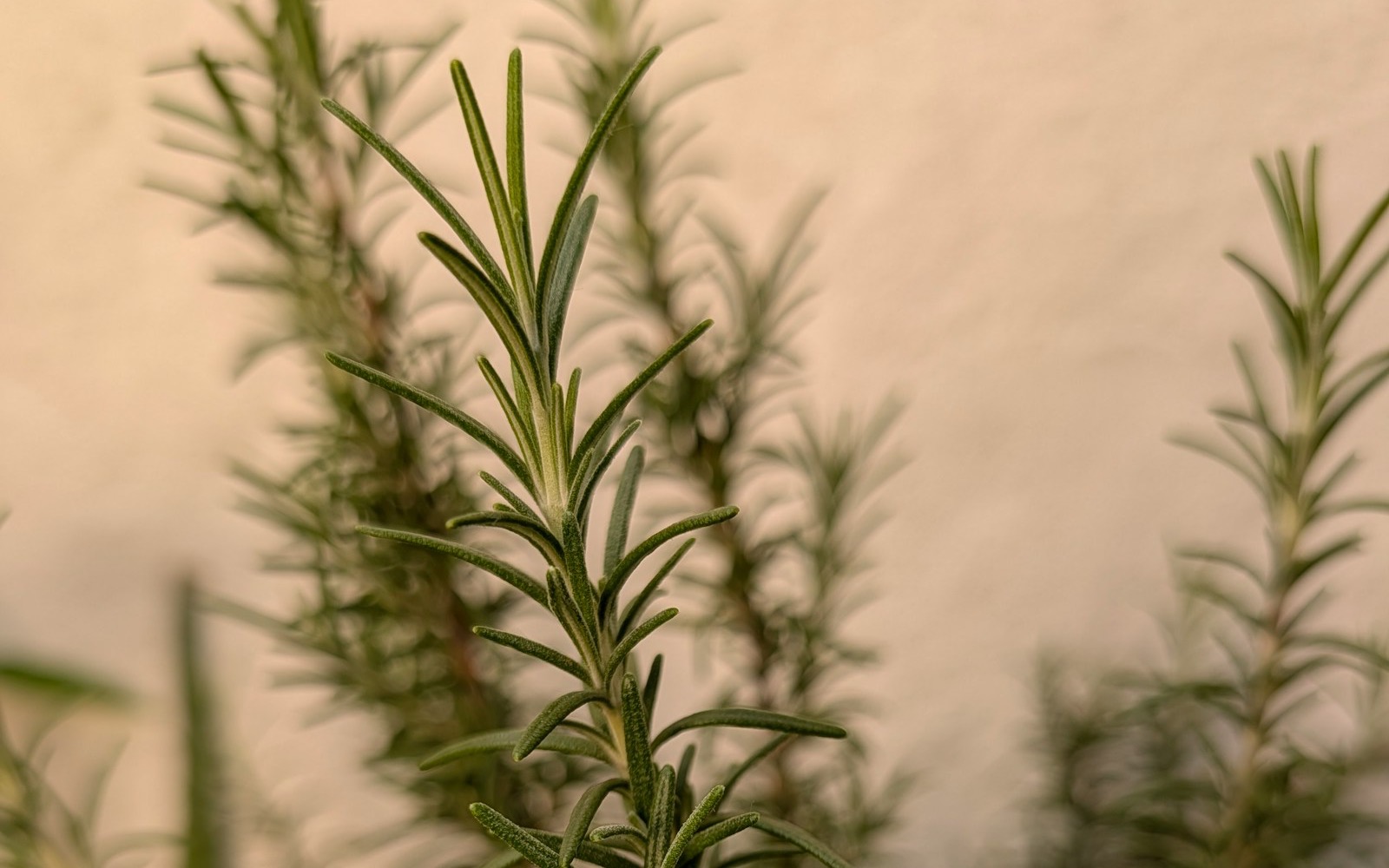
A gift for the cook: snip it straight into the stuffing. "There's rosemary, that's for remembrance," wrote Shakespeare, a fitting thank-you on a day about gratitude. Give it your sunniest window, or the garden where winters are mild.
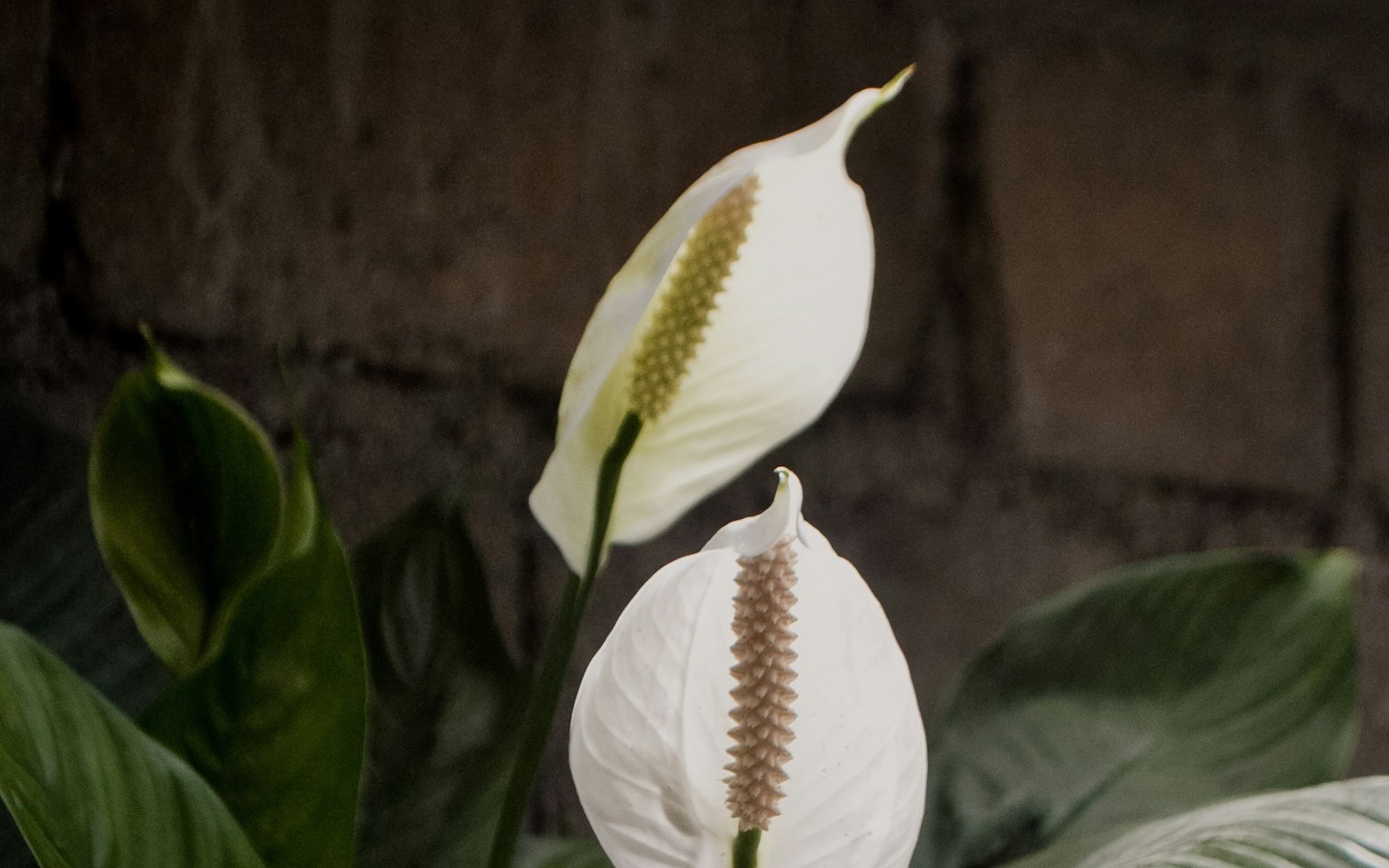
For the host who'd rather be told: it droops dramatically when thirsty, then perks right back up after a drink. Best in homes without pets or small children.
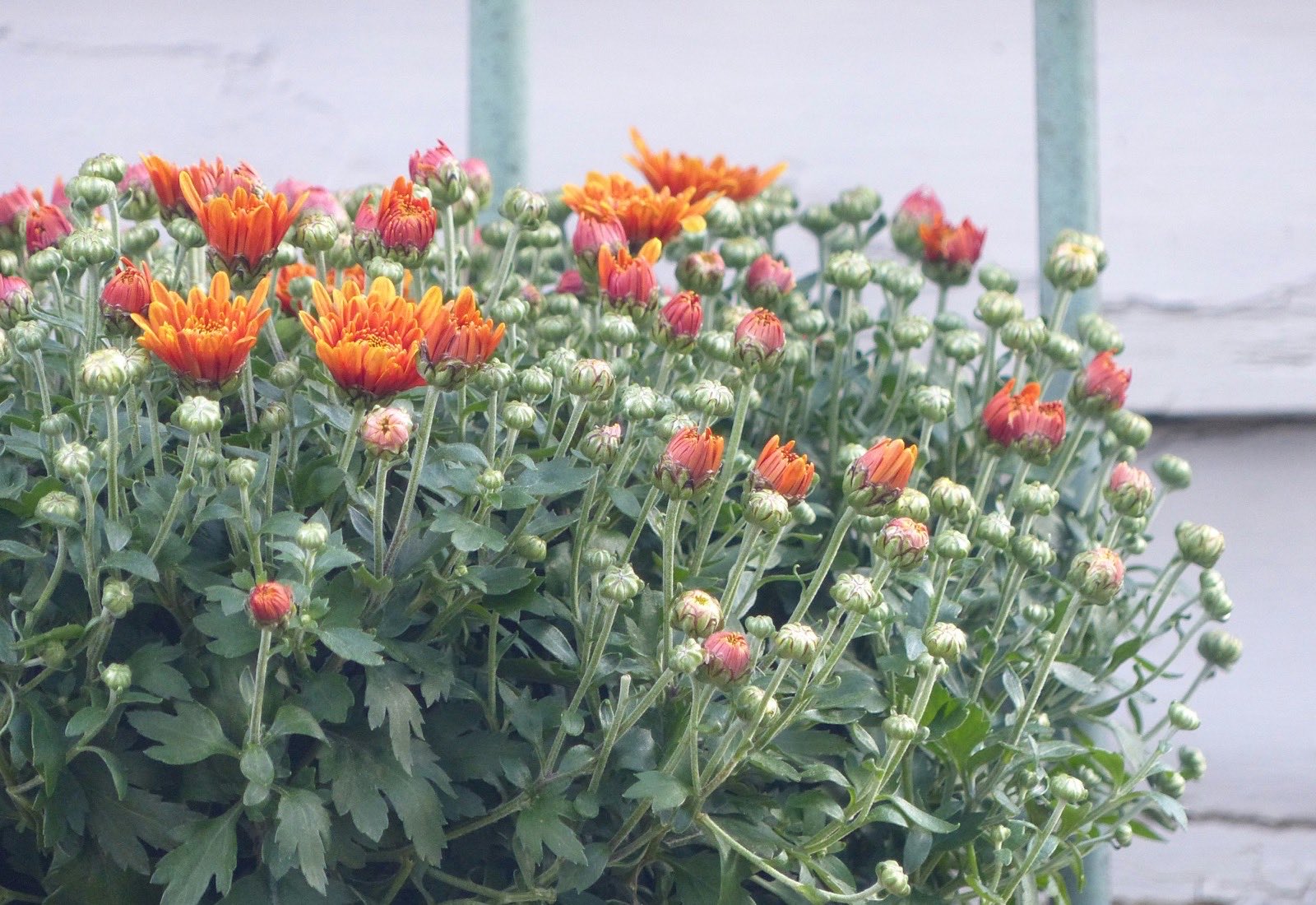
The classic fall pot, ready for the front porch, and toxic to pets, so it's happiest outside. A hardy garden mum can wait in a cool garage and go in the ground in spring; a florist mum is a one-season treat.
Each card links to the plant's full care card, with its care rating, light, water and pet safety, all traced to university extension services, the ASPCA or botanical gardens.
What to bring to Thanksgiving dinner?
Ask the host whether to bring a dish; otherwise, bring a small gift such as wine, flowers already in a vase, a specialty food or a plant.
A host gift is a kind extra and never a must. Lizzie Post of the Emily Post Institute says guests don't have to bring a host gift, and no host should expect one.
The classics. The Emily Post Institute lists wine, flowers and specialty foods as good host gifts.
Wine. Bring it only if you know the host enjoys it, and don't expect it to be opened that night: the host has no duty to serve it.
Flowers. Bring them already in a vase, says Daniel Post Senning of the Emily Post Institute, so the host isn't hunting for one mid-dinner. A potted plant skips that problem: it needs no vase at all.
A twist from 1938. On her radio show that year, Emily Post herself scoffed at bringing flowers, chocolate or wine to a dinner, as if a guest were paying for the hospitality. Customs change, and that's what makes the history fun.
Make it a great gift
If the host has pets, pick one marked "Safe for cats and dogs."
Choose a plant that's already in bloom or about to be.
Pick a pot with a drainage hole, and leave decorative foil off. Our gift plant guide explains why.
Include its care card: text the host the plant's care card link, or print the card's share image as a gift tag.
Frequently asked questions (FAQ)
Is a plant a good Thanksgiving host gift?
Yes. It lasts long after the meal, it needs no vase, and the host can enjoy it for months or years. Pick one that suits the host's home, especially if they have pets.
Which gift plants are safe for cats and dogs?
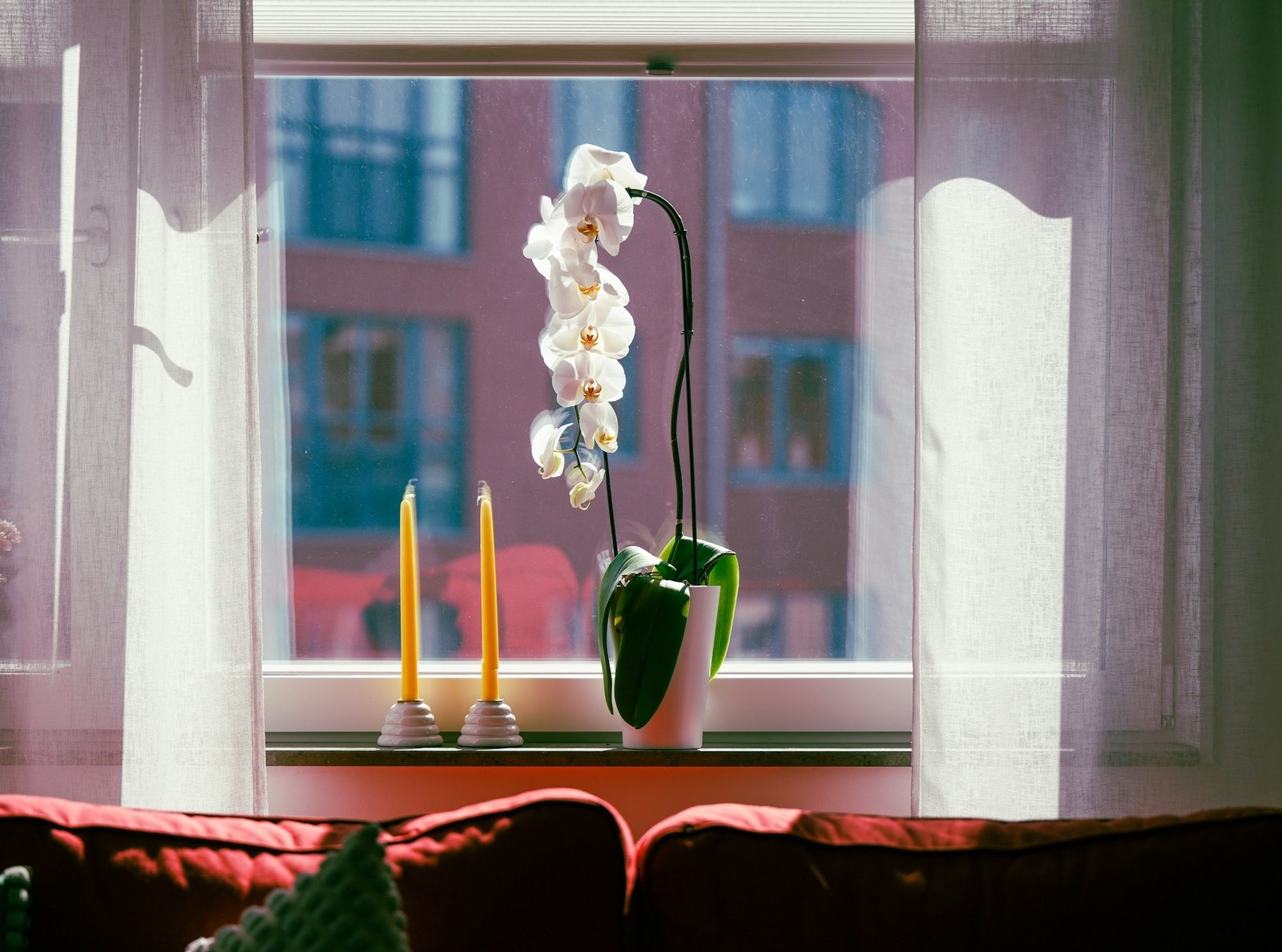
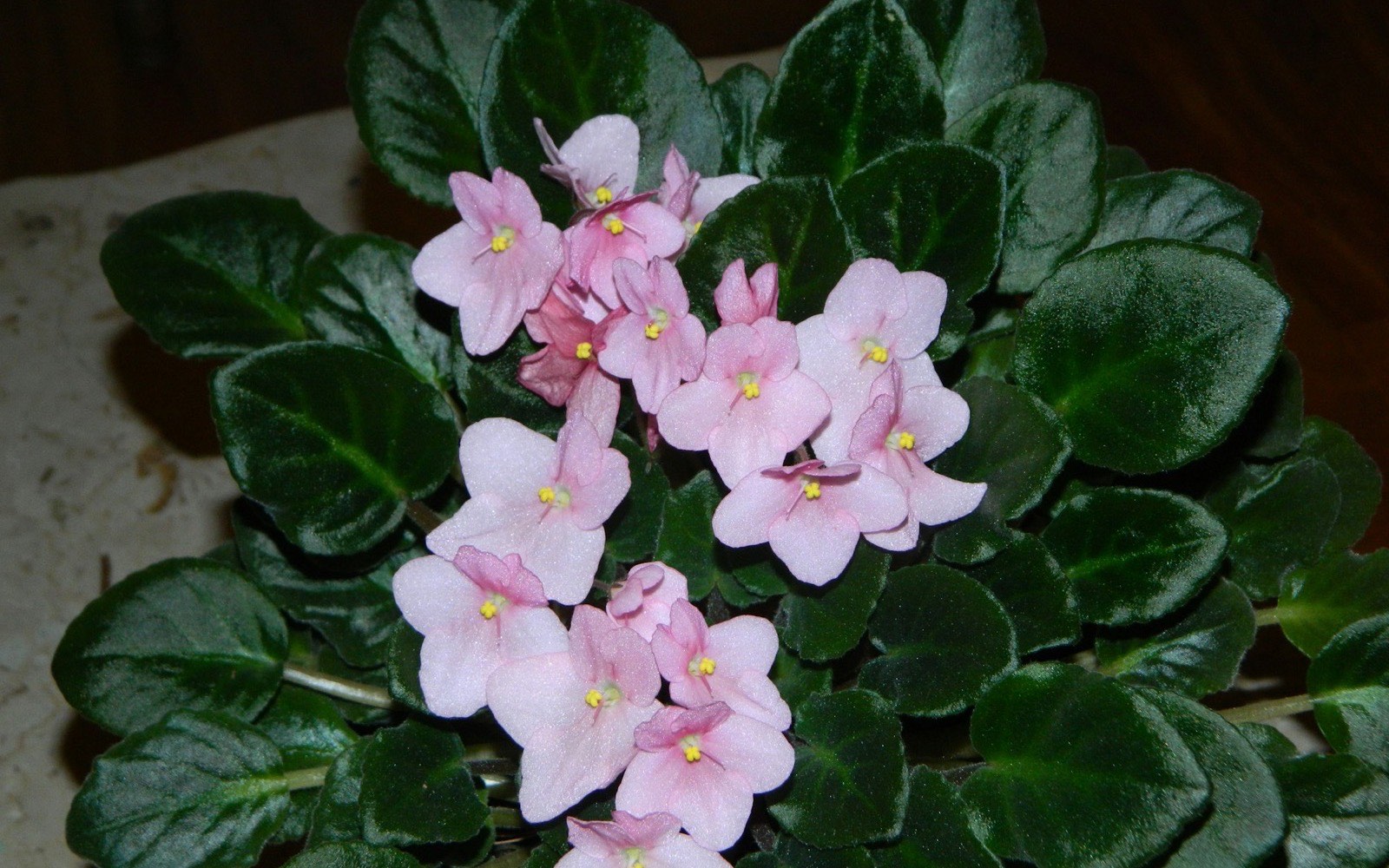
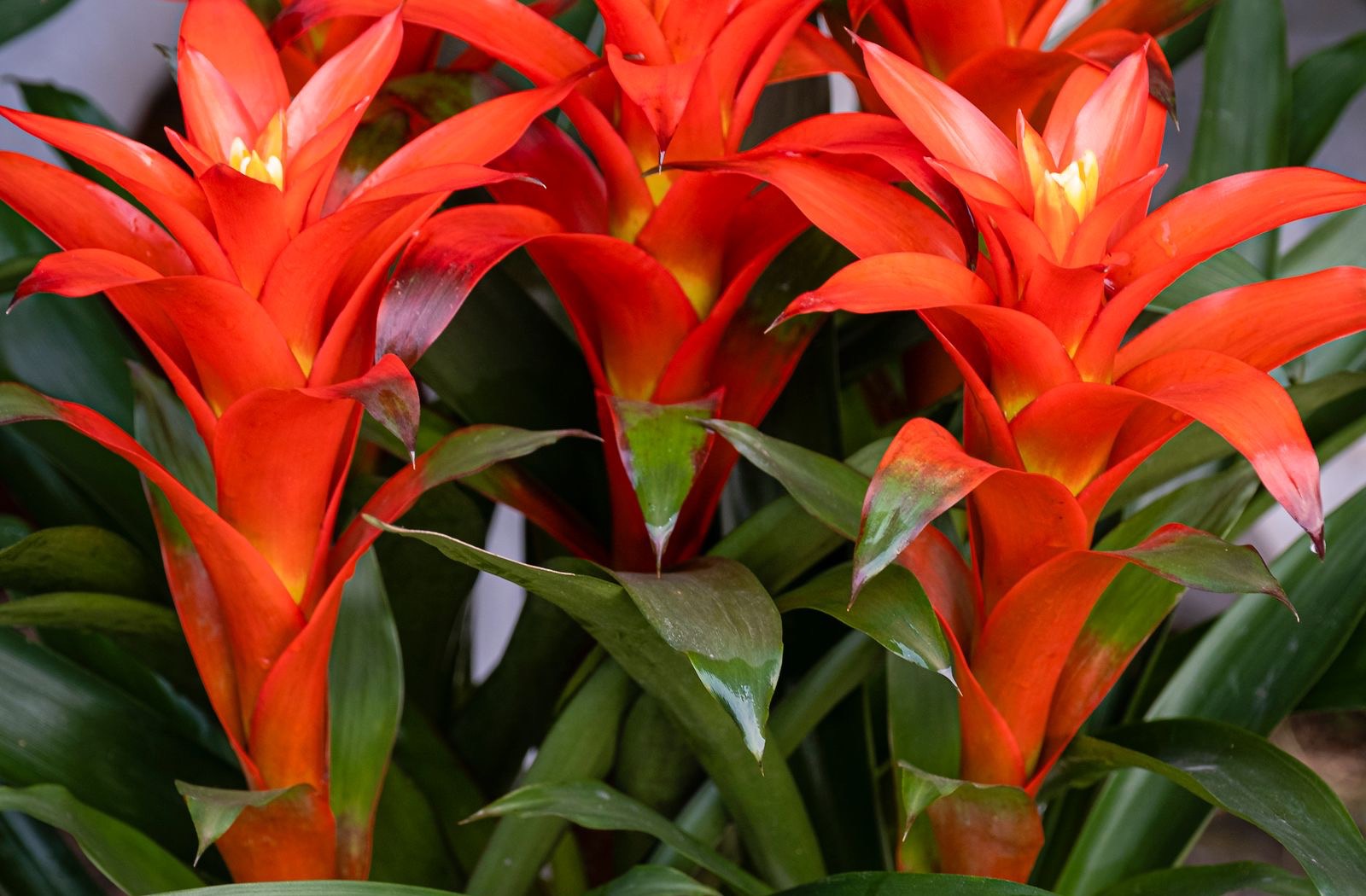
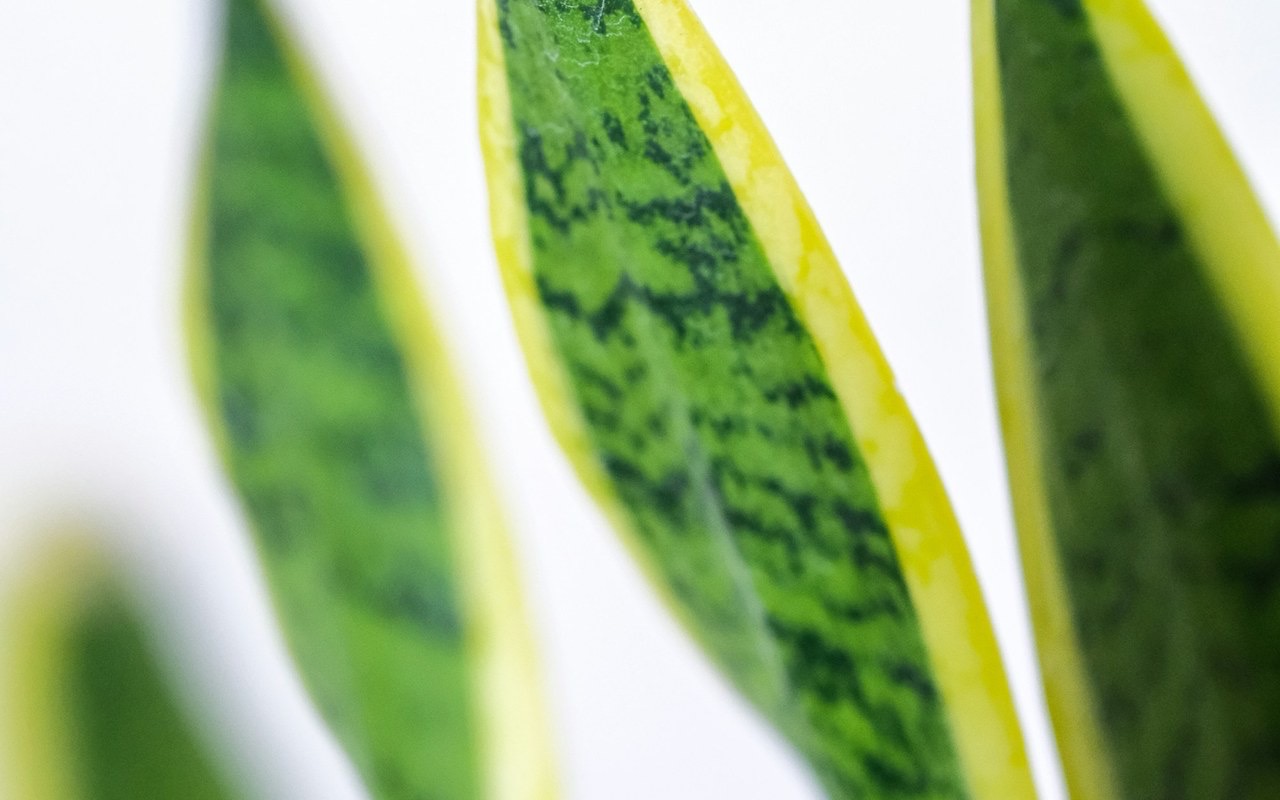
Of the eight here, the ASPCA lists the moth orchid, African violet, bromeliad (the Guzmania sold as a gift) and rosemary as non-toxic to cats and dogs. The ASPCA doesn't list the Thanksgiving cactus by name, but NC State lists it as non-toxic to pets. Peace lily, snake plant and mums are toxic to pets, so save those for homes without them.
What's the difference between a Thanksgiving cactus and a Christmas cactus?
Look at the stem segments. A Thanksgiving cactus has pointed, claw-like teeth on the edges, and a Christmas cactus has rounded, scalloped edges. Many plants sold as Christmas cactus are really Thanksgiving cacti or hybrids, which is why many bloom around Thanksgiving. See the Thanksgiving cactus care card and the Christmas cactus care card.
Should I bring flowers or a plant?
Either is kind. Cut flowers need a vase, so bring them already arranged in one. A potted plant is ready to set down as it is, and it keeps going long after the holiday.