Plant care card
Peace lily
Spathiphyllum · Cuna de Moisés
Also called spathiphyllum or white sails
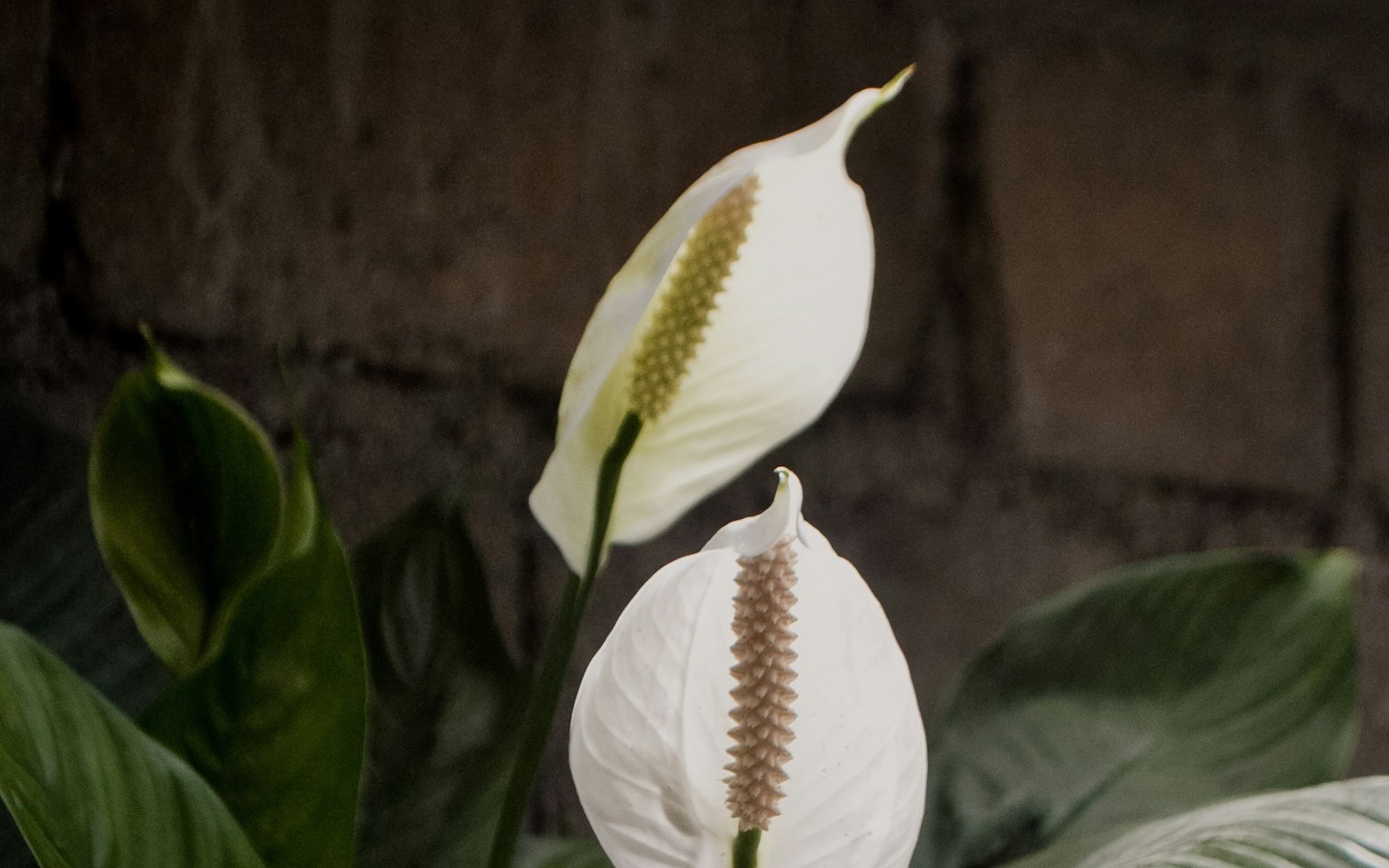
Photo by Maria Elizabeth on Unsplash
A peace lily is easy to keep: give it medium to bright indirect light, keep the soil lightly moist, and keep it out of direct sun and cold drafts. It will tell you when it's thirsty, because the whole plant droops and then perks up soon after a drink. It's toxic to cats and dogs if chewed, so keep it out of reach of pets and children.
Toxic to cats, dogs and horses · Moderate
Burns and irritates the mouth, causing drooling, vomiting and trouble swallowing. NC State rates the severity as medium; the ASPCA says serious problems are very rare. True lilies can cause kidney failure in cats; a peace lily is not a true lily. Children: moderate severity. Chewing the leaves burns the mouth and throat.
Pet poison line: ASPCA (888) 426-4435
Good for: rooms with lower light, flowers indoors, showing you when it is thirsty · Think twice if: pets or children chew plants, your only spot is a sunny window.
Needs at a glance
- Light2 of 4 · Medium indirectTakes low light; flowers best in bright, indirect light
- Water3 of 3 · Keep lightly moistWater as the surface starts to dry; never leave it in water
- Humidity1 of 3 · AverageA pebble tray helps if tips brown in dry rooms
- Soil when pottedRich, well-drained mixPotting mix with some perlite or bark
Indoors: best at 68 to 85°F (20 to 29°C). Keep it above 60°F (16°C) and away from drafts and heat vents.
How the rating adds up
0 = easiest · 1 = moderate · 2 = hardest
- Missed waterings1 of 2 · ModerateDroops when dry, then perks up after water
- Light flexibility0 of 2 · EasiestHandles low light; flowers best in bright shade
- Humidity0 of 2 · EasiestAverage rooms are fine; very dry air browns tips
- Pests and disease1 of 2 · ModerateMealybugs, scale; rot if overwatered
- Sensitivity to change1 of 2 · ModerateFluoride in water, cold below 60°F, drafts
Growing outdoors
All year: USDA zones 11 to 12, where the coldest winter nights average 40°F (4°C) or warmer.
Elsewhere: summer outside in shade. Bring it in before nights drop below 60°F (16°C).
- Containers
- Shade beds in frost-free climates
Sources: NC State, Iowa State, Illinois Extension, RHS, Clemson, ASPCA, UF/IFAS and USDA PLANTS. Full list below.
Verified · How we rate plants
How often should I water a peace lily?
Water when the surface of the soil starts to feel dry, and keep it lightly moist the rest of the time. How often that is depends on your room, so check the soil instead of following a calendar. Water until it drains, then empty the saucer: Clemson Extension says the plant should never sit in standing water. The Royal Horticultural Society suggests watering less in winter, and room-temperature water is best.
Why is my peace lily drooping?
Most of the time it's thirsty. A peace lily droops when its soil dries out and recovers after a good watering, which makes it a handy thirst signal. If it droops often, water a little sooner, because repeated dry spells brown the tips and yellow the leaves. If the soil is already wet and it still droops, check the roots: soil that stays wet is the most common cause of root rot in peace lilies. Cold drafts, or a sudden move outside into sun and wind, can damage the leaves too.
How much light does a peace lily need?
Medium to bright indirect light, and no direct sun, which scorches the leaves. It's one of the few houseplants that will flower in fairly low light, so it suits rooms away from a window. It will survive in deeper shade, but it grows slowly and flowers less there, so a brighter spot is better if you want blooms.
Why won't my peace lily flower?
The usual reasons are too little light or a plant that's too young: Clemson Extension says plants under about a year old often don't flower. Growers often bring store plants into bloom with one spray of a natural plant hormone, so it's normal for a new plant to pause after its first flowers. Once mature, most varieties bloom in spring and early summer, according to UF/IFAS research, and a few bloom more than once a year. Move it to brighter, indirect light and give it time. Each flower lasts for weeks and slowly turns green as it ages.
Why are my peace lily's leaf tips brown?
There are four common causes: dry air, soil that dried out too far, too much fertilizer, and fluoride in tap water. Salts from fertilizer build up in the soil and burn the tips, so feed lightly and flush the pot with plenty of water now and then. The Royal Horticultural Society and University of Illinois Extension both say peace lilies are sensitive to fluoride, so try rainwater or filtered water if your tap water is fluoridated. Direct sun can brown the leaves too.
Why are my peace lily leaves turning yellow?
Watering is the first thing to check, in both directions. Letting it dry out too far turns leaves and their edges yellow, and soil that stays wet can rot the roots, which also yellows leaves. Feel the soil before you water, and make sure the pot drains. A less common cause, according to Clemson Extension, is a lack of magnesium, which shows as yellow between green veins.
When should I repot a peace lily?
Repot when roots grow out of the drainage holes or circle the top of the soil, which for a new plant is often a year or two away. Peace lilies like being a little crowded. Move up to a pot only 1 to 2 inches (2.5 to 5 cm) wider, because a much bigger pot holds extra wet soil that can rot the roots. Spring is the best time, since it recovers faster while it's growing.
How do I propagate a peace lily?
By dividing it. In spring, take a crowded plant out of its pot and gently pull or cut the root ball into smaller clumps, each with its own roots and a few stems. Pot each one in fresh, well-drained mix and water it in.
Is a peace lily toxic to cats and dogs?
Yes. The ASPCA lists the peace lily as toxic to cats and dogs, and NC State adds horses and rates it medium severity. The leaves contain insoluble calcium oxalate crystals that burn and irritate the mouth when chewed, causing drooling, vomiting and trouble swallowing. NC State also lists it as a risk for children. It isn't a true lily, though. The ASPCA says the lilies that cause kidney failure in cats are true lilies and daylilies, and that serious problems from peace lilies are very rare. If a pet chews one, call your vet or the ASPCA Animal Poison Control Center at (888) 426-4435.
Can a peace lily grow outdoors?
All year only in frost-free climates: NC State lists USDA zones 11 to 12, where the coldest winter nights average 40°F (4°C) or warmer, and UF/IFAS lists zones 10b to 12. Elsewhere, it can spend warm months outside in shade. Ease it outdoors gradually, since sudden sun and wind can damage new leaves, and bring it in before nights drop below 60°F (16°C).
How Grove helps
Grove turns watering into a check of the soil, so a peace lily gets water when it's starting to dry instead of on a fixed day. You can set feeding as a repeating task and assign it, and a photo of an unlabeled plant gets you Grove's best guess at what it is.
Sources
- NC State Extension Gardener Plant Toolbox: Spathiphyllum
- Iowa State University Extension: Easy Low-Maintenance Houseplants
- University of Illinois Extension, Ask Extension: Peace lily
- Royal Horticultural Society: Peace lilies plant guide
- Clemson Cooperative Extension HGIC: Peace Lily
- Royal Horticultural Society: How to grow peace lilies
- ASPCA Animal Poison Control: Peace Lily
- ASPCA: Which Lilies Are Toxic to Pets? (2022)
- UF/IFAS EDIS ENH1216: Florida Foliage House Plant Care: Spathiphyllum
- UF/IFAS Assessment of Non-Native Plants: Spathiphyllum clevelandii
- USDA PLANTS Database: Spathiphyllum wallisii
- UF/IFAS Gardening Solutions: Peace Lily
- UF/IFAS EDIS ENH1047: Spathiphyllum Flowering, Keys to the Future