Hanukkah hostess gifts: eight plants for eight nights
By the Grove Plant Care team · Updated November 11, 2026
Invited over to light candles, eat latkes or spin a dreidel? A living plant is a host gift that keeps going long after the last candle. Here are eight gift ideas that fit the holiday's themes of light, oil and blue and white, led by the olive tree, with pet safety for every one. Plants have no special role in Hanukkah itself, so think of these as thoughtful gifts that suit the season.
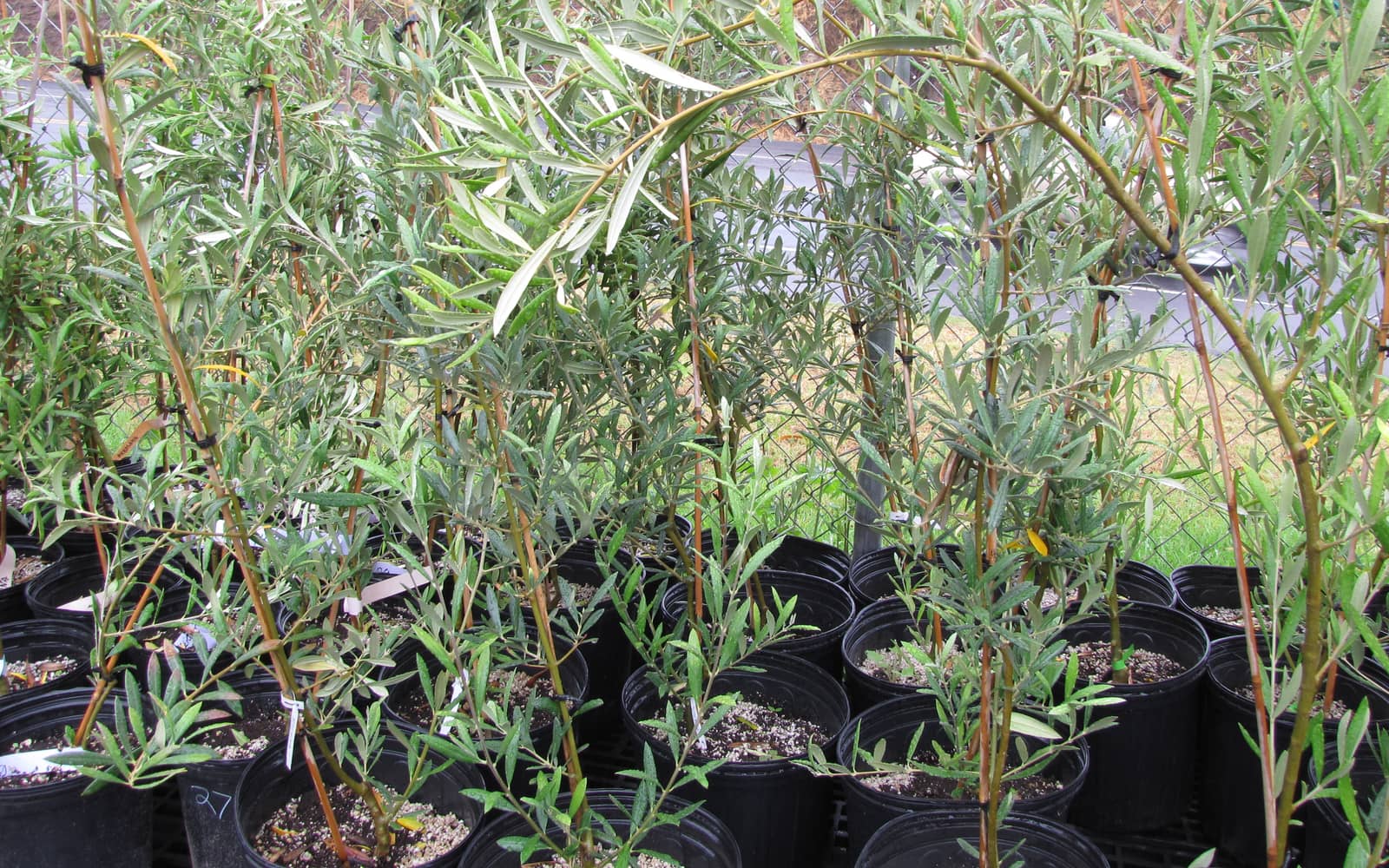
The oil in the Hanukkah story was olive oil, and Chabad and the OU say olive oil is still the preferred fuel for menorah lights. A small tree with silver-backed leaves, for a host with a very sunny window and a cool spot in winter.
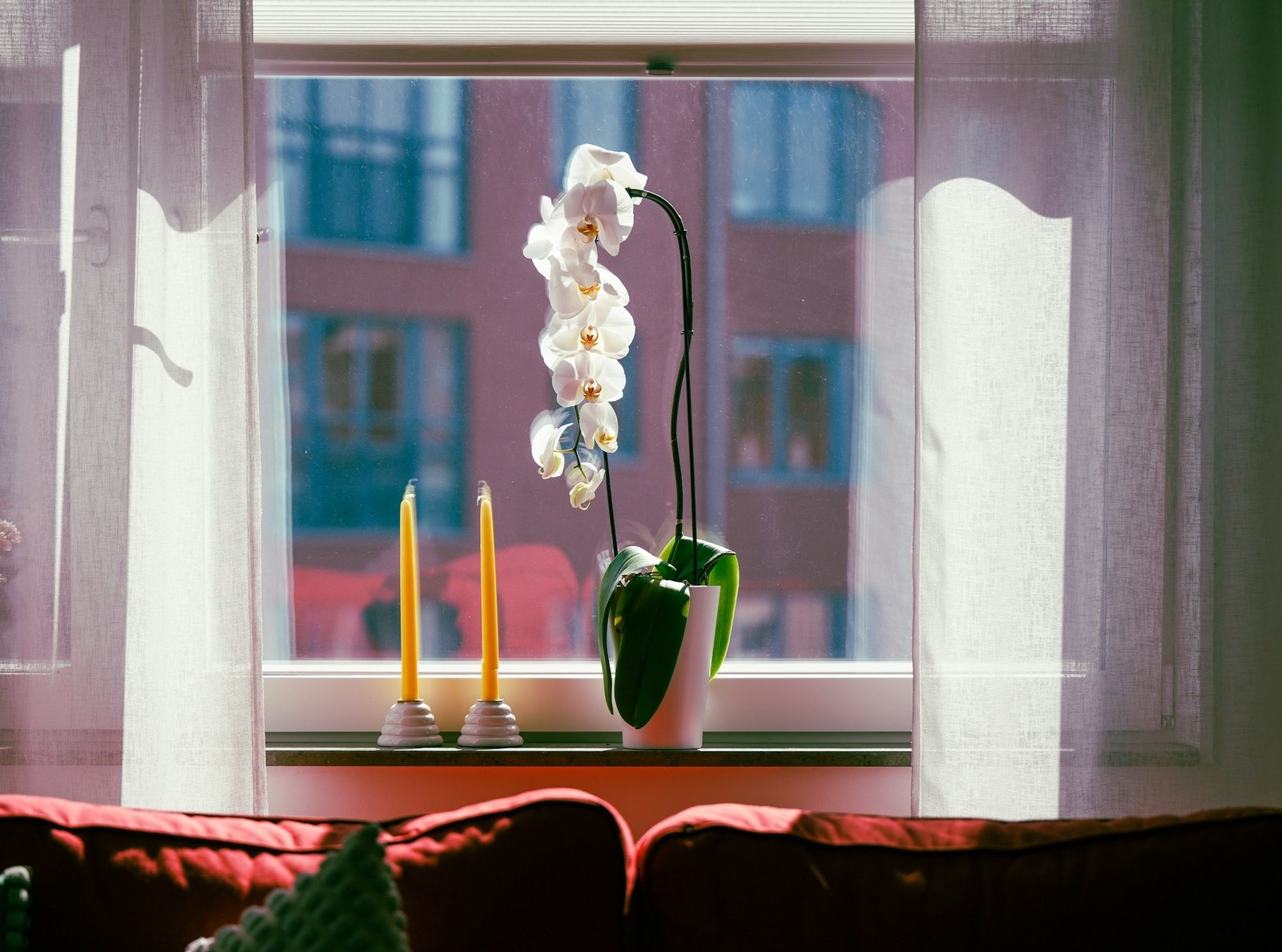
White is one of its most common colors, and the flowers can last four months or more. Skip the blue ones: moth orchids don't come in blue, so those flowers are dyed.
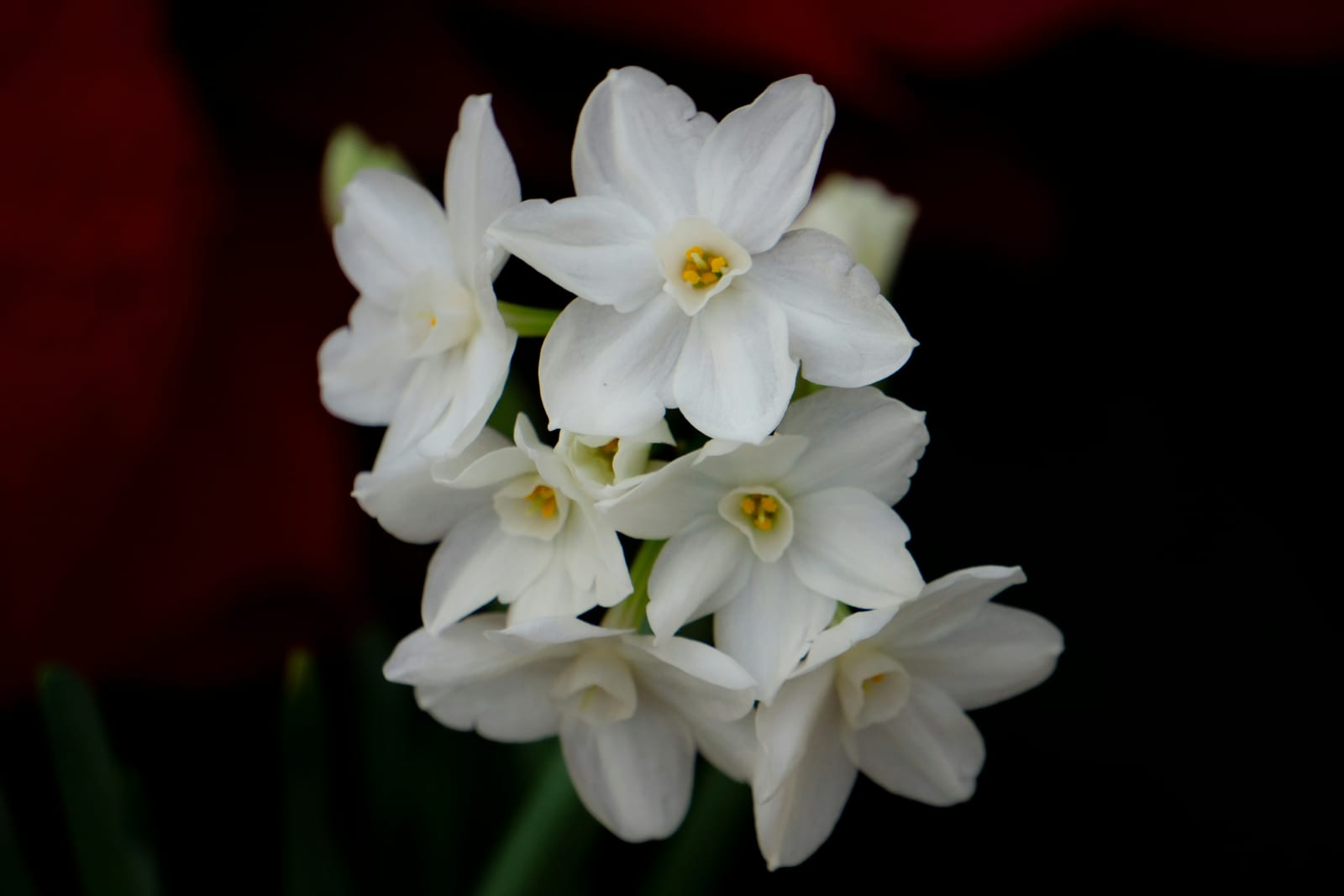
Clusters of fragrant white flowers about 4 to 6 weeks after planting, with no cold period needed. Give one already in bud, since a bulb planted now may open late. Toxic to pets, the bulbs most of all.
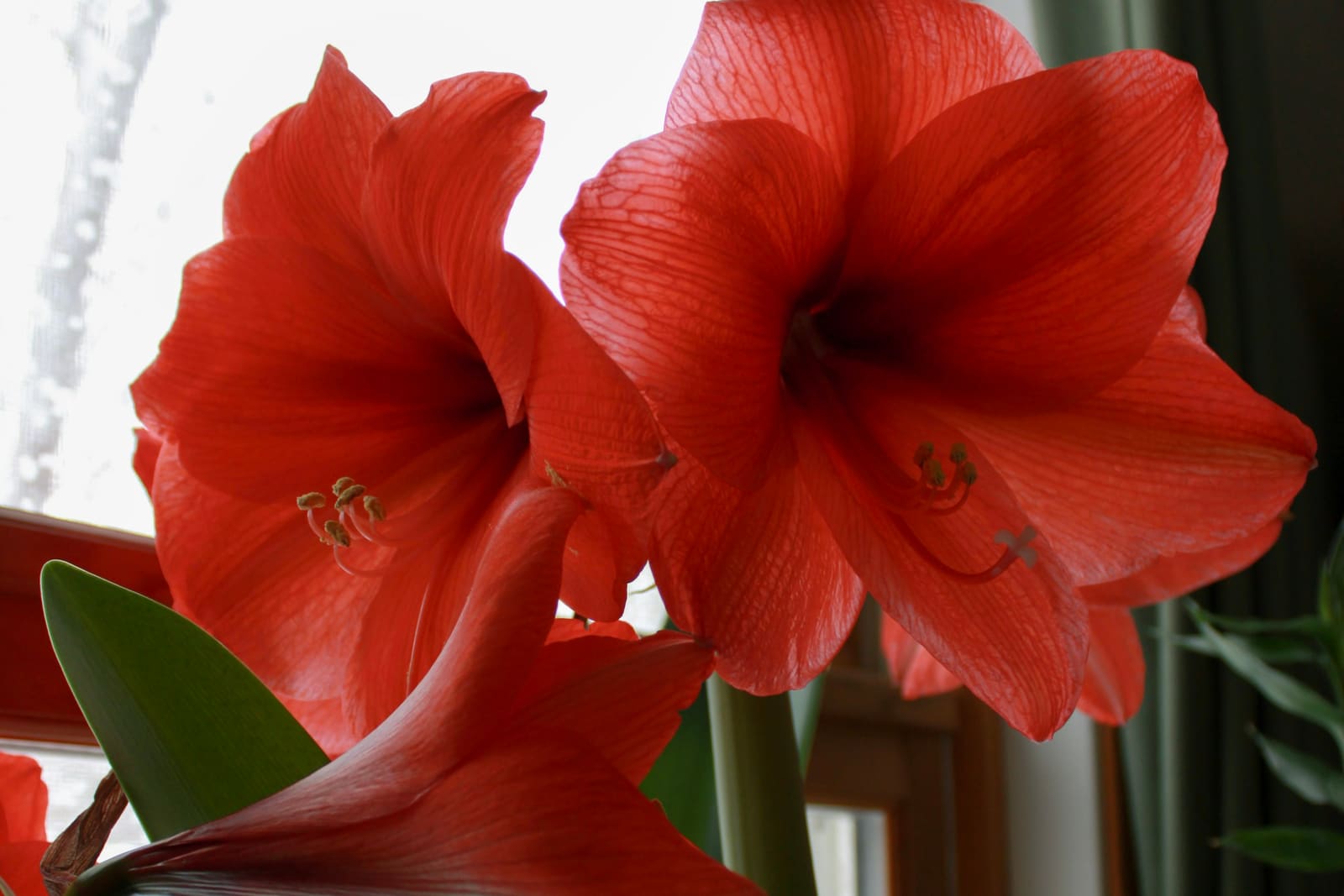
Big, pure white flowers on a tall stem. A bulb takes about 4 to 8 weeks to bloom after potting, so start early or pick one that is already budding. Toxic to pets, the bulb most of all.
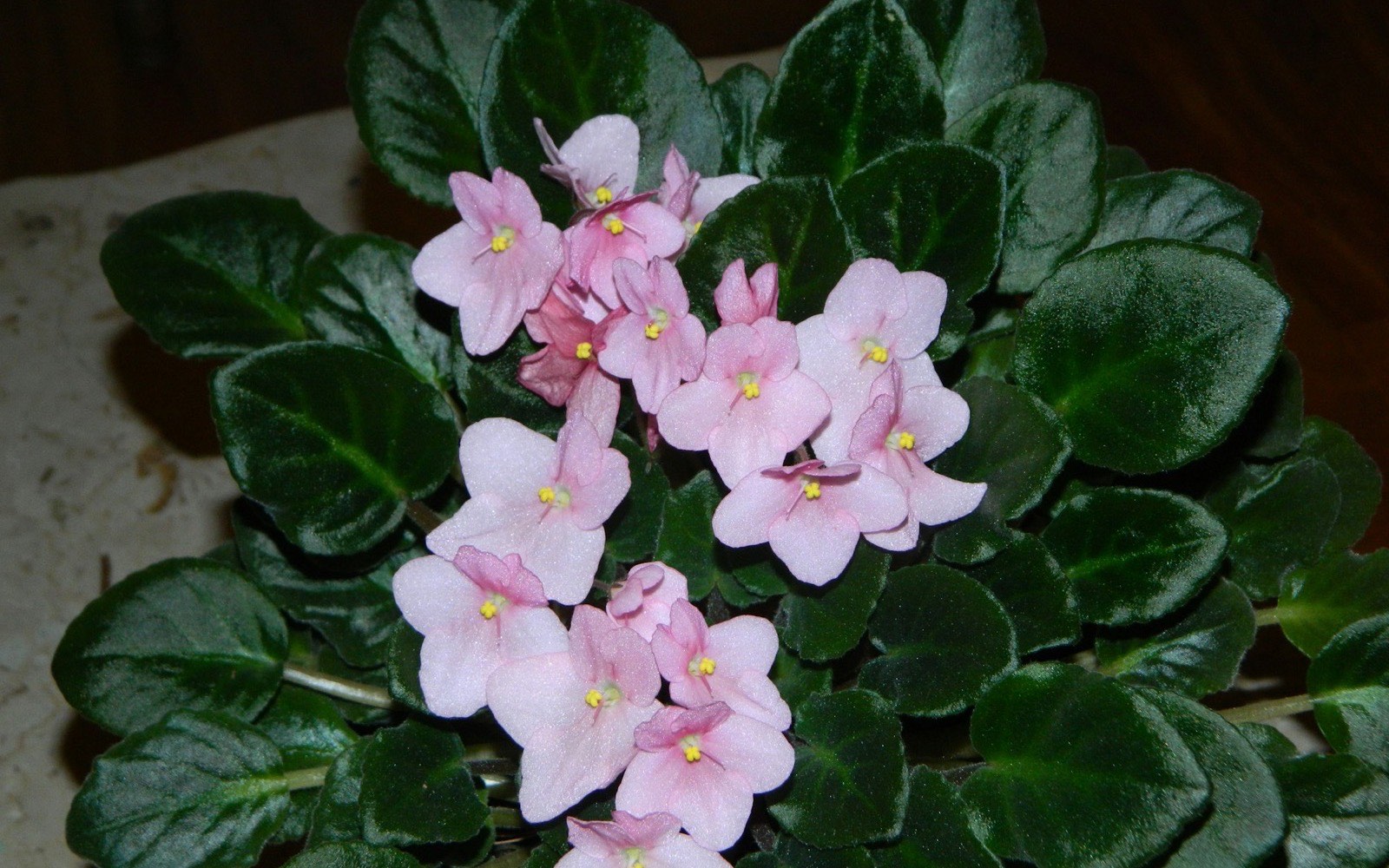
One of only two plants here with truly blue flowers, and it comes in white too. On a bright windowsill it blooms almost all year, and it is safe for cats and dogs.
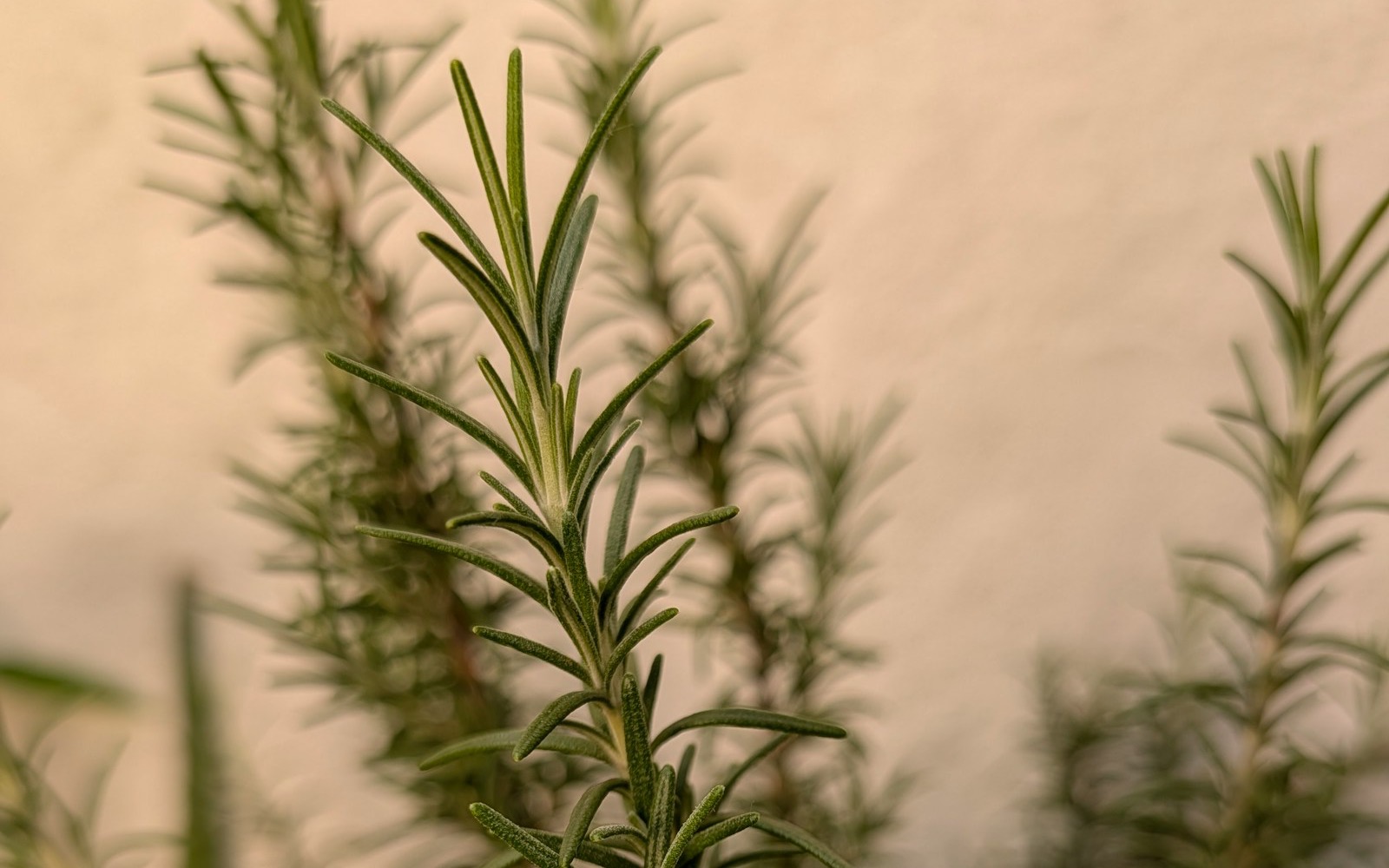
Many plants have small blue flowers, though sources disagree on when they open, so don't count on December. A Mediterranean herb, like the olive, for a sunny kitchen window, and safe for cats and dogs.
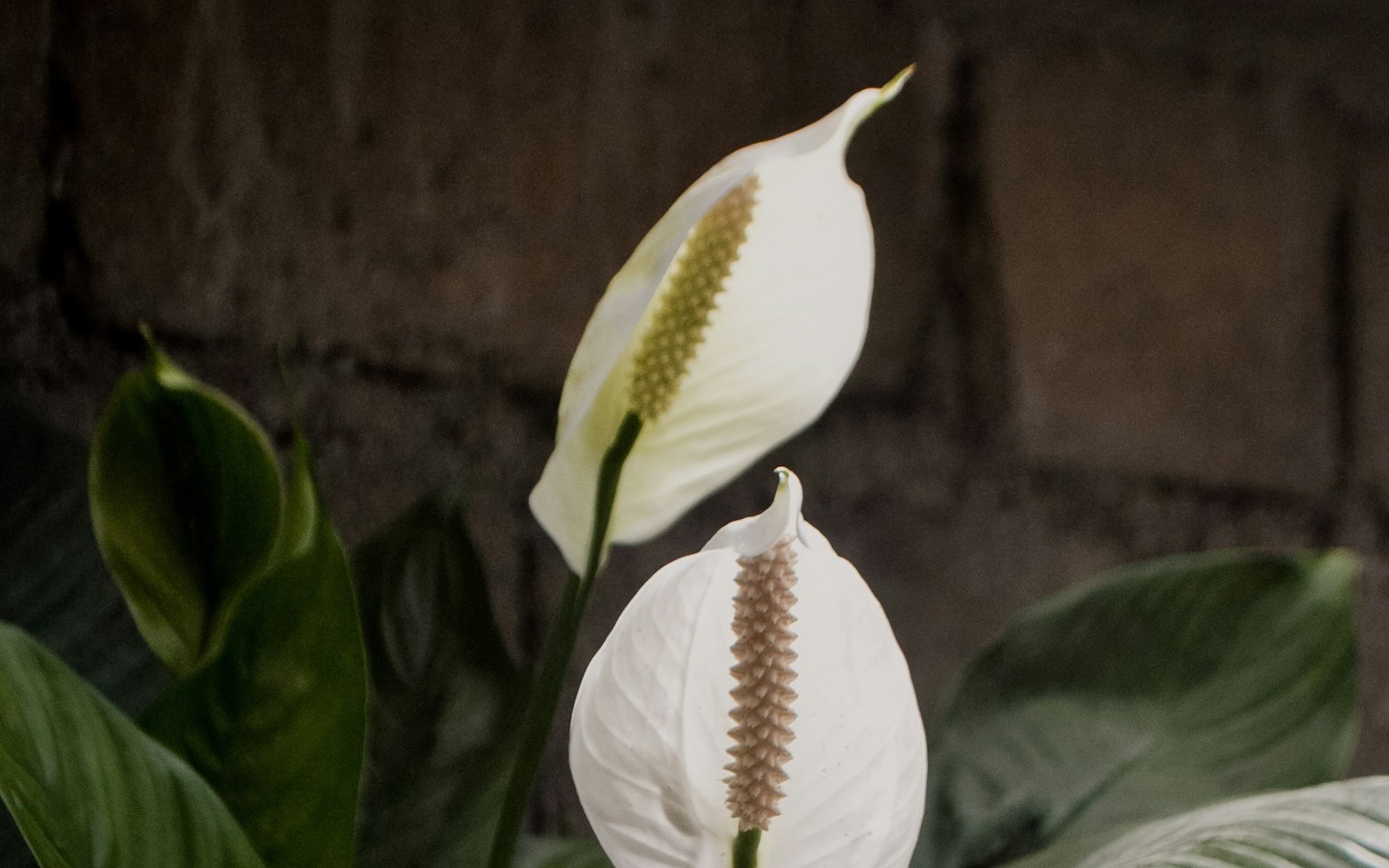
White, sail-like flowers on a plant that handles lower light than most. It's toxic to pets, even though it isn't a true lily, so it suits a home without cats or dogs.
Ask yourself two things before you shop: does the host have cats or dogs, and how bright is their home? A pet-safe pick and a plant that fits their light will do more than any bow.
Pick a pot with a drainage hole. Our guide to a gifted plant's first week explains why, and what to do with any foil sleeve.
Send the care card with it. Text the link to the plant's card, so the host knows what to do next.
Can you give flowers for Hanukkah?
Read moreShow less
Here's what the Jewish educational sources say about gifts and the holiday:
The older custom is gelt. My Jewish Learning, ReformJudaism.org and Chabad.org describe Hanukkah gelt, small gifts of money, as the long-standing custom. Chabad.org adds that giving presents isn't a religious obligation.
Gift-giving is newer, and it grew in the United States. My Jewish Learning traces how Hanukkah gifts became common in the US from the late 1800s, as Christmas became a national American holiday, and took off in the 1950s.
Much of Hanukkah happens at home. My Jewish Learning and Chabad.org describe people gathering to light the menorah, eat foods fried in oil like latkes and sufganiyot (jelly doughnuts), and play dreidel. Chabad.org's guide to a Hanukkah party says that in some communities a guest may be expected to bring a gift.
So the honest answer is that there's no single rule. When in doubt, ask the host what would help. A plant with its care card is a safe bet, since it asks nothing of the evening and keeps going after it.
Is an olive tree a good Hanukkah gift?
Read moreShow less
Why it fits. Jewish tradition tells that when the Temple in Jerusalem was rededicated in the second century BCE, a small amount of oil, enough for one day, burned for eight. ReformJudaism.org and My Jewish Learning note the story comes from the Talmud, written centuries later. Chabad.org tells it with a single cruse of olive oil, and Chabad.org and the OU say pure olive oil is still the preferred fuel for menorah lights, because it recalls the Temple's menorah. That's a lot of history for one small tree to carry, and it carries it well.
How to keep it happy. Our olive tree care card has the details. The short version:
Light: full sun, 6 or more hours of direct sun (NC State). Give it the sunniest window you have, and a sunny spot outside in summer once frost has passed (RHS).
Winter: a cool spot, about 40 to 50°F (4 to 10°C). The New York Botanical Garden and NC State say it needs about two months of that to flower. Keep a potted tree above 32°F (0°C), the point where Texas A&M says tender tips start to get damaged.
Water: in a pot, water regularly from April to late September, and keep the mix just barely moist in winter (RHS). Soggy soil leads to root rot (UF/IFAS, Texas A&M).
Soil: a gritty, fast-draining, soil-based mix in a pot with plenty of holes (RHS).
Olives: don't count on them indoors. Fresh olives are too bitter to eat until they're cured (RHS, UF/IFAS).
Pets: not rated. The ASPCA doesn't list the olive tree (Olea europaea); its "olive" entries are Russian and autumn olive, a different plant (Elaeagnus). NC State gives no toxicity information. With no trusted source to go on, keep it out of reach of pets that chew plants.
Shopping tip: the "sweet olive" (Osmanthus) is another different plant. Check the tag for Olea europaea.
It isn't a true lily, and it's still toxic to pets
Even a safe plant can upset a pet's stomach if it eats a lot. For more on holiday plants and pets, see our guide to holiday plants and pets.
What flowers fit Hanukkah?
Read moreShow less
About blue and white. Chabad.org says blue and white are popular for Hanukkah probably because they are Israel's colors, and My Jewish Learning calls them colors associated with Judaism and the State of Israel. Neither is a religious rule, so a host will be just as happy with a red amaryllis. Still, if you'd like to match the table, here's what's truly out there:
True blue: the African violet comes in blue as well as white, and its original wild color is a violet-blue (NC State, Iowa State, University of Arkansas). Many rosemary plants have small blue flowers (NC State, UF/IFAS), though they may not be open in December.
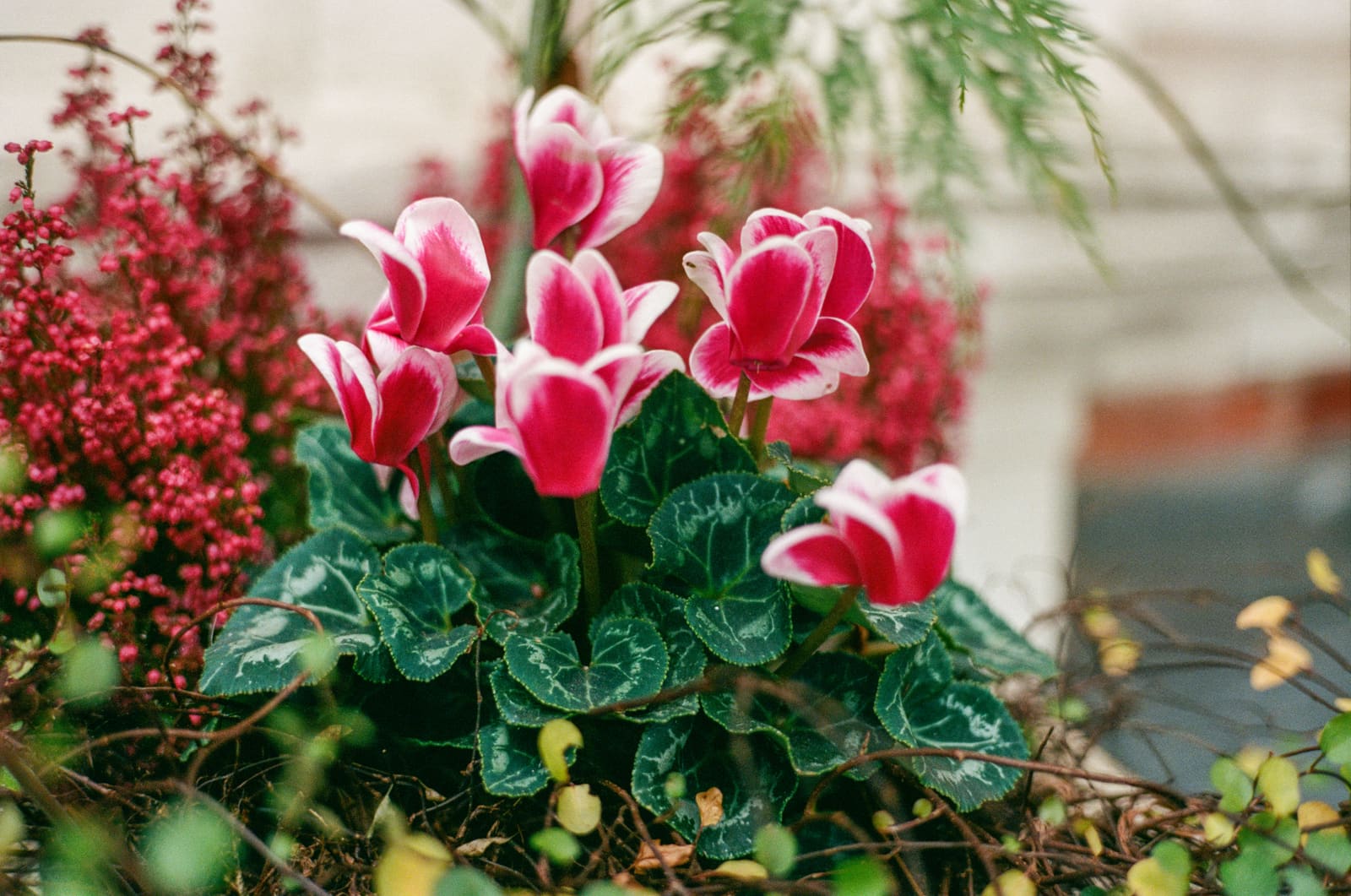
White: the moth orchid (white is one of its most common colors, per the RHS), cyclamen, paperwhites, peace lily and white amaryllis. The pure white varieties that UW-Madison Extension and Clemson name are sold as 'Christmas Gift' and 'White Christmas'; any amaryllis sold as white will do.
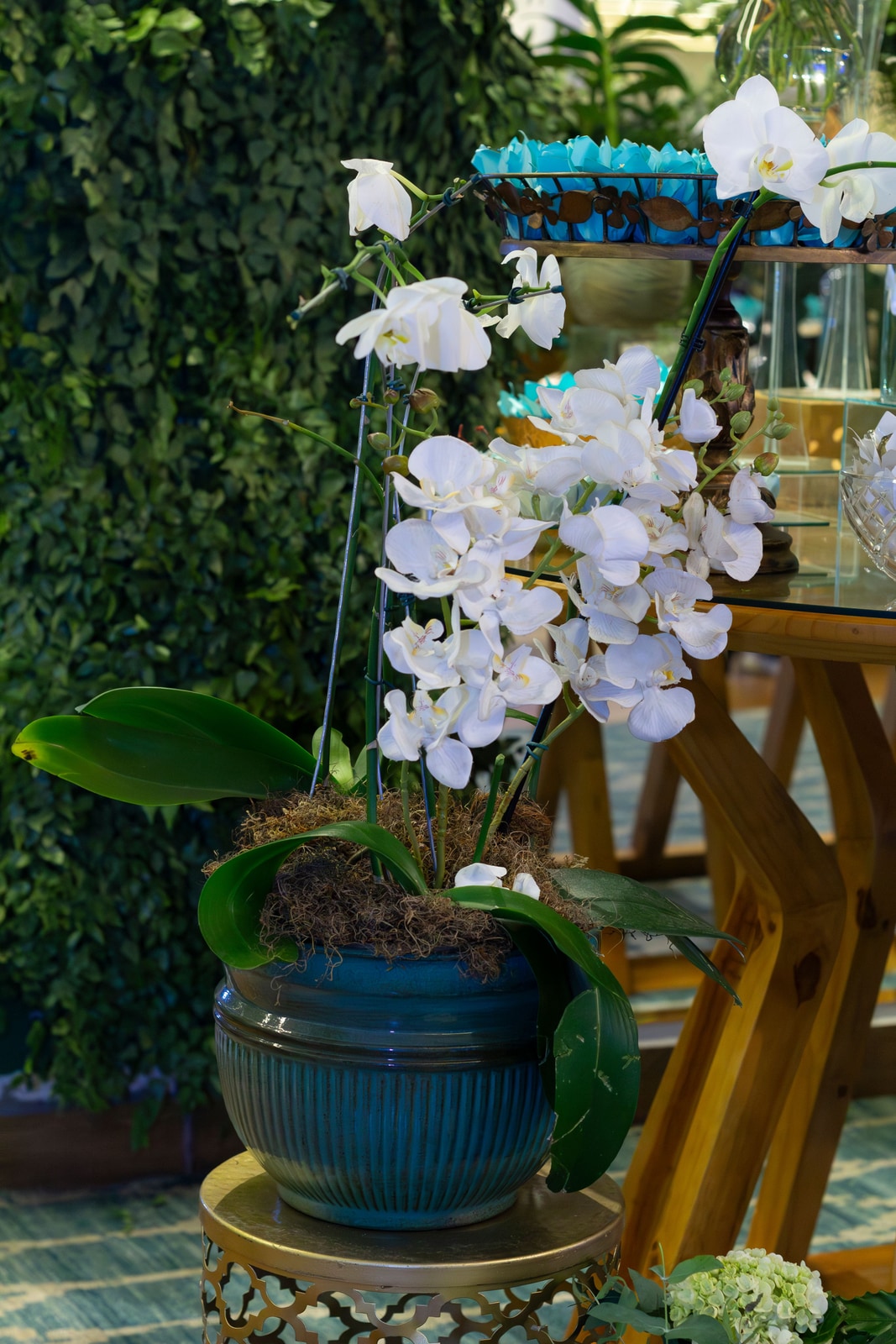
What about blue orchids? Colorado State University Extension says moth orchids come in every color except blue and true red. A bright blue orchid in a shop has been dyed. Pick a white one and put it in a blue pot, like the one in our photo.
When is Hanukkah 2026?
Read moreShow less
Those dates come from Hebcal, Chabad.org and My Jewish Learning, which agree. Each night one more light is added, from one on the first night to eight on the eighth, plus the shamash, the helper candle that lights the others (Chabad.org, the OU).
If you want bulbs in bloom. An amaryllis usually blooms about 4 to 8 weeks after potting, and paperwhites about 4 to 6 weeks after planting, per the extension sources on our amaryllis and paperwhite cards. Start them early, or buy one that's already budding.
Frequently asked questions (FAQ)
Do people give gifts on Hanukkah?
Many do, and it's a newer custom. My Jewish Learning and ReformJudaism.org say the older tradition is gelt, small gifts of money, and My Jewish Learning traces how presents became common in the United States over the last century or so. Chabad.org notes that gifts aren't a religious obligation.
What should I bring to a Hanukkah party as a guest?
Customs differ, so there's no single right answer. Chabad.org says that in some communities a guest may be expected to bring a gift. A plant with its care card is a gift that lasts well past the party; see the eight ideas above.
Are blue orchids real?
No. Colorado State University Extension says moth orchids come in every color except blue and true red, so a blue one has been dyed. For a blue and white gift, choose a white orchid in a blue pot.
Is an olive tree safe for cats and dogs?
We can't say. The ASPCA doesn't list the olive tree, and NC State gives no toxicity information, so we don't call it safe or toxic. Keep it out of reach of pets that chew plants.
Can an olive tree live indoors?
Yes, in a pot, if it gets your sunniest window and a cool spot in winter. NC State and the New York Botanical Garden describe moving potted olives indoors for the cold months, and the RHS suggests a sunny spot outside in summer. See the olive tree care card.