Christmas plants poisonous to cats and dogs (and what about kids?)
Most holiday plants cause a sore mouth or an upset stomach at worst, and a few deserve real caution: lilies in bouquets can cause kidney failure in cats, amaryllis, cyclamen, kalanchoe and paperwhites are moderately toxic to pets, and mistletoe can be moderate to severe. The Christmas cactus, moth orchid, rosemary and Norfolk Island pine are listed as non-toxic to cats and dogs. If a pet eats a plant and seems unwell, call your vet first.
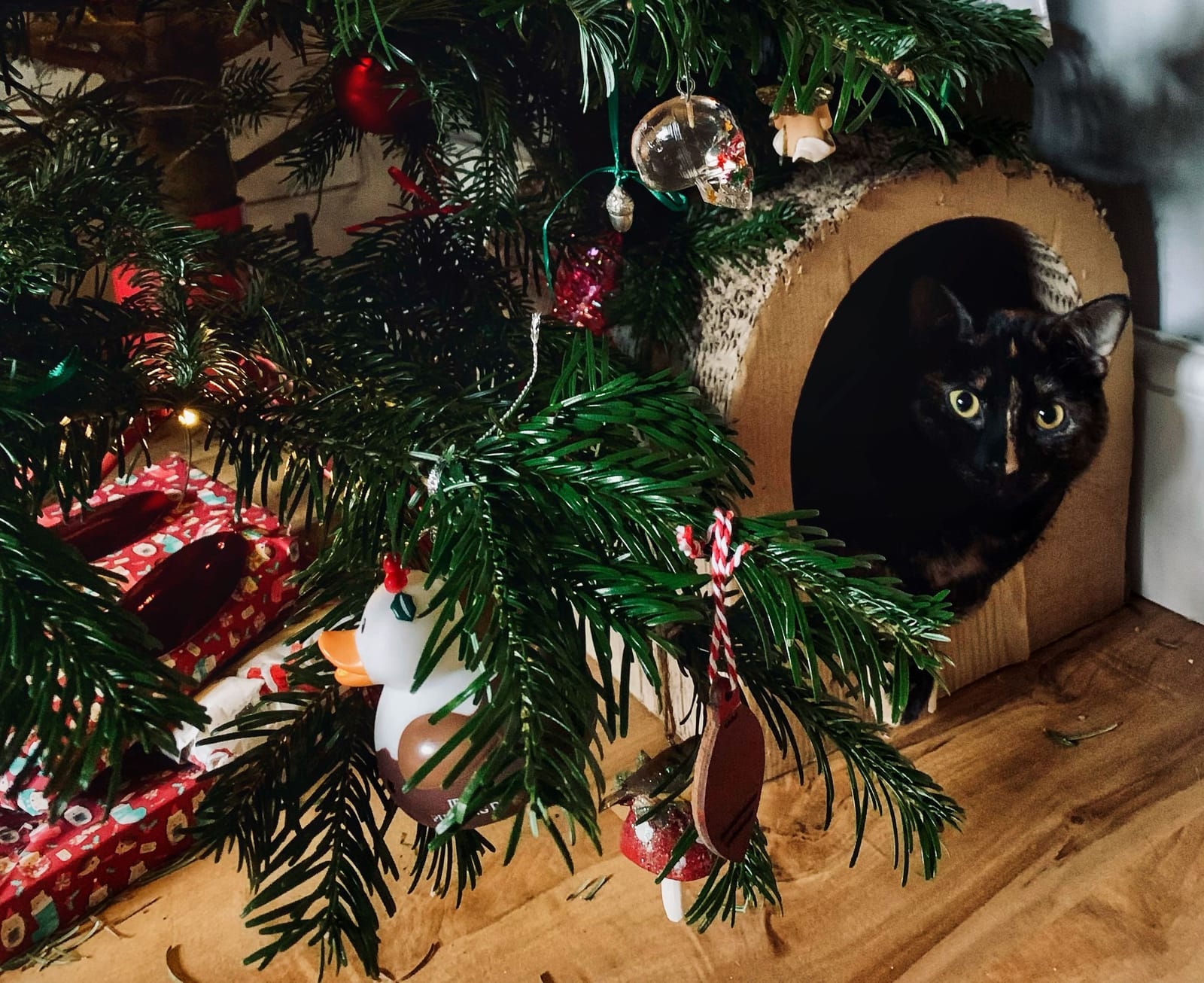
Which Christmas plants are poisonous to cats and dogs?
| Plant | Cats and dogs | Children | Signs and sources |
|---|---|---|---|
| Poinsettia | Toxic, mild | Low: the sap can irritate skin and eyes | Irritates the mouth and stomach, sometimes vomiting (ASPCA, NC State) |
| Amaryllis | Toxic, moderate | Moderate: every part, the bulb most | Vomiting, drooling, diarrhea; large amounts can cause tremors, seizures and heart rhythm problems (ASPCA, NC State) |
| Christmas cactus | Safe for cats and dogs | None: NC State lists it as non-toxic | No poisoning signs listed; any plant can upset a stomach if a pet eats enough (ASPCA, NC State) |
| Mistletoe | Toxic, moderate to severe | Moderate: small amounts usually cause only an upset stomach | Vomiting, diarrhea; rarely low blood pressure, a slow heart rate or trouble breathing; a large enough dose can cause shock and collapse (ASPCA, NC State, MSD Veterinary Manual) |
| Holly | Toxic, mild | Low: the berries; as few as 2 have caused symptoms in a child | Vomiting, diarrhea, drowsiness; spiny leaves can scratch the mouth (ASPCA, NC State, Poison Control) |
| Paperwhite | Toxic, moderate | Low: upsets the stomach, the bulb most | Vomiting, drooling, diarrhea; large amounts can cause seizures, low blood pressure, tremors and heart rhythm problems (ASPCA, NC State) |
| Cyclamen | Toxic, moderate | Moderate: the tuber, and the plant can irritate skin | Drooling, vomiting, diarrhea; eating a lot of tuber can upset the heart rhythm and cause seizures (ASPCA, NC State) |
| Kalanchoe | Toxic, moderate | Moderate: vomiting and heart rhythm problems | Vomiting, diarrhea; rarely an abnormal heart rhythm; the flowers hold the most (ASPCA, NC State) |
| Lilies in bouquets (true lilies and daylilies) | Cats: severe, kidney failure; dogs: no kidney damage, maybe a mild upset stomach | No poison risk listed for people | Cats: vomiting, drooling, low energy, no appetite, then kidney failure within 3 days; pollen and vase water count (ASPCA, FDA) |
| Rosemary | Safe for cats and dogs | None: a kitchen herb | No poisoning signs listed (ASPCA, NC State) |
| Moth orchid | Safe for cats and dogs | None | No poisoning signs listed; covers Phalaenopsis, so check other orchids on their own (ASPCA, NC State) |
| Norfolk Island pine | Safe for cats and dogs | None: NC State lists no toxicity | Chewed needles can still upset a stomach (ASPCA, NC State, UC Master Gardeners) |
| Christmas tree (fir, pine, spruce) | Low: the ASPCA says trees aren't particularly toxic | Needles aren't poisonous, and they can be a choking risk | Needles can irritate the mouth and stomach, and a lot of them can block the gut (ASPCA, California Poison Control) |
| Water in the tree stand | Stomach upset | Stomach upset | Bacteria grow in standing water and can cause nausea, vomiting and diarrhea (ASPCA, Poison Control) |
Every toxic plant here works the same way at home: keep it up high or behind a closed door, and sweep up dropped leaves, berries and petals. Looking for year-round plants that are kinder to pets? Our pet-safe houseplants guide has the full list, and the Christmas gift plants guide marks which gift plants are safe for pets.
Is holly poisonous to pets and kids?
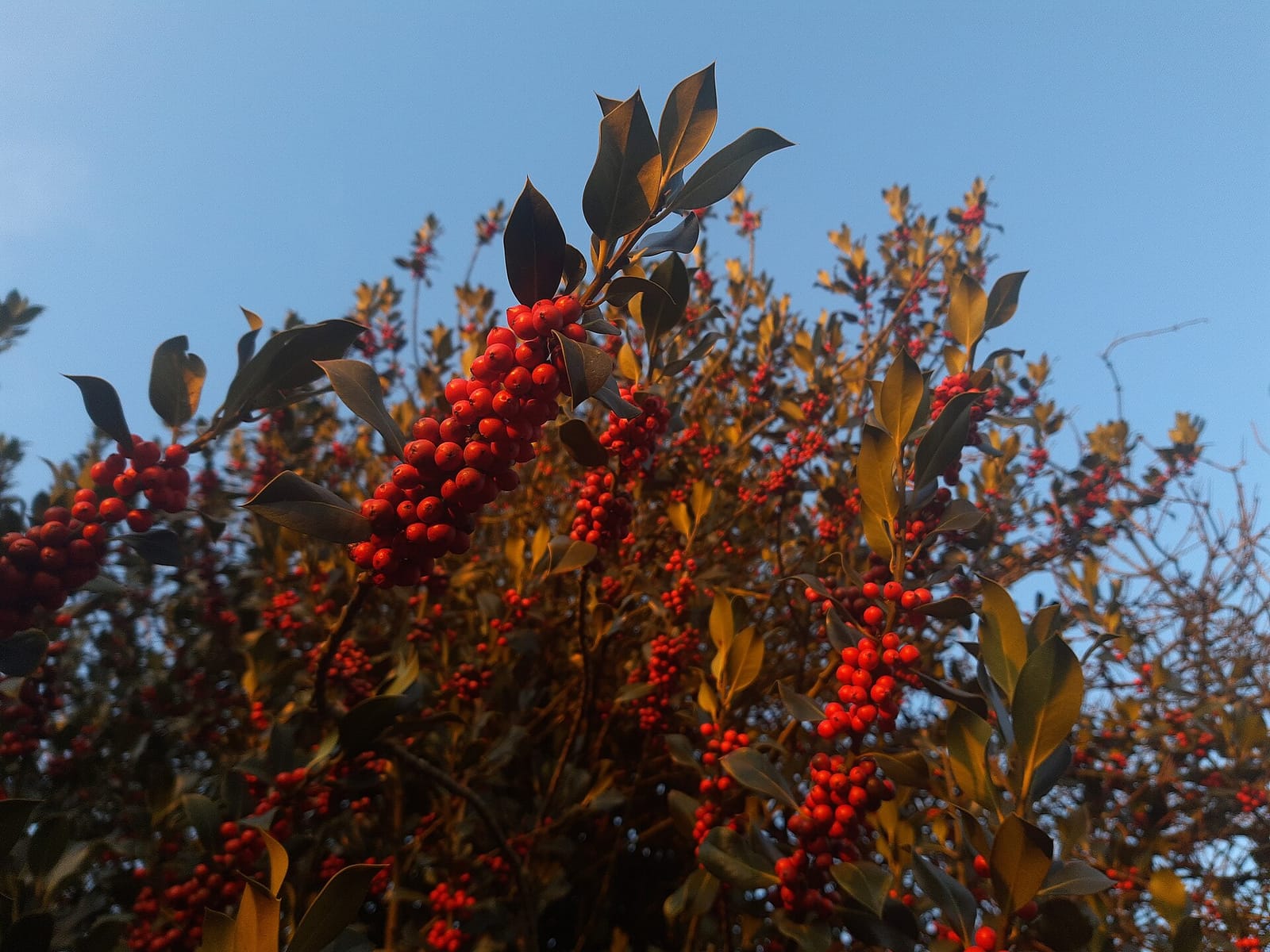
Pets. The ASPCA's American holly entry lists vomiting, diarrhea and depression (a dull, low-energy pet), caused by saponins. Its English holly entry adds that the leaves and berries are low in toxicity. Dr. Charlotte Means, toxicology director at the ASPCA Animal Poison Control Center, writes in Today's Veterinary Practice that pets may also drool, shake their heads or smack their lips, and that the spiny leaves can scratch the mouth. Most cases clear up within hours. The ASPCA's holiday safety tips still warn that holly can upset the stomach and, in some cases, affect the heart, so treat it as toxic.
Kids. NC State's Ilex aquifolium page says the berries are especially poisonous to children, though problems usually take a large amount. Poison Control says swallowed berries can cause nausea, vomiting and sometimes diarrhea, and children have had symptoms after as few as 2 berries. Its tip: pick the berries off before you decorate, because dried berries fall to the floor right where toddlers and pets find them.
Is mistletoe poisonous?
Read moreShow less
Pets. The ASPCA lists vomiting and diarrhea, and less often low blood pressure, trouble breathing and a slow heart rate. NC State's American mistletoe page rates the poison severity medium, mostly from eating a lot of berries. Dr. Means notes that serious drops in blood pressure are rare and mostly follow large amounts. The MSD Veterinary Manual is the most serious source: it says every part of American mistletoe is toxic, and that a toxic dose can bring on vomiting, heavy diarrhea, dilated pupils, fast and labored breathing, shock and, within hours, death from heart and circulation collapse. That's why we rate it moderate to severe for pets: most nibbles stay mild, and a large amount is an emergency.
American or European mistletoe? They're different plants. The mistletoe sold in the US is American mistletoe (Phoradendron). European mistletoe (Viscum album) is the more toxic of the two, per Poison Control and the Western Journal of Emergency Medicine review, and it isn't native to or sold in the US. Most of mistletoe's scary reputation comes from European mistletoe, and its serious cases mostly followed herbal teas. The MSD Veterinary Manual's pet entry covers American mistletoe only. Neither plant is safe for pets, so treat any mistletoe the same way.
Kids. Poison Control explains that the mistletoe sold for decorating in the US is American mistletoe, which is less toxic than European mistletoe. In a study of 1,754 exposures, most of them children, almost no one had symptoms and no one died. The California Poison Control System says one or two berries or leaves eaten by a child are unlikely to cause serious harm. Both suggest hanging it in netting or a bag, and Poison Control adds: never use it to decorate food.
Why are lilies in holiday bouquets dangerous for cats?
Read moreShow less
Holiday bouquets often include lilies, and the ASPCA's holiday safety tips call many of them highly toxic to cats. The ASPCA's Easter lily entry lists vomiting, loss of appetite, low energy and kidney failure, and says death is possible. Cats are the only animals known to be affected that way.
The US Food and Drug Administration (FDA) names the usual suspects: Asiatic, Easter, Japanese show, Oriental, rubrum, stargazer, tiger and wood lilies, plus daylilies. Every part counts, including pollen and the water in the vase. Early signs show up within 12 hours, kidney failure can follow within 3 days, and waiting 18 hours or more before treatment usually means lasting kidney damage. The FDA's advice is simple: in a home with cats, leave these lilies out of the bouquet.
Dogs don't get kidney failure from these lilies; the FDA says they may get a mild upset stomach. Peace lilies and calla lilies belong to a different plant group: they irritate the mouth and don't cause kidney failure, per the FDA.
Is a Christmas tree toxic to cats and dogs, and what about the water?
Read moreShow less
The tree. The ASPCA says Christmas trees aren't particularly toxic, and it asks you to anchor the tree so a climbing cat or a bumping dog can't tip it over. Dr. Means explains that fir, pine and spruce contain oils that can cause vomiting, a poor appetite or belly pain, usually mild and short. The needles can also scratch the mouth and gut, and a pet that eats a lot of them can end up with a blockage. Poison Control also describes a dog that gagged and coughed on swallowed needles. For people, the California Poison Control System says pine, spruce and fir needles aren't poisonous, though they can be a choking risk for small children.
The water. The ASPCA's holiday safety tips say tree water breeds bacteria that can cause nausea, diarrhea or an upset stomach, so keep it covered or out of reach. Poison Control agrees and adds:
- Store-bought preservatives usually contain fertilizer and sugar. In the small amounts kids and pets usually drink, they cause stomach upset at most.
- Homemade mixes can be riskier. Recipes with aspirin, bleach or alcohol include ingredients that are harmful to children and pets.
- Plain water is all the tree needs. The National Christmas Tree Association recommends nothing else, and our Christmas tree care guide explains how to keep a tree fresh with it.
Prefer a tree that's safe for pets and still alive in spring? A Norfolk Island pine is listed as non-toxic to cats and dogs, and our living Christmas trees guide covers it.
What to do if a pet or child eats a Christmas plant
- Find out which plant it was. Keep the plant, its label or a photo, because the FDA notes it helps the vet tell a dangerous lily from a harmless one.
- If a pet ate it, call your veterinarian. In the US you can also call the ASPCA Animal Poison Control Center at (888) 426-4435 (a consultation fee may apply).
- If a cat might have eaten or licked any part of a true lily or daylily, call right away, even if your cat seems fine. Early treatment matters most with lilies.
- If a person ate it, call Poison Help at 1-800-222-1222 in the US, or use Poison Control's webPOISONCONTROL online tool. It's free, confidential and open 24 hours a day, Christmas included.
- If it's an emergency, call 911.
Which Christmas plant myths can you stop worrying about?
Read moreShow less
Myth: poinsettias are deadly. The ASPCA lists the poinsettia as toxic to cats, dogs and horses, and calls it generally over-rated in toxicity: the milky sap irritates the mouth and stomach and sometimes causes vomiting. In a review of 22,793 poinsettia exposures reported to US poison control centers, 92% caused no symptoms, and none were fatal. The Western Journal of Emergency Medicine review traces the scary story back to a single, unconfirmed death in 1919. Poison Control adds that researchers couldn't find a poisonous dose even at about 500 to 600 leaves. So a poinsettia is fine in a home with pets and kids, kept out of reach. Our poinsettia care card has the full answer.
Myth: mistletoe kisses come with a death risk. The American mistletoe sold in the US caused no deaths among 1,754 exposures, per Poison Control and the same review, and the rare deaths on record came from brewed mistletoe tea. It's still toxic to pets, so keep the netting on.
Myth: with lilies, only a bite of the flower matters. The FDA says pollen and vase water are enough to harm a cat.
Myth: "non-toxic" means a pet can snack on it. The Christmas cactus, rosemary, moth orchid and Norfolk Island pine are on the ASPCA's non-toxic list, and their care cards still warn that eating enough of any plant can upset a pet's stomach.
Frequently asked questions (FAQ)
Are Christmas plants poisonous to cats?
Some are, and lilies are the most dangerous: a tiny amount can cause kidney failure in a cat. Amaryllis, cyclamen, kalanchoe and paperwhites are moderately toxic, mistletoe is moderate to severe, and poinsettia and holly are mildly toxic, per the ASPCA, NC State and the MSD Veterinary Manual. The poinsettia care card explains why its reputation is worse than the plant.
What Christmas plants are safe for cats and dogs?
The ASPCA lists the Christmas cactus, moth orchid, rosemary and Norfolk Island pine as non-toxic to cats and dogs. Any of them can still upset a stomach if a pet eats a lot. Our Christmas plants that last guide marks the pet-safe picks.
Are Christmas plants poisonous to kids?
Some are. Amaryllis, cyclamen, kalanchoe and mistletoe are moderate risks for children, per NC State and our care cards, and holly berries, paperwhites and poinsettias are low risks. Keep bulbs, berries and tubers out of reach, and call Poison Help at 1-800-222-1222 if a child eats some.
Is holly or mistletoe worse for pets?
Both are toxic to cats, dogs and horses, per the ASPCA. Mistletoe is worse. NC State rates its poison severity medium and holly's low, the ASPCA lists rare heart and breathing problems for mistletoe, and the MSD Veterinary Manual says a large enough dose can be fatal. Hang mistletoe in netting and pick the berries off holly before you decorate.
Is Christmas tree water bad for dogs?
It can upset a dog's stomach. Bacteria grow in standing water, and some homemade additives are harmful to pets. Use plain water and cover the stand.
Sources
- Holiday Safety Tips : ASPCA
- ASPCA Animal Poison Control plant entries: American holly, English holly, American mistletoe, Lily, Easter lily, Poinsettia, Amaryllis, Christmas cactus, Cyclamen, Kalanchoe, Paperwhite, Rosemary, Moth orchid, Australian pine (Norfolk Island pine)
- Poinsettia toxicology brief : ASPCA, Veterinary Medicine (2002)
- Christmas Plants: Hazards, History, and Holiday Dangers : Charlotte Means, DVM, ASPCA Animal Poison Control Center, Today's Veterinary Practice (2017)
- NC State Extension Gardener Plant Toolbox: Ilex opaca, Ilex aquifolium, Phoradendron leucarpum, Lilium, Euphorbia pulcherrima, Hippeastrum, Schlumbergera x buckleyi, Cyclamen persicum, Kalanchoe blossfeldiana, Narcissus tazetta, Salvia rosmarinus, Phalaenopsis, Araucaria heterophylla
- Houseplants and Ornamentals Toxic to Animals : Renee D. Schmid, DVM, MSD Veterinary Manual (reviewed 2023)
- Lovely Lilies and Curious Cats: A Dangerous Combination : US Food and Drug Administration
- Poison Control (National Capital Poison Center): Holly berries, Mistletoe, Poinsettias, Christmas tree preservatives, Pets and holiday hazards
- Holiday Plant Safety : California Poison Control System, UCSF School of Pharmacy
- Holiday Plants with Toxic Misconceptions : Evens and Stellpflug, Western Journal of Emergency Medicine (2012)
- Norfolk Island pine and pets : UC Master Gardeners of Fresno County