Wine and plant gift ideas: pairings that last
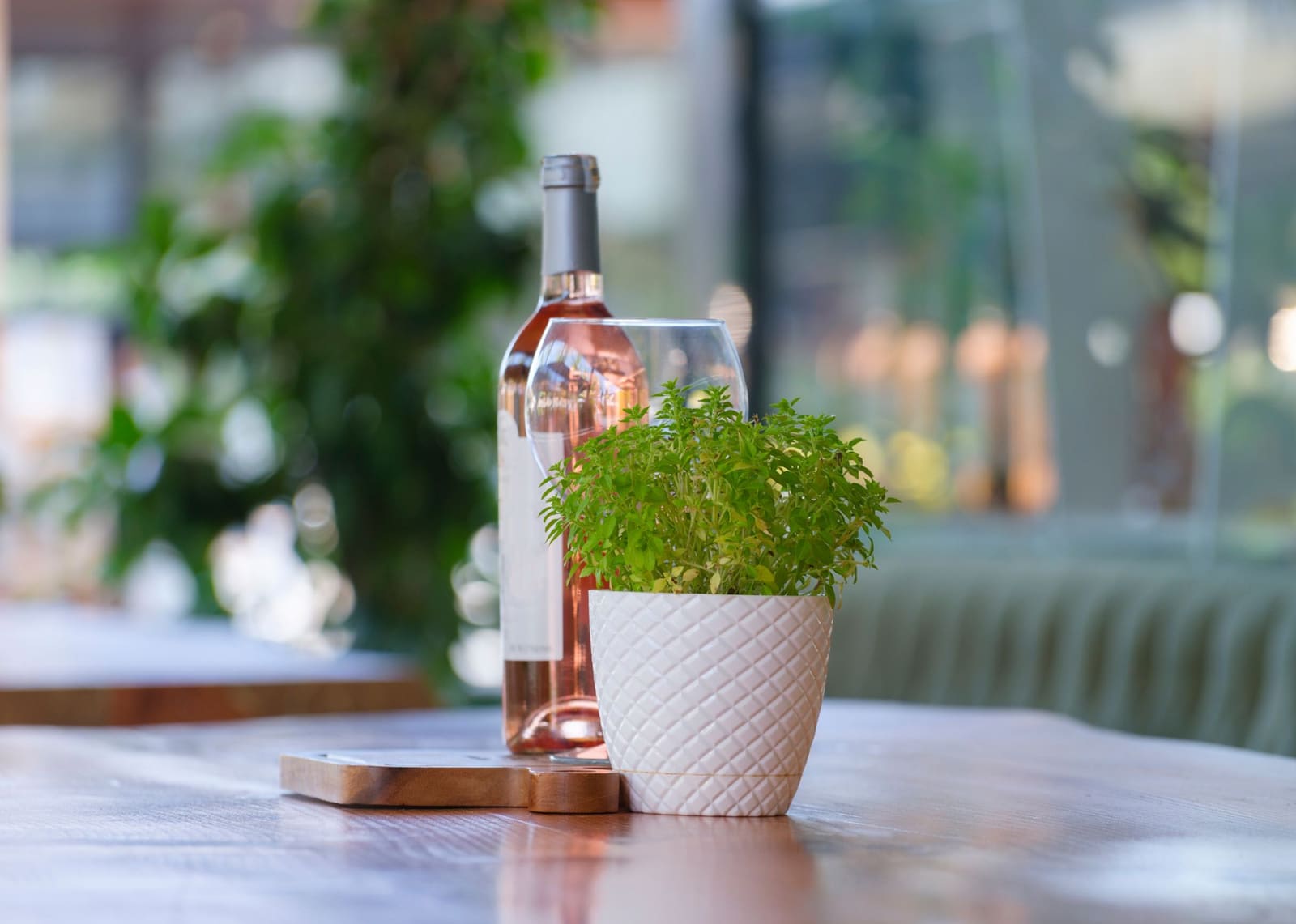
Pair a bottle with a plant that comes from the same part of the world, like a Mediterranean wine with a rosemary tree, and you've given one thing to enjoy tonight and one that keeps growing. If you aren't sure the host drinks, swap the wine for sparkling juice or tea. Pack the two apart, and keep the plant warm on the way.
Why do wine and a plant make a good gift?
Read moreShow less
A bottle is for sharing soon, and a plant is for the months ahead. A Christmas cactus can live for decades, and a moth orchid's flowers can last four months or more, so the plant half of the gift is still there long after the bottle is recycled.
There's one etiquette catch. The Emily Post Institute says to bring wine only if you know the host enjoys it, and never to expect it to be opened that night. Daniel Post Senning of the Institute told AARP the host has no duty to serve it. A plant takes the pressure off: nobody has to open, pour or plan around it.
What goes with wine as a gift?
Read moreShow less
Classic companions for a bottle are specialty foods and flowers, which the Emily Post Institute lists among good host gifts. A potted plant works like flowers that don't need a vase. For a food pairing, our cookie and plant guide has a rosemary cookie recipe that goes with a rosemary tree.
Which plant goes with which wine?
Here's the fun part: match the plant's wild home to a wine region nearby. These pairings are for the story only. We make no claims about how anything tastes.
| Plant | Where it grows wild | Pair it with | Why it fits | Pets |
|---|---|---|---|---|
| Rosemary | Dry Mediterranean hills, from Portugal and Spain to Turkey and North Africa | A wine from Spain, Portugal, Italy or Greece | Italy made more wine than any other country in 2024, and Spain ranked third, according to the International Organisation of Vine and Wine (OIV) | Safe for cats and dogs |
| Christmas cactus | Coastal mountains of southeastern Brazil | A Brazilian sparkling wine | In 2022, sparkling wine from Altos de Pinto Bandeira, in the mountains of southern Brazil, earned a protected designation of origin, reports Brazil's agricultural research agency, Embrapa. It's a different part of Brazil from the cactus's forests, but the same country | Safe for cats and dogs |
| Moth orchid | Tropical Asia to the Philippines and northern Australia | An Australian wine | Australia is one of the world's larger wine producers, the OIV reports | Safe for cats and dogs |
| Amaryllis | Tropical Central and South America, mainly Brazil and the Andes | An Argentine wine | Argentina made more wine than any other Southern Hemisphere country in 2024 (OIV), most of it in the province of Mendoza | Toxic to cats and dogs |
| Cyclamen | The eastern Mediterranean and North Africa, including Greece | A Greek wine | Greece is on the OIV's list of wine-producing countries | Toxic to cats and dogs, the tuber most of all |
Giving to a home with cats or dogs? Stick to the first three rows. Amaryllis and cyclamen are lovely, but the ASPCA lists both as toxic to pets.
What if the host doesn't drink?
Read moreShow less
Daniel Post Senning of the Emily Post Institute told AARP to think twice before bringing alcohol, because some people don't want it. The Institute's own list of drinks beyond wine includes juices, cider, sparkling water and tea. Some pairings that still tell a story:
- Bromeliad and pineapple juice. The pineapple is a bromeliad itself (UF/IFAS, Clemson). Bromeliads are safe for cats and dogs.
- African violet and a box of tea. African violets come from shaded forests in Tanzania, a country that also grows tea. Safe for cats and dogs.
- Lemon balm and a tea set. NC State Extension says its leaves and flowers can be used for tea, and the ASPCA lists lemon balm (Melissa officinalis) as non-toxic to cats and dogs.
- Any plant and sparkling juice or cider. Festive, easy to find, and everyone at the table can share it.
How do you pack a bottle and a plant together?
- Give each its own container: the bottle in a bottle bag or sleeve, the plant in a small box or basket, so damp soil can't stain the label or the paper and the bottle can't knock the plant over.
- If you use one basket for both, set the plant in a saucer or plastic liner, and pad the bottle with tissue so it can't roll into the leaves.
- Wrap the plant fully before going outside, top included, with floral paper or a paper sleeve.
- Warm up the car first, and carry the plant in the front with the heater on. Never put it in the trunk, which gets too cold.
- Go straight to the party, and never leave the plant waiting in a parked car.
- At the door, hand over the plant first, and unwrap it from the bottom up on a steady surface. Don't leave it wrapped for more than a day.
The cold matters more than people expect. Extension services at the University of Arkansas and Virginia Tech say many houseplants are damaged below about 50°F (10°C), and Purdue Extension warns that the walk from the store to the car can be enough to hurt some plants. Our Christmas party gift guide has the full routine and the coldest temperature each party plant handles.
Frequently asked questions (FAQ)
Is wine and a plant a good host gift?
Yes, as long as you know the host enjoys wine. The plant lasts for months or years, and the host doesn't have to serve the bottle that night. If you're unsure, pair the plant with sparkling juice or tea.
Which plant is safe to give with wine to a home with pets?
Rosemary, Christmas cactus, moth orchid, African violet and bromeliad are all safe for cats and dogs, according to the ASPCA. If a pet chews on a plant and seems unwell, call your vet. In the US, you can also call the ASPCA Animal Poison Control Center at (888) 426-4435 (a fee may apply).
Can I put the plant and the bottle in the same gift bag?
You can, if the plant sits in a liner so soil and water stay put, and the bottle is padded so it can't lean on the leaves. Separate bags are easier to carry and kinder to the plant.
Sources
- State of the World Vine and Wine Sector in 2024 : International Organisation of Vine and Wine (OIV)
- Pesquisa ajuda Brasil a conquistar denominação de origem de espumantes : Embrapa (in Portuguese)
- Mendoza produce más del 78% del vino argentino : Government of Mendoza (in Spanish)
- Simple tips for gifting wine and Creative non-alcoholic beverages : The Emily Post Institute
- Etiquette rules : AARP, with Daniel Post Senning
- Melissa officinalis : NC State Extension Gardener Plant Toolbox
- Lemon Balm and Toxic and Non-Toxic Plant List : ASPCA Animal Poison Control
- Wrap It Up : Purdue Consumer Horticulture
- Tips for Giving Plants as Holiday Gifts : Chicago Botanic Garden
- Transporting House Plants : University of Arkansas Cooperative Extension
- Indoor Plant Culture : Virginia Cooperative Extension
- Plant native ranges and pet safety: the Grove care cards for rosemary, Christmas cactus, moth orchid, amaryllis, cyclamen, bromeliad and African violet, each with its own sources