Christmas gift plants: the best ones to give, and how to choose
By the Grove Plant Care team · Updated November 10, 2026
The best Christmas gift plants are already in bloom or close to it, easy to keep going in a December home, and safe for the recipient's cats and dogs if they have any. The poinsettia and Christmas cactus are the classics, with moth orchids, amaryllis and cyclamen close behind. To choose, match the plant to three things: the light the person has, their pets, and how much plant experience they bring.
How the filters work: "Safe for cats and dogs" means the ASPCA lists the plant as non-toxic. When the ASPCA has no listing, NC State Extension's non-toxic listing counts, and the card says "Non-toxic to cats and dogs (NC State)". "In bloom for the holidays" means it usually flowers in December, is sold in bloom then, or (for amaryllis and paperwhite bulbs) blooms in time for Christmas when planted in early to mid November. "Easy for beginners" means the plant's care rating is Easy or Easy to moderate, scored the way we rate plants.
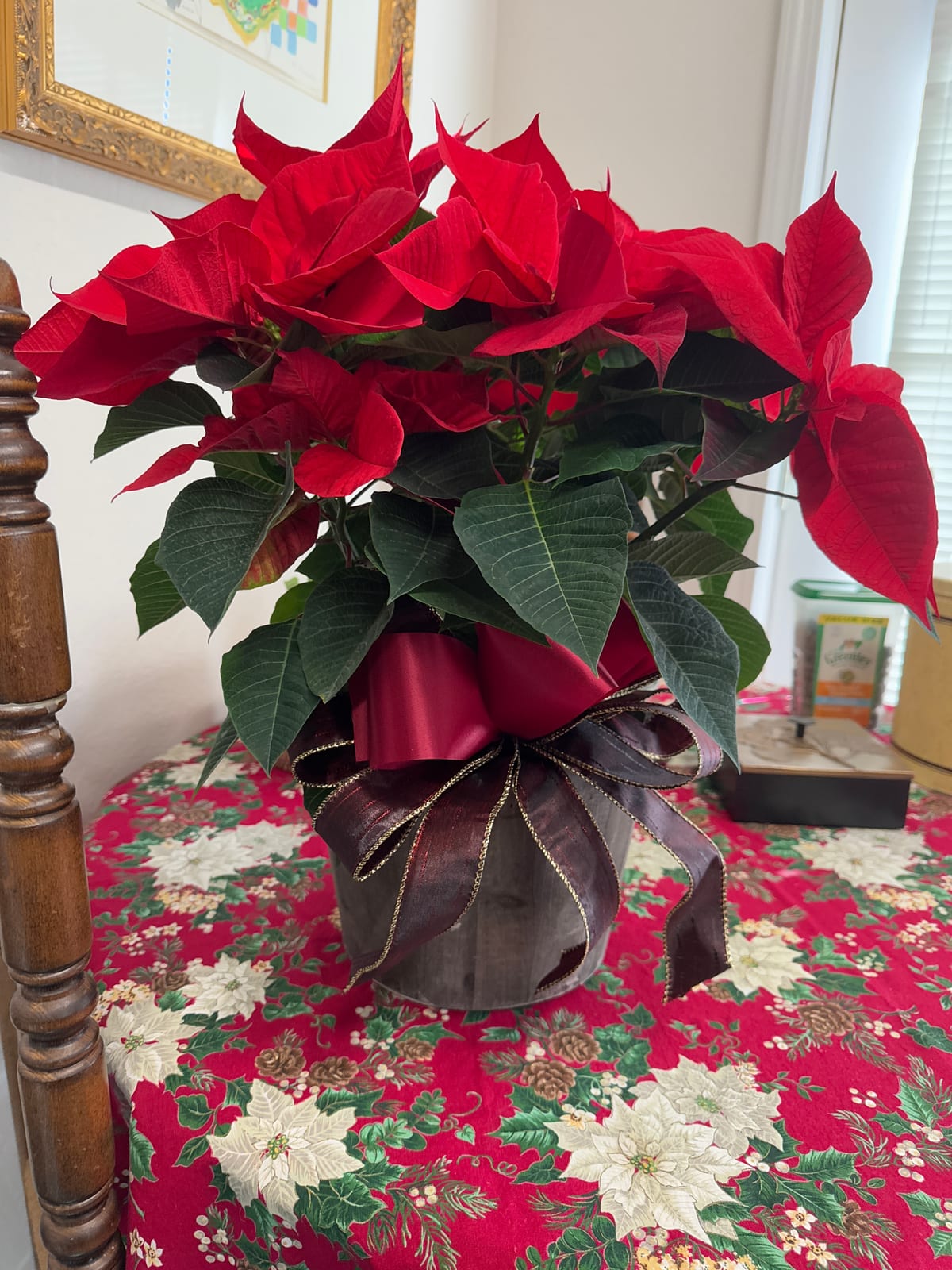
The Christmas classic, wild in Mexico (where it's the nochebuena) and only mildly toxic to pets: the ASPCA calls its reputation over-rated. Keep it in bright, indirect light, away from drafts and heat vents.
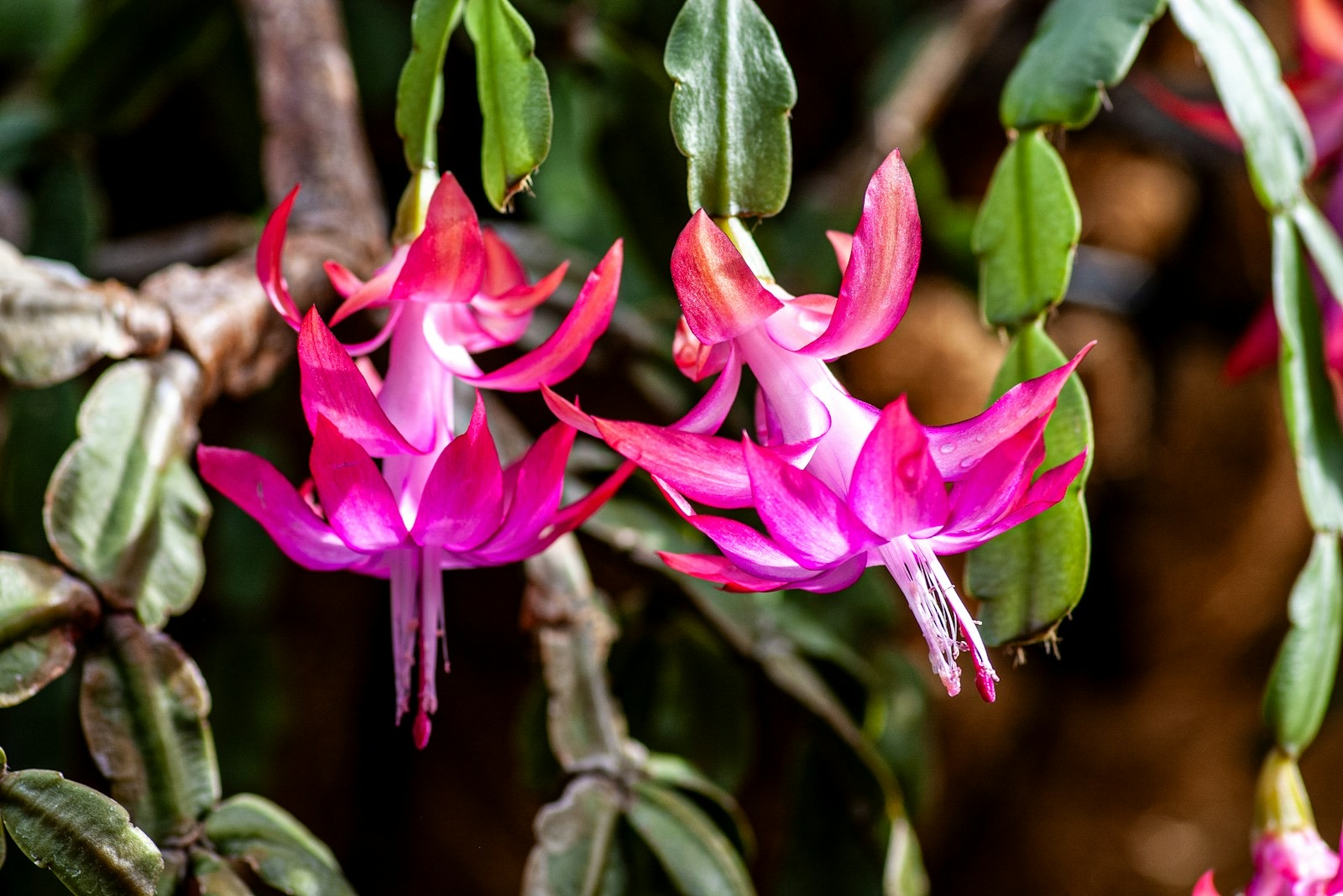
Safe for cats and dogs, in bloom from December, and able to live for generations, so it can become a plant people pass down. Long, dark nights in fall bring the next round of flowers.
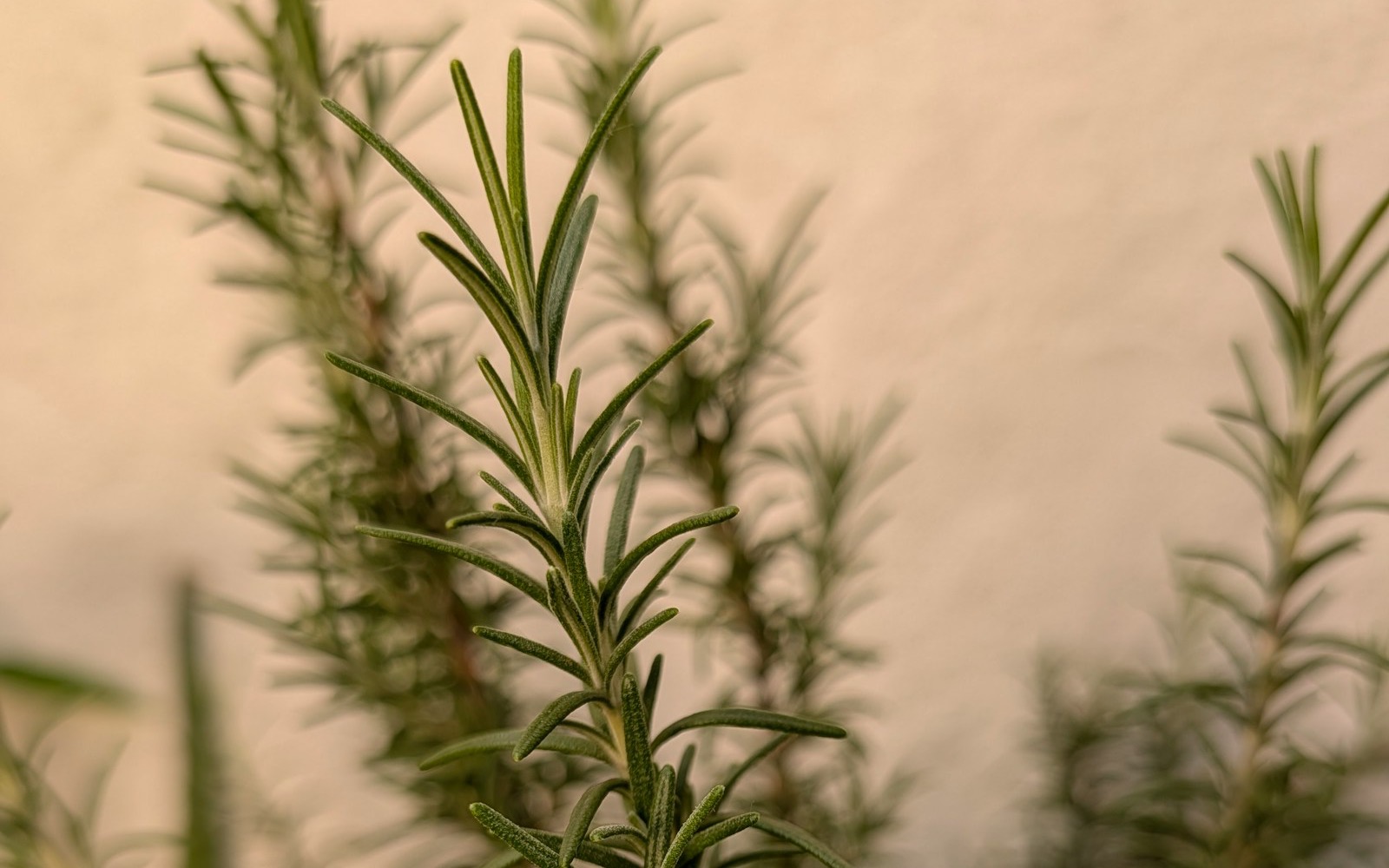
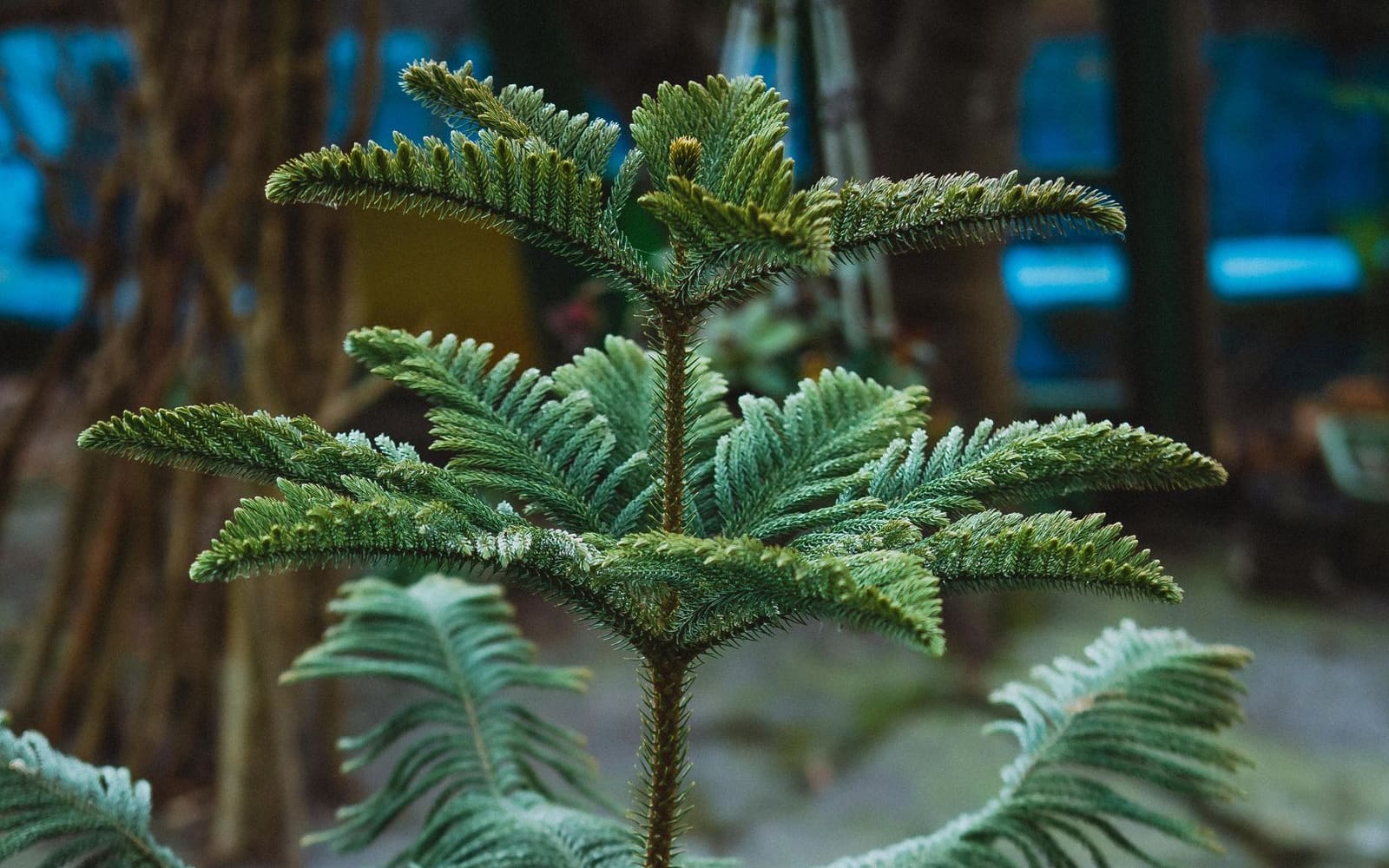
A gift for the cook, safe for cats and dogs, and often sold at the holidays trimmed into a little Christmas tree. Give it your sunniest window and a cool room to get it through winter.
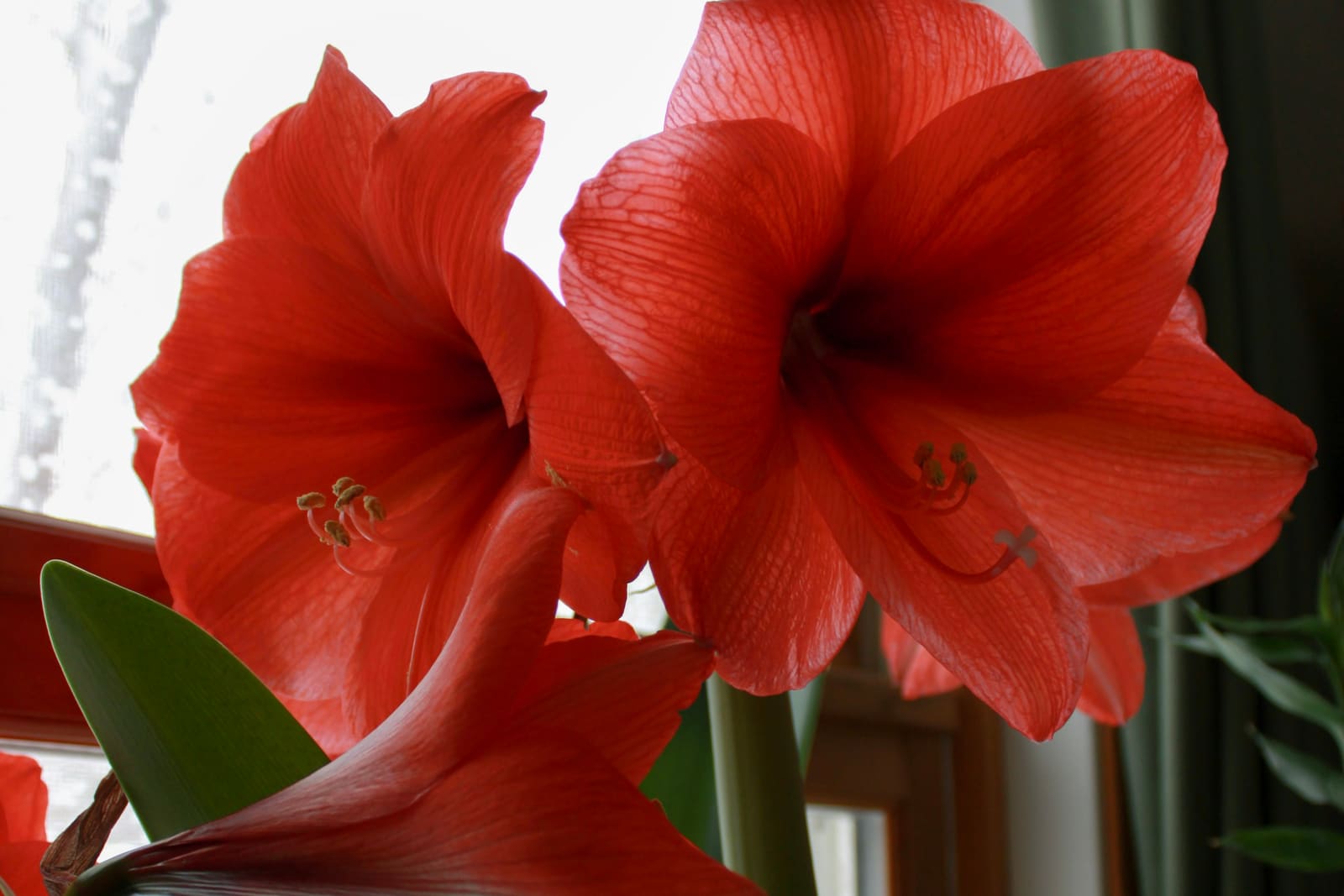
The holiday bulb with giant trumpet flowers: pot it in early to mid November and it can bloom by Christmas. Keep it away from pets, because the bulb is the most poisonous part.
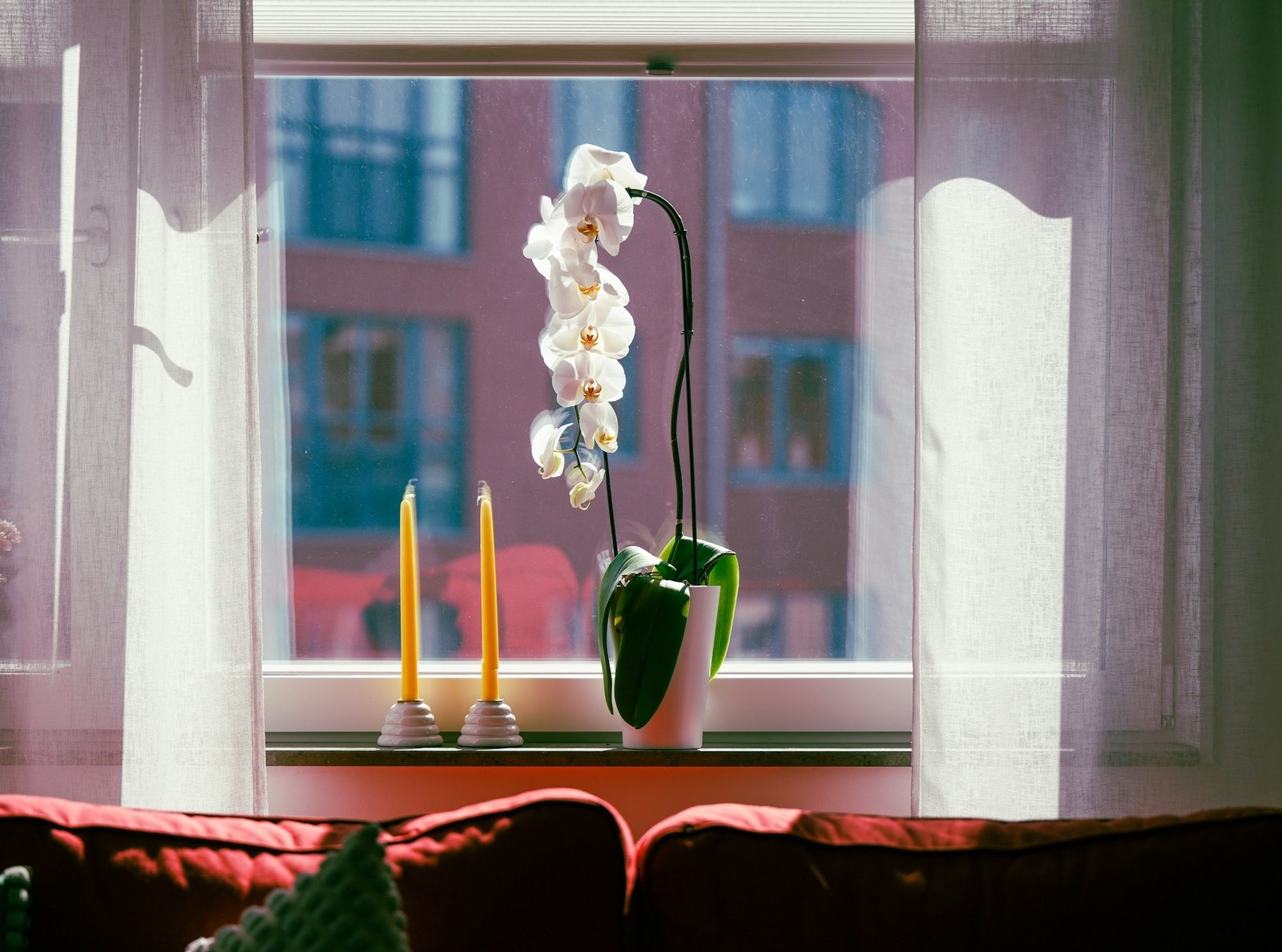
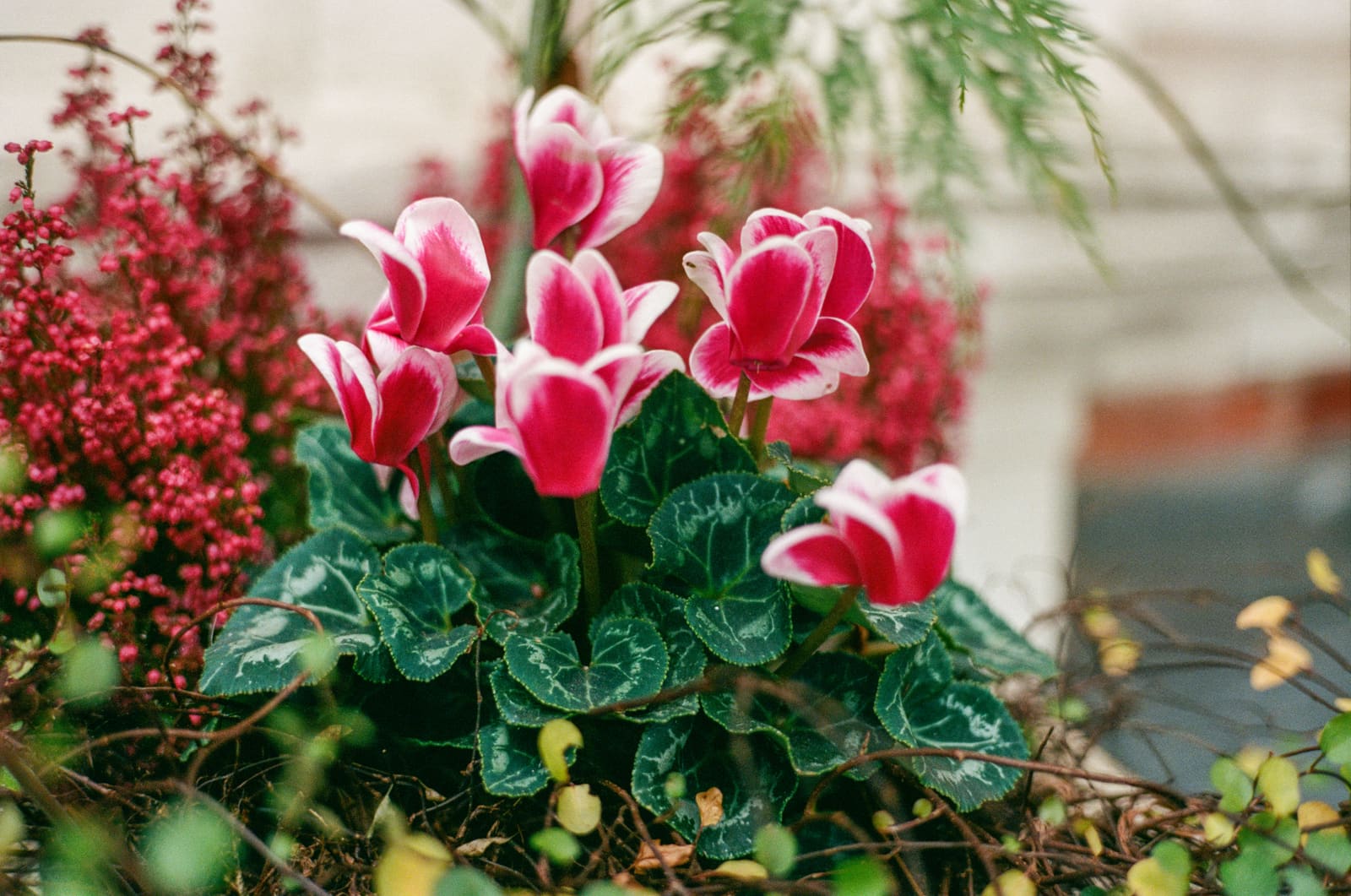
Swept-back petals over silver-marbled leaves, sold in bloom from fall into spring. It wants a cool room, and it is toxic to pets, the tuber most of all.
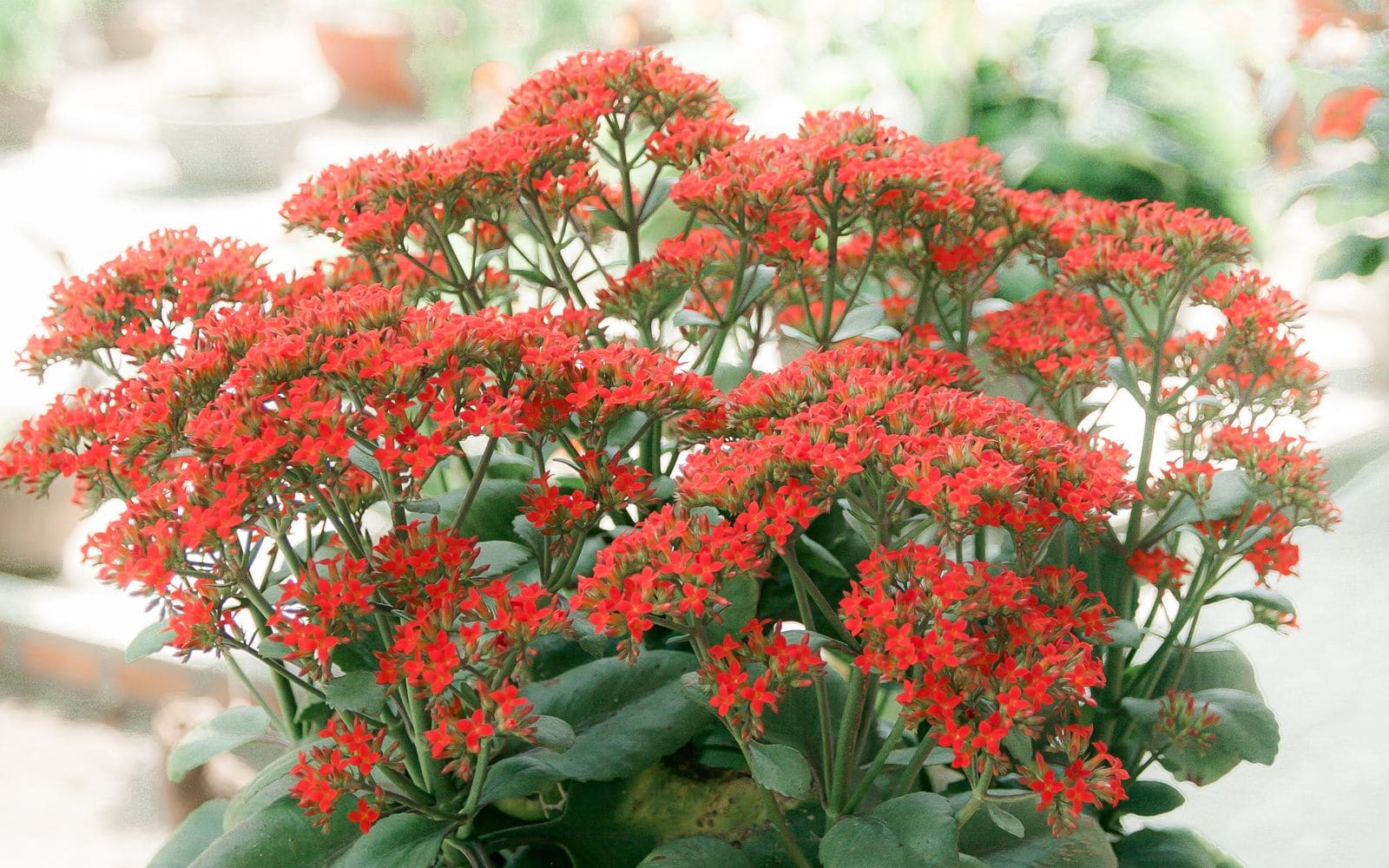
A cheerful succulent also called Christmas kalanchoe, with flowers that last for weeks. Let the soil dry between drinks, and keep it away from cats and dogs: it is toxic to both.
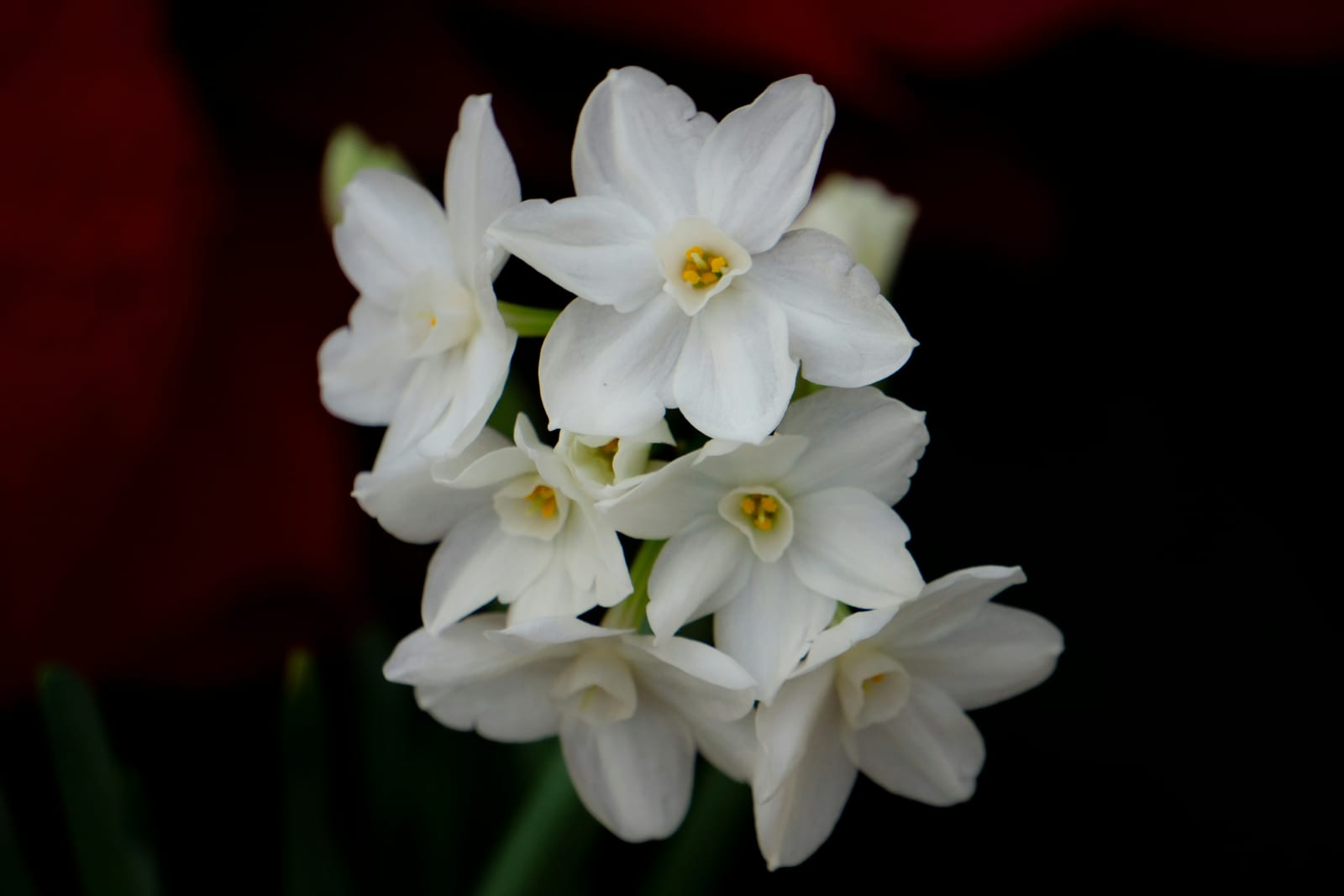
Clusters of white flowers from a bowl of pebbles and water, about 4 to 6 weeks after planting, with no cold period needed. Every part is toxic to pets, the bulbs most of all.
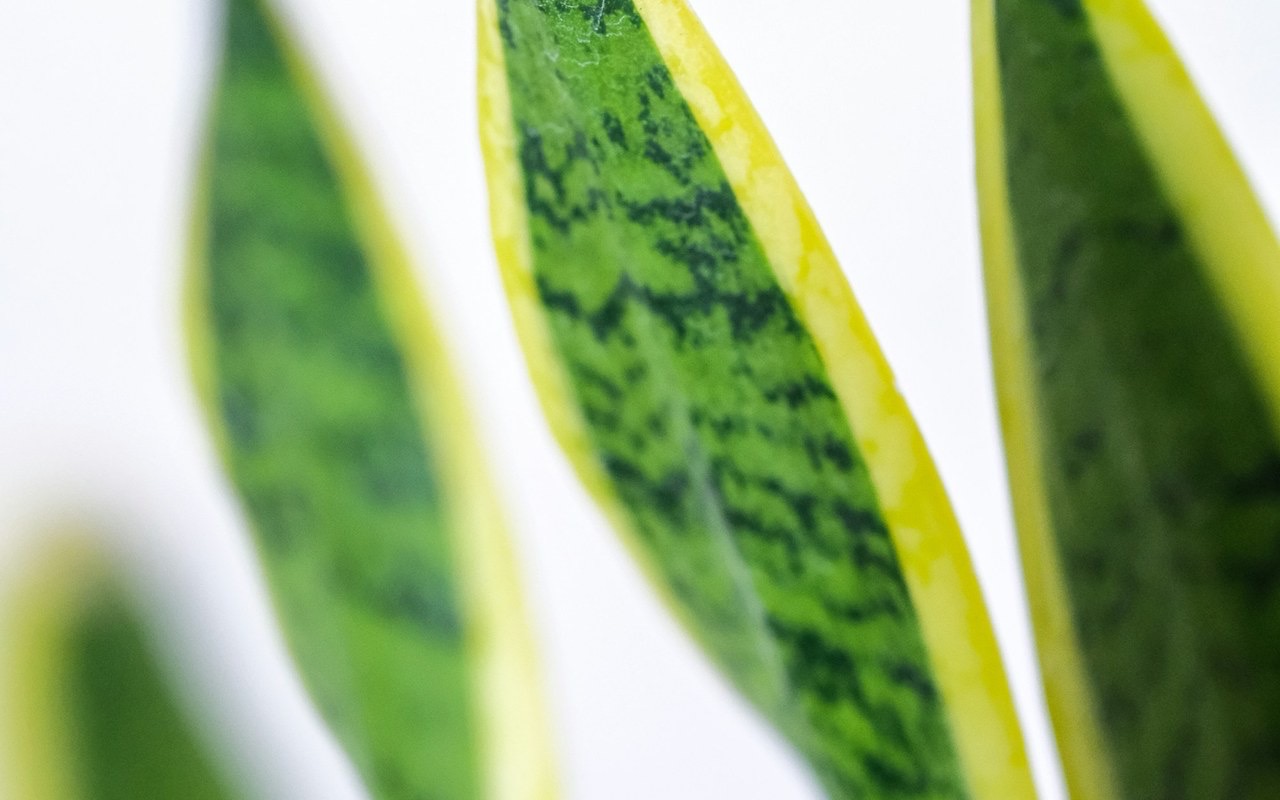
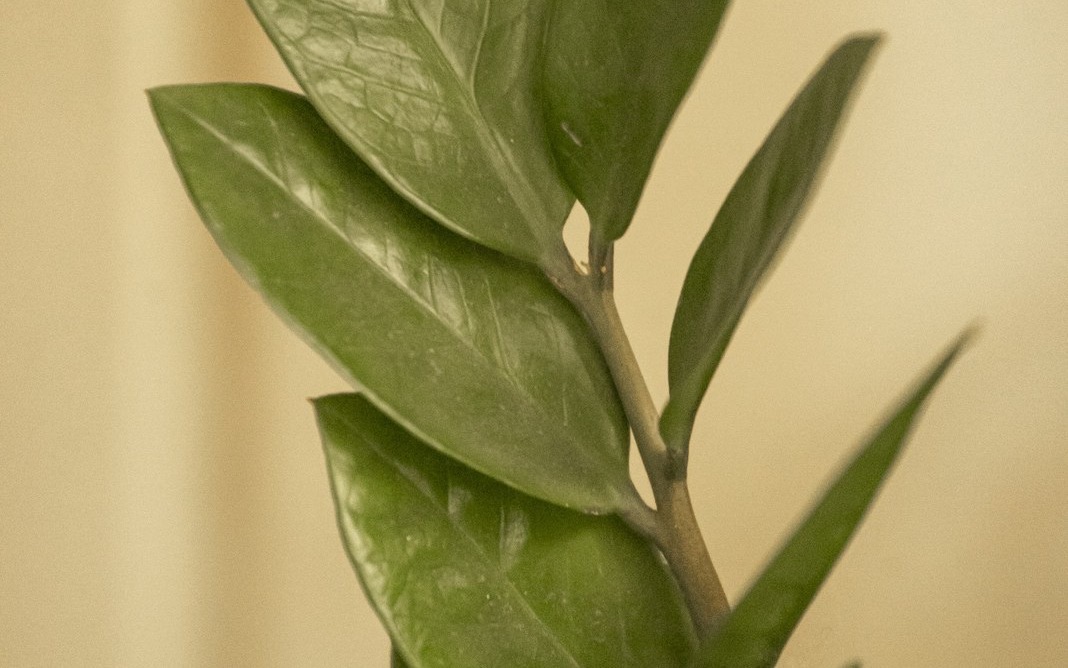
About as low effort as houseplants get: water only when the soil is completely dry, and it is fine in a dim room. Toxic if chewed, so give it to someone without pets.
Each card links to the plant's full care card, with its care rating, light, water and pet safety, all traced to university extension services, the ASPCA or botanical gardens.
How do I choose the right Christmas plant for someone?
Read moreShow less
A sunny window.Rosemary wants 6 or more hours of sun and a cool room in winter, and it's a treat for someone who cooks. At the holidays it's often sold trimmed into a little Christmas tree. UF/IFAS says that shape grows out as the plant grows and gets snipped for the kitchen, and that's fine. An amaryllis bulb also grows best in a sunny window.
A cool room. A cyclamen is happiest with nights near 50°F (10°C), and warm rooms are its biggest enemy. Paperwhites also like a sunny, cool spot, which keeps their stems short.
A dim corner. The snake plant and ZZ plant both handle a dim corner, and they'd rather be left alone than fussed over.
Cats or dogs at home. Turn on "Are safe for pets" above, and see Christmas plants and pets for holly, mistletoe and the tree.
Someone who has every plant already. Try something unusual from unique plant gifts.
Which Christmas plants are safe for cats and dogs?
Read moreShow less
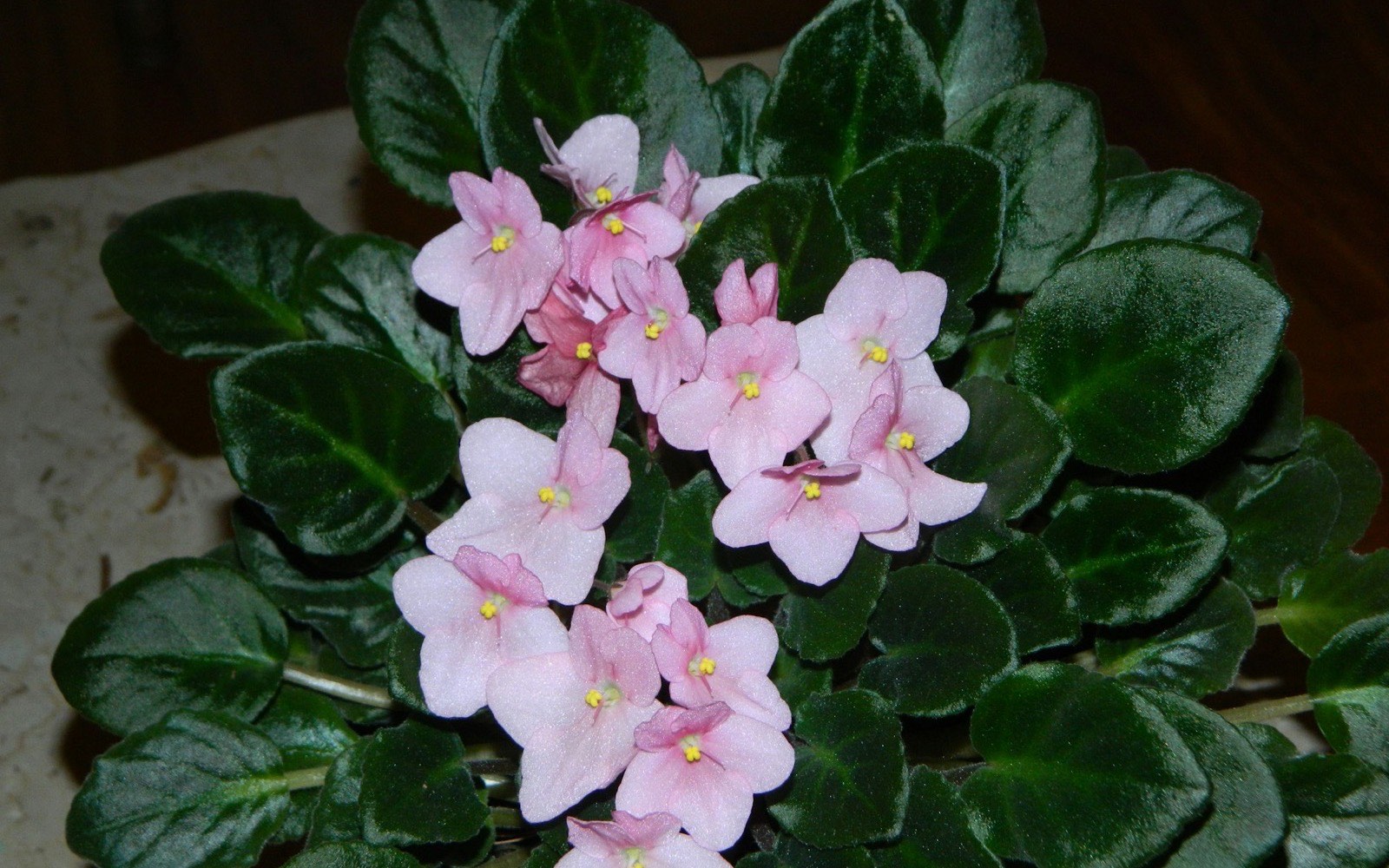
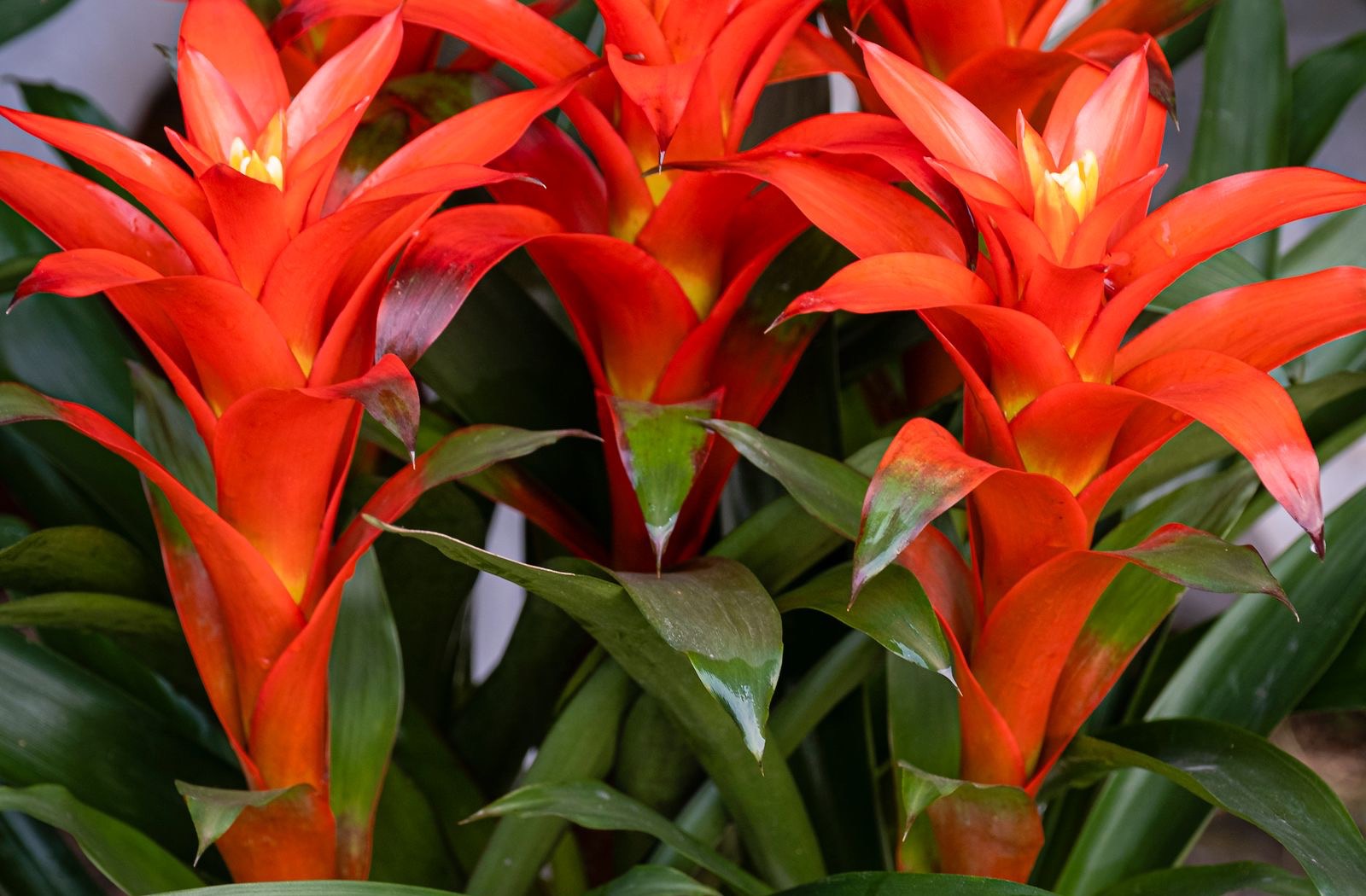
Of the thirteen here, the ASPCA lists the Christmas cactus, moth orchid, African violet, bromeliad, rosemary and Norfolk Island pine as non-toxic to cats and dogs. The poinsettia is toxic, but mildly: the ASPCA calls its reputation "generally over-rated", and its milky sap mostly irritates the mouth and stomach. The amaryllis, paperwhite, cyclamen and kalanchoe are toxic, and the bulbs or tuber are the most dangerous part of the first three. The snake plant and ZZ plant are toxic too.
Holly, mistletoe, lilies in bouquets and the water in a Christmas tree stand are covered, with signs and who to call, in Are Christmas plants poisonous to pets?
Most of these keep going for months or years, and each care card answers what to do next. For the ones that stay festive long after New Year, see Christmas plants other than poinsettia.
Poinsettia: keep it bright and water when the top is dry; it can summer outside. After Christmas
Christmas cactus: it lives for decades, and long or cool fall nights bring the next flowers. Getting it to bloom again
Amaryllis: cut the faded stalk and keep every leaf, because the leaves feed next year's flowers. After it blooms
Cyclamen: yellowing leaves in late spring usually mean it's going dormant. Dead or dormant?
Kalanchoe: pinch off faded flowers and keep it in a sunny window. When it stops blooming
Norfolk Island pine: keep it as a houseplant for years. After Christmas
Paperwhites: most experts say to toss forced bulbs and start fresh next year. Forcing them again
Bromeliad: the mother plant slowly fades after blooming while it grows pups that carry on. After it blooms
What plants are associated with Christmas?
Read moreShow less
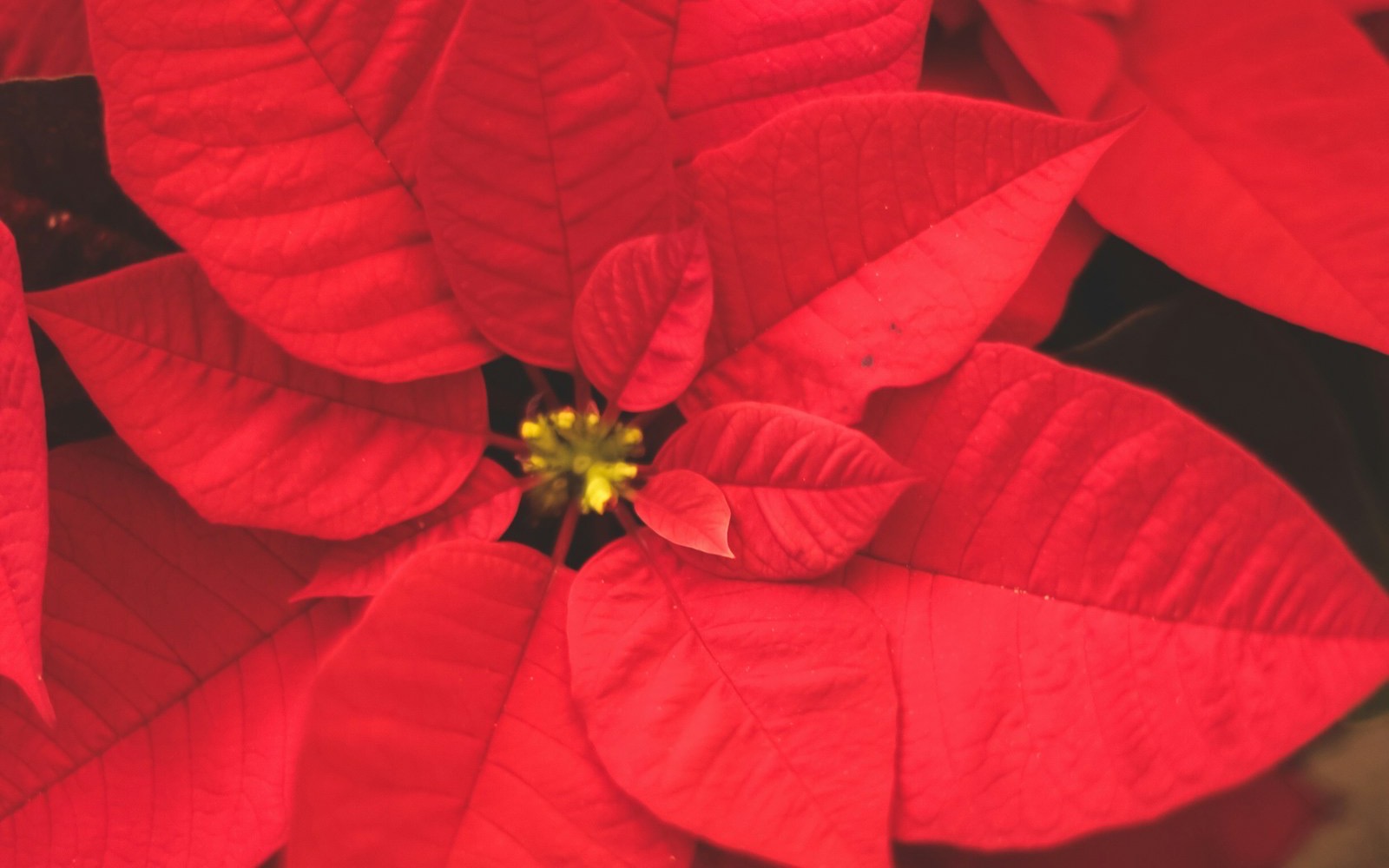
Poinsettia. The best-known Christmas plant, from Mexico, where it's the nochebuena. Its red "petals" are leaves called bracts, and the true flowers are the tiny yellow cups in the center.
Christmas cactus. A rainforest cactus from Brazil whose hybrid was bred in England in the 1840s. It blooms from December, and many plants are passed down for generations.
Kalanchoe. Also called Christmas kalanchoe, and a holiday plant for extension services in Kentucky, North Dakota and Illinois. Growers time its flowers for the season. Left to itself, it blooms in January and February, says the University of Arkansas Extension.
Amaryllis and paperwhites. The two holiday bulbs. Paperwhites need no cold period, so a bowl of pebbles and water is enough.
Yes, if it goes to a bright, warm spot. Give it bright, indirect light, keep it between 65 and 70°F (18 to 21°C) and away from drafts, and water when the top of the soil is dry. It's toxic to pets, but mildly, so set it where they can't chew it. See the poinsettia care card.
What is the most popular Christmas plant?
The poinsettia. Clemson Extension says more than 70 million are sold in the US each year.
When should I plant amaryllis and paperwhites to bloom for Christmas?
In early to mid November. An amaryllis usually blooms 4 to 8 weeks after potting, and paperwhites about 4 to 6 weeks after planting. See the amaryllis and paperwhite care cards.
Can a houseplant be a Christmas tree?
Yes. A Norfolk Island pine is the classic living Christmas tree: decorate it lightly with LED lights and small ornaments, then keep it as a houseplant. Read more in living Christmas trees.
Is a plant a good Christmas gift for someone with pets?
Yes, if you pick one the ASPCA lists as non-toxic: a Christmas cactus, moth orchid, African violet, bromeliad, rosemary or Norfolk Island pine. Even a safe plant can upset a pet's stomach if it eats a lot.