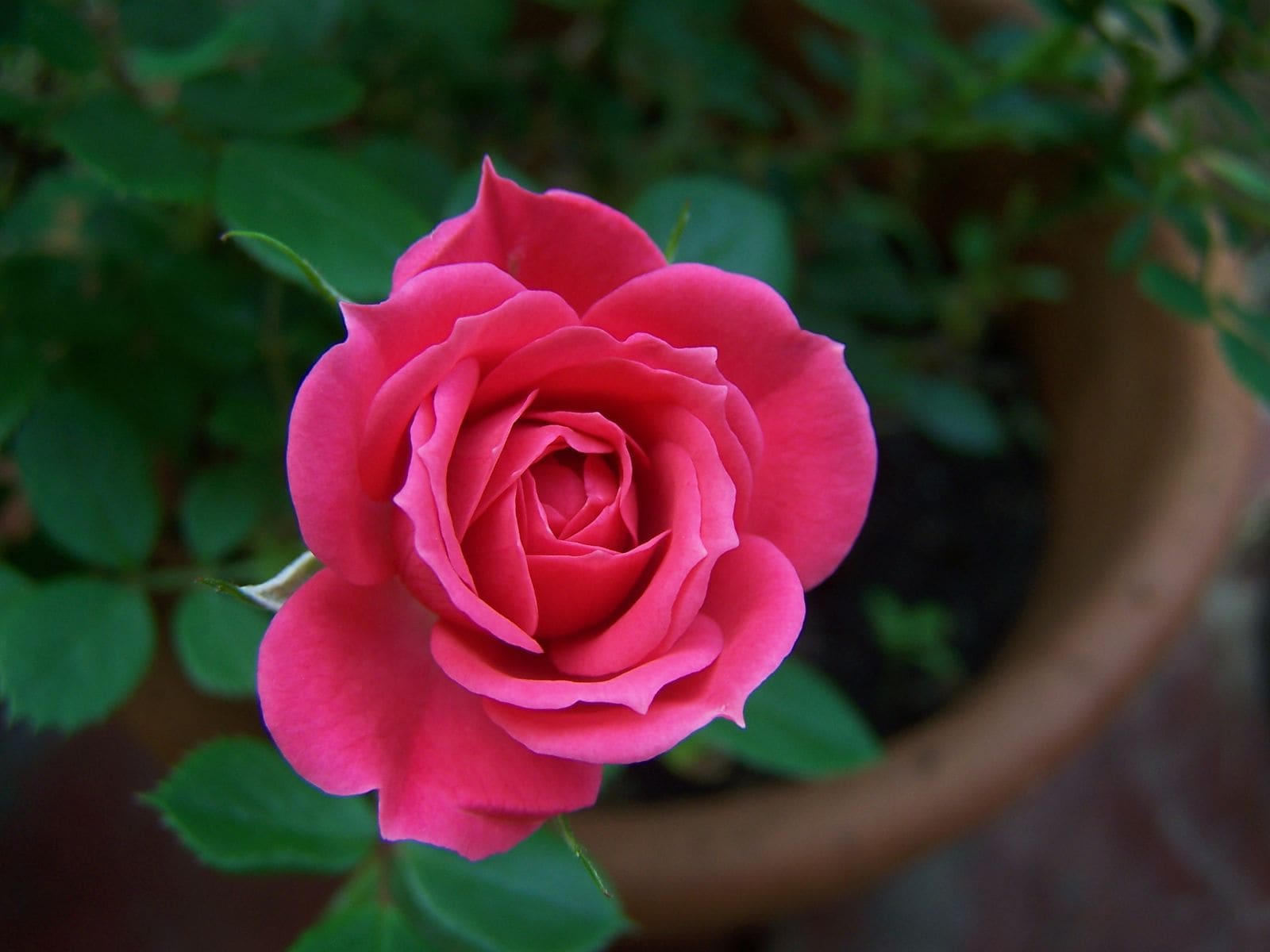
Miniature rose
Rosa Miniature Group
The living version of a dozen roses, in red, pink or white. It wants a sunny south or west window, and after your last frost it can move outside to keep blooming.
- Safe for cats and dogs
Cut roses look great for about a week or two. A living plant can keep going for months, and some for years. Here are eight Valentine's gifts that grow, led by the potted rose, with pet safety for every one, plus the bouquet flowers that are dangerous for cats.
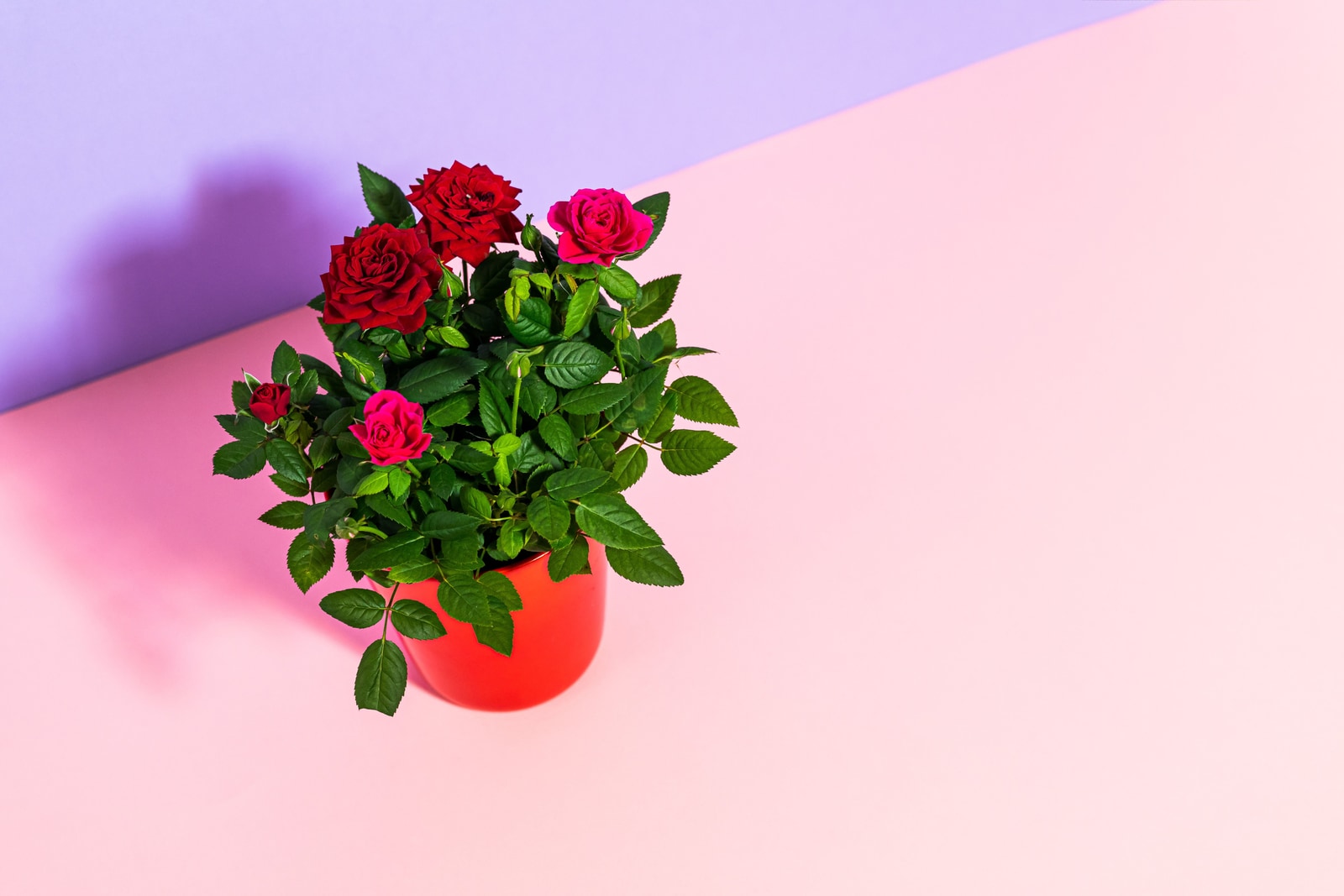
Eight living gifts in red and pink. Use the filters to find one that's safe for pets or easy for a beginner.
Rosa Miniature Group
The living version of a dozen roses, in red, pink or white. It wants a sunny south or west window, and after your last frost it can move outside to keep blooming.
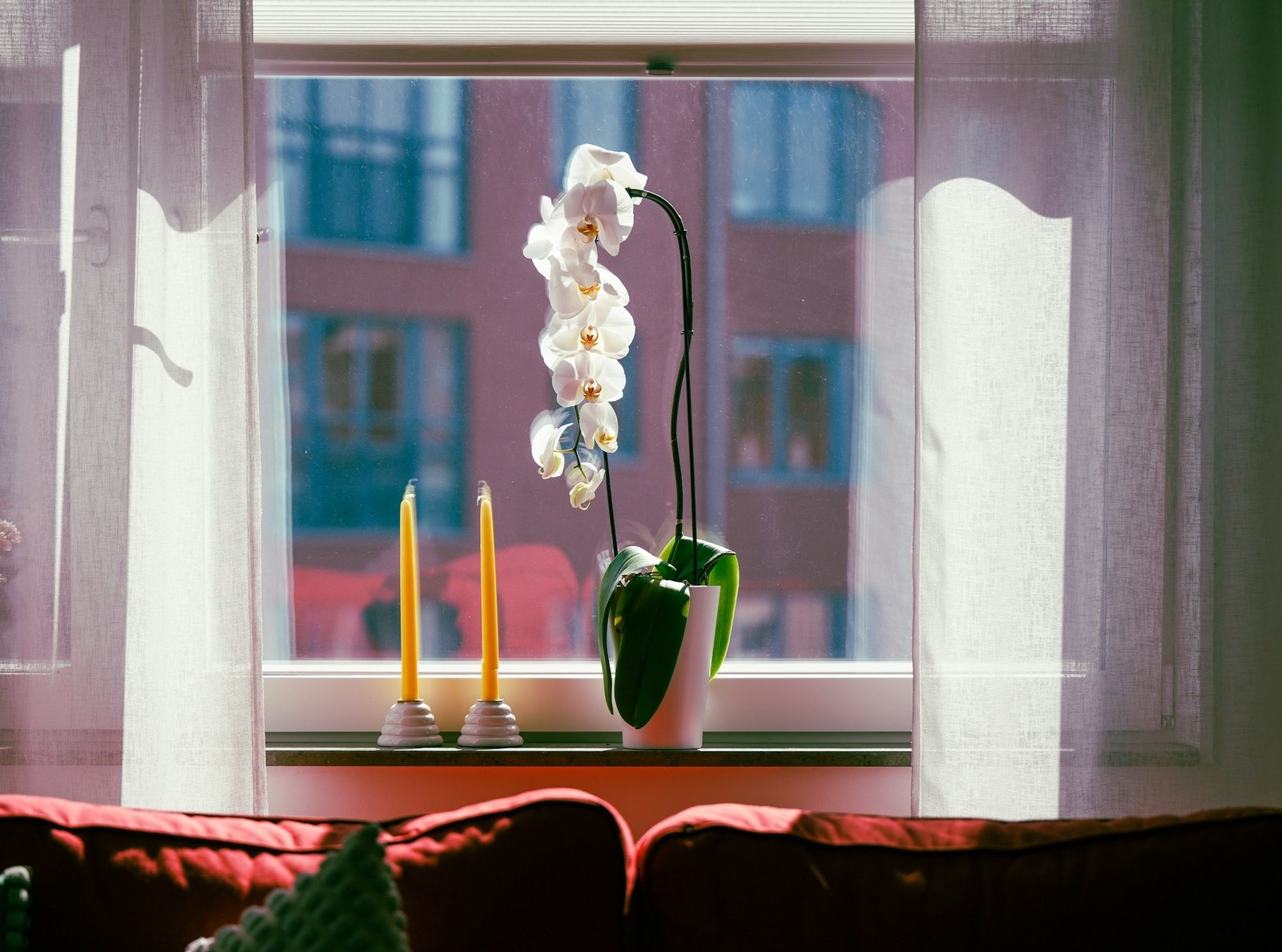
Phalaenopsis
Pink is one of its most common colors, and the flowers can last four months or more. There is no true red moth orchid, so a red or blue one has been dyed.
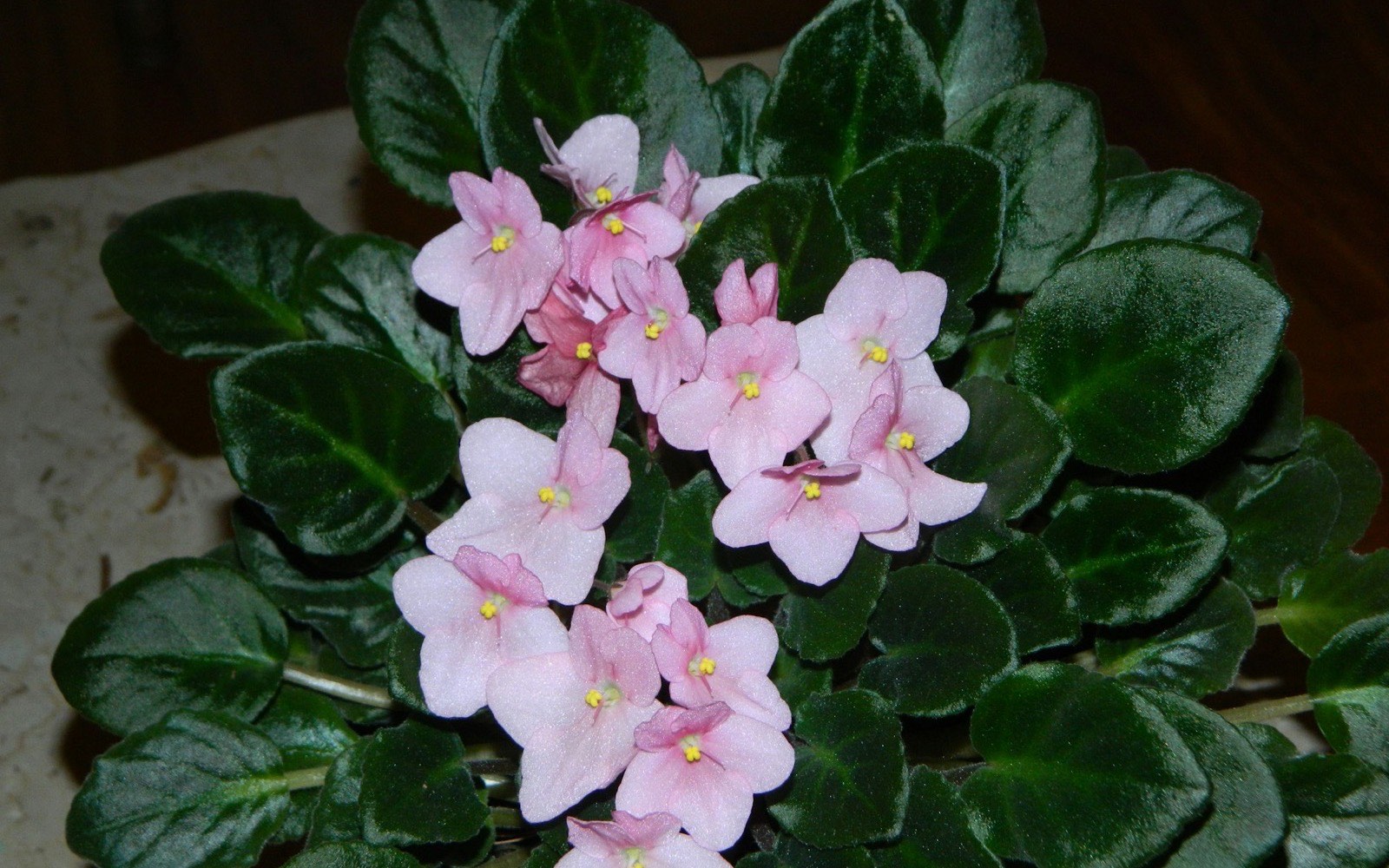
Streptocarpus ionanthus
Small enough for a desk, with pink and red-pink flowers among its colors. On a bright windowsill it blooms almost all year.
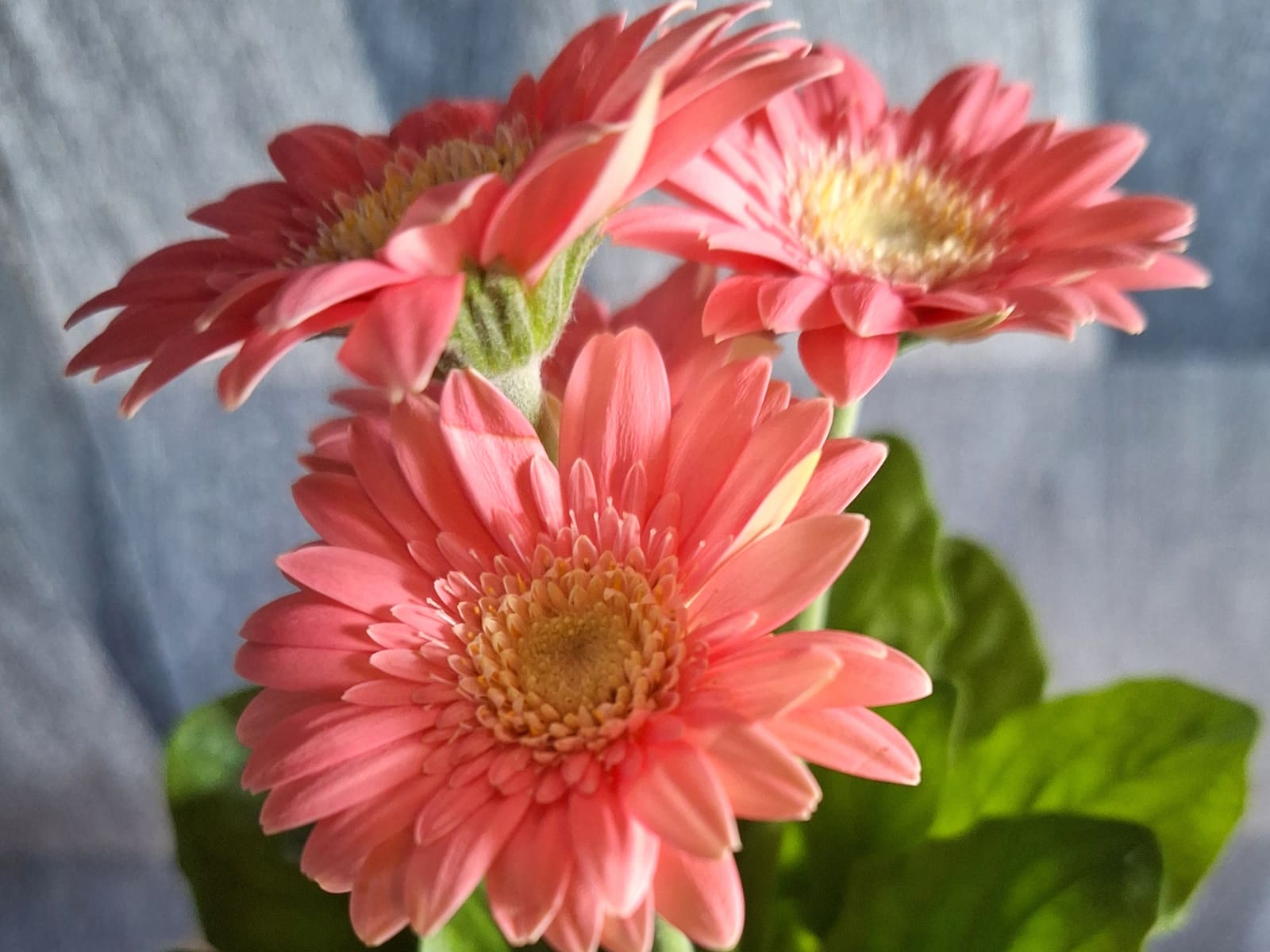
Gerbera jamesonii
Big, bright daisies in red, pink and more. It likes a bright, cool spot, and getting it to bloom again is hard, so enjoy this round of flowers.
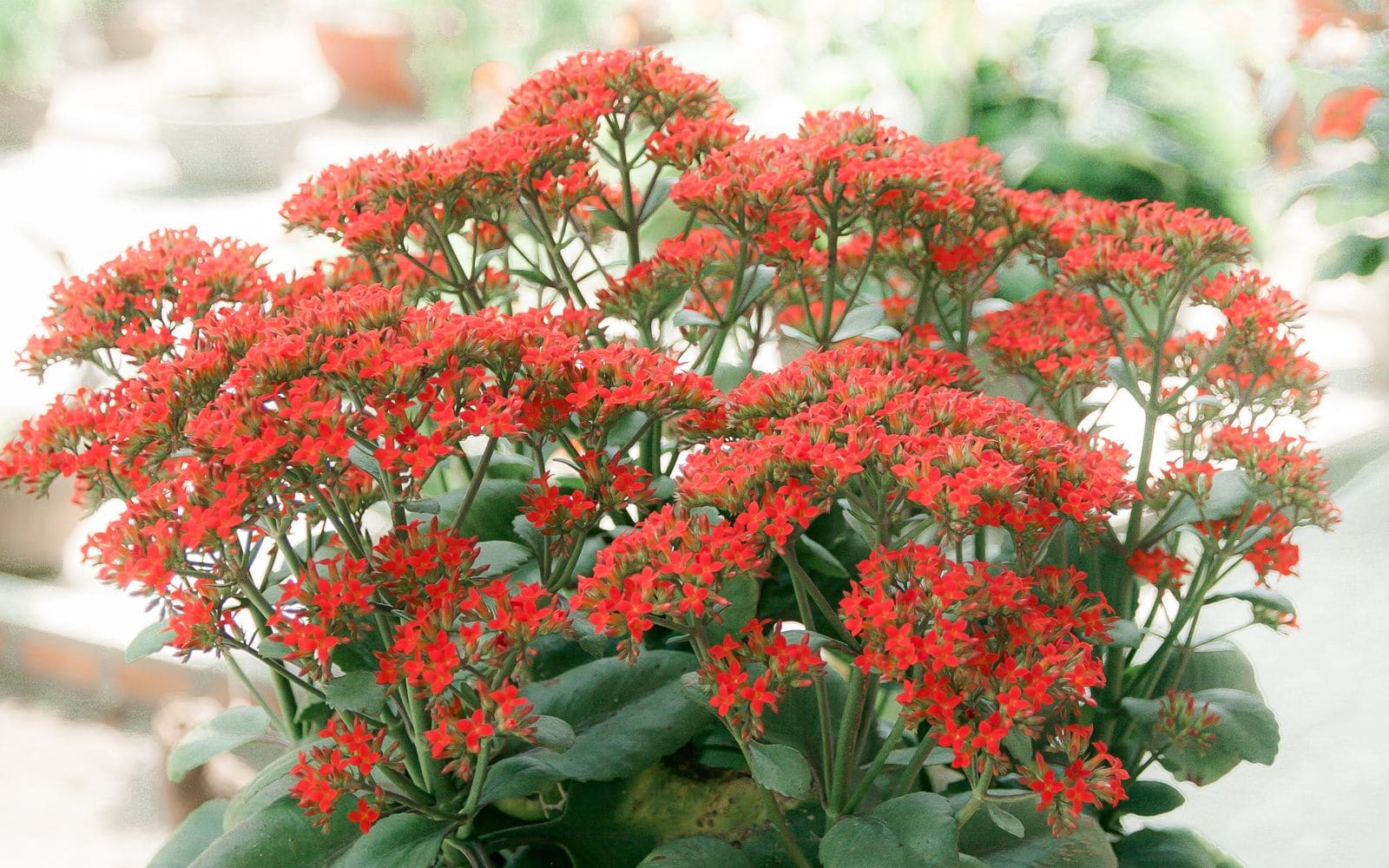
Kalanchoe blossfeldiana
Clusters of tiny red or pink flowers that last three to six weeks, sold all year. Toxic to pets, and the flowers hold the most.
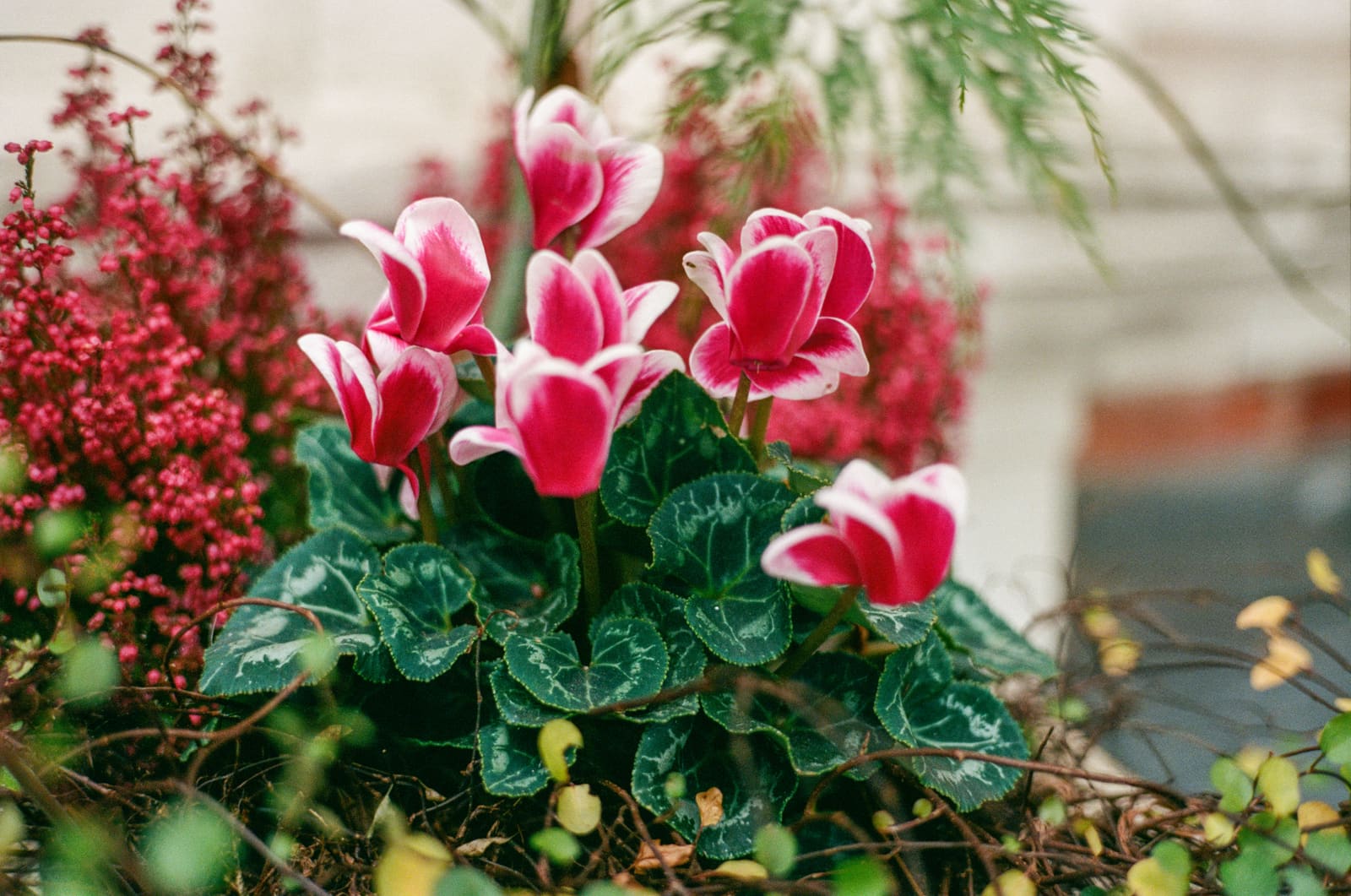
Cyclamen persicum
A winter bloomer in red, pink or white, sold from October through March. It wants a cool room, and it is toxic to pets, the tuber most of all.
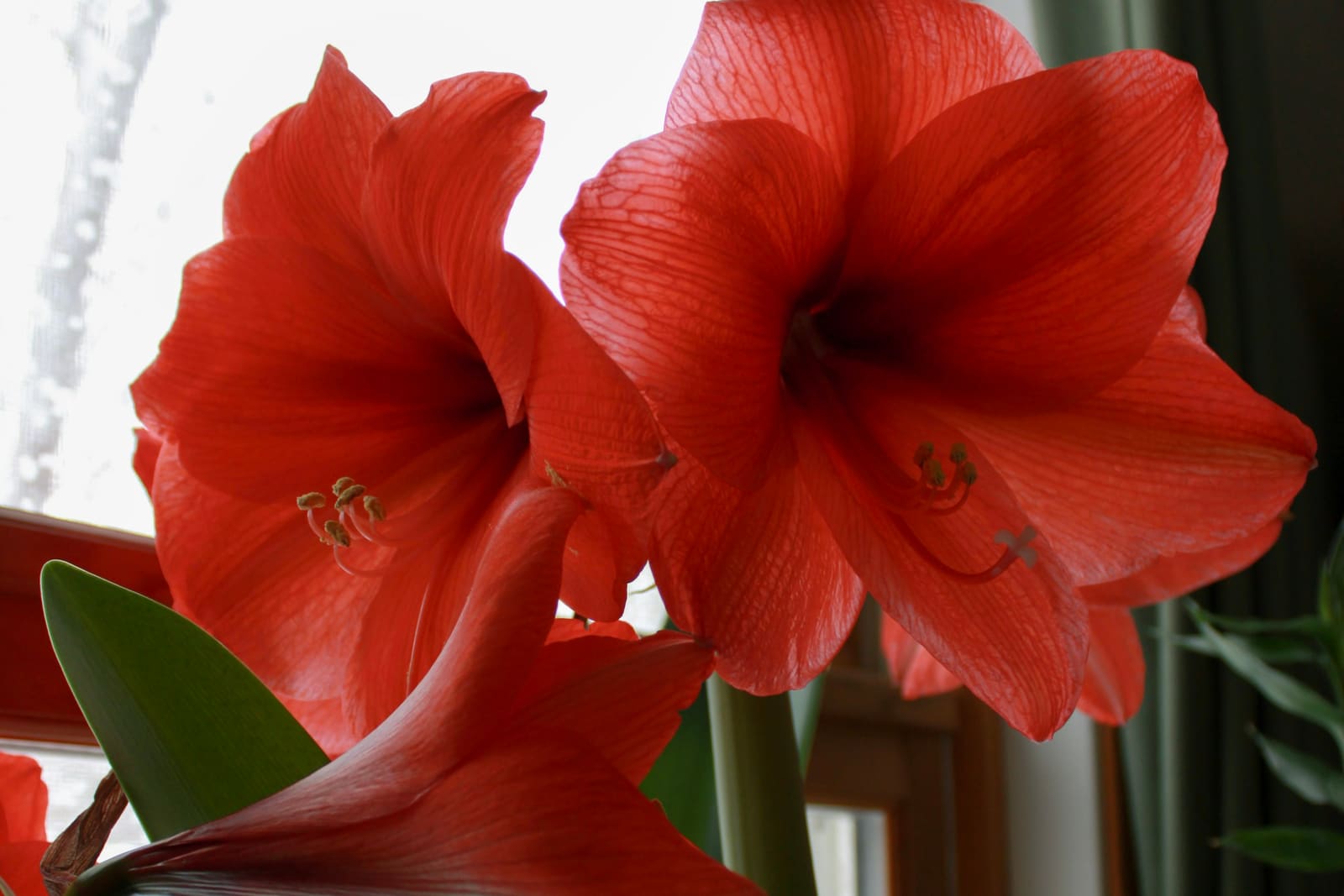
Hippeastrum hybrids (sold as amaryllis)
Huge flowers on a tall stem, and red is one of the most common colors. A bulb takes about 4 to 8 weeks to bloom, so give one already in bud. Toxic to pets, the bulb most of all.
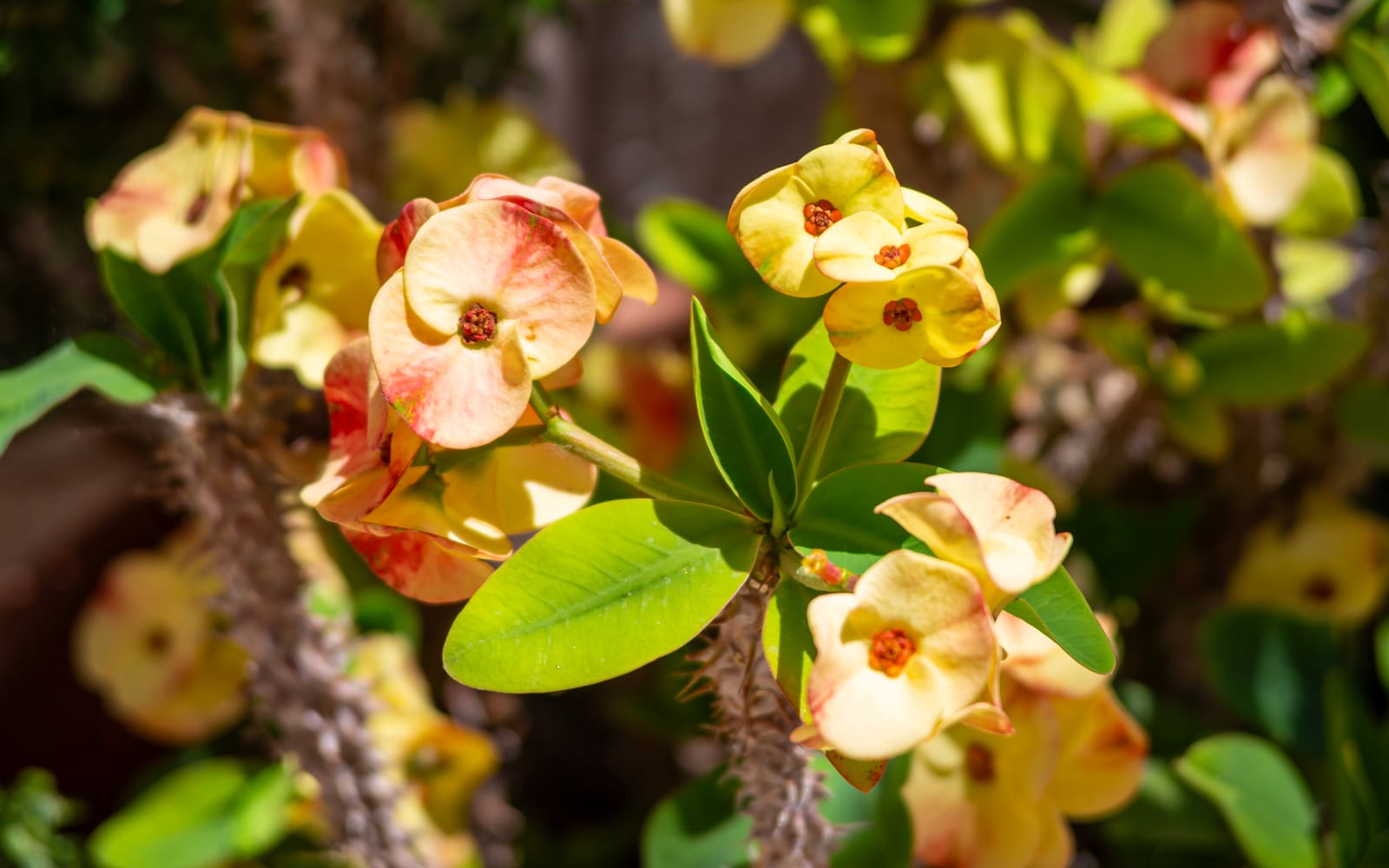
Euphorbia milii
A tough succulent with red or pink bracts that, as a houseplant, can bloom from late winter into fall. It needs your sunniest window, and its sap irritates skin and is mildly toxic to pets.
A few tips that work for any of them:
Keep the rose, lose the vase. A miniature rose is a real rose in a pot, and the University of Illinois Extension lists it as a Valentine's gift plant in red, pink and white. With a sunny window it keeps making buds, and after your last frost it can move outside (see how to care for it).
For a gardener. The long-stemmed florist rose is usually a hybrid tea rose, with one big bloom on each stem. The Royal Horticultural Society (RHS) points out that a potted garden rose in February looks like a set of thorny sticks, so think of it as a promise of summer flowers. Our rose overview explains the main types.
Flowers that last longer than a bouquet:
Heart-shaped leaves, no flowers needed. The RHS also suggests foliage plants with heart-shaped leaves, like hearts on a string and heart-leaf philodendron, which look good all year.
Lilies first. Both of the ASPCA's Valentine's Day safety posts warn that lilies can be deadly for cats. The ASPCA and the FDA explain that true lilies (Lilium, such as Asiatic, Easter, Oriental and Stargazer lilies) and daylilies (Hemerocallis) can cause severe kidney injury. A cat can be poisoned by a small bite of a leaf, by grooming pollen off its fur, or by drinking the vase water. Both say speed matters: when treatment is delayed by about 18 hours or more, the kidney damage is often permanent or fatal. In dogs, lilies usually cause only a mild upset stomach (FDA, ASPCA).
Common bouquet flowers and pets. Ratings from the ASPCA's plant list:
| Flower | Cats and dogs (ASPCA) | Good to know |
|---|---|---|
| Lily and daylily | Deadly to cats | Every part, pollen and vase water too (ASPCA, FDA) |
| Lily of the valley | Toxic | Can affect the heart in cats and dogs (ASPCA, FDA) |
| Tulip | Toxic | Upset stomach and drooling; the bulb holds the most |
| Chrysanthemum | Toxic | Vomiting, drooling, diarrhea |
| Carnation | Toxic | Mild stomach upset and skin irritation |
| Baby's breath | Non-toxic | The ASPCA notes it may still cause mild vomiting |
| Peruvian lily (alstroemeria) | Non-toxic | May cause a mild upset stomach; it isn't a true lily (ASPCA, FDA) |
| Gerbera daisy | Non-toxic | A safe swap for lilies |
| Rose | Non-toxic | The thorns are the risk |
The eight gift plants, and two you may already have. Ratings from each plant's care card:
| Plant | Cats and dogs | Source |
|---|---|---|
| Miniature rose | Safe | ASPCA |
| Moth orchid | Safe | ASPCA |
| African violet | Safe | ASPCA |
| Gerbera daisy | Safe | ASPCA |
| Christmas cactus | Safe | ASPCA |
| Poinsettia | Mildly toxic | ASPCA, which calls its danger generally overrated |
| Crown of thorns | Mildly toxic | NC State (the ASPCA list leaves it out) |
| Kalanchoe | Toxic | ASPCA; the flowers hold the most |
| Cyclamen | Toxic | ASPCA; the tuber holds the most |
| Amaryllis | Toxic | ASPCA; the bulb holds the most |
The ASPCA notes that eating any plant can upset a pet's stomach, even a safe one. For more on gift plants and pets, see our guide to holiday plants and pets.
That goes for cut roses and for potted ones like the miniature rose. Both of the ASPCA's Valentine's Day posts name thorns as the hazard and send readers to its plant list for the rest of a bouquet. If a pet seems hurt or unwell after chewing a stem, call your vet.
Roses in a bouquet often share the vase with other flowers, so check those too. Lilies are the ones to keep out of a home with cats (see the table above).
Indoors, until spring:
Outdoors, once frost has passed. Colorado State says a potted rose can go in the ground any time after your last killing frost. Move it outside slowly: a few days in shade first, then more sun each day (Iowa State, Colorado State, UF/IFAS). Iowa State says miniature roses are hardier than hybrid teas and can live in a garden bed. The miniature rose card has the zones and the rest of the care.
If you want to try anyway. New Mexico State University describes the method: pick a firm, healthy stem with 4 to 6 leaf joints, dip the cut end in rooting powder, plant it, and cover it with a clear bag to hold in moisture. Keep it in bright light out of direct sun. Roots, if they come, take one to two months, and the new plant needs to get used to normal air slowly.
Why it's hard. Iowa State says rose cuttings root best from partly woody stems taken in midsummer, a very different stage from a florist stem cut for its flower. Many modern roses are grafted onto another rose's roots (Iowa State), and NC State Extension notes that some varieties are patented, so check before you make new plants from one.
About one to two weeks with good care, depending on the variety. That's the range NC State and Penn State Extension give for cut flowers, and a University of Florida study found the best rose varieties lasted more than 12 days.
Recut the stems at an angle with a sharp knife or pruners every few days, use the flower food packet, and change the water when it turns cloudy (Iowa State, Penn State, UF/IFAS). Strip any leaves that would sit underwater, and keep the vase cool, out of direct sun and away from the fruit bowl (Iowa State, UF/IFAS, University of Georgia).
Much safer than for cats. The FDA and the ASPCA say lilies usually cause only a mild upset stomach in dogs. Lily of the valley is the exception: it's toxic to both cats and dogs and can affect the heart. Call your vet if your dog eats one.
Yes. Iowa State says miniature roses are hardier than hybrid teas and can grow in a garden bed, and NC State lists common varieties for zones 5 or 6 through 9 or 10. Move it out after your last frost, slowly.
Sunday, February 14, 2027. If you want an amaryllis in bloom by then, it needs about 4 to 8 weeks from potting, per the extension sources on our amaryllis card, so buy one already in bud.